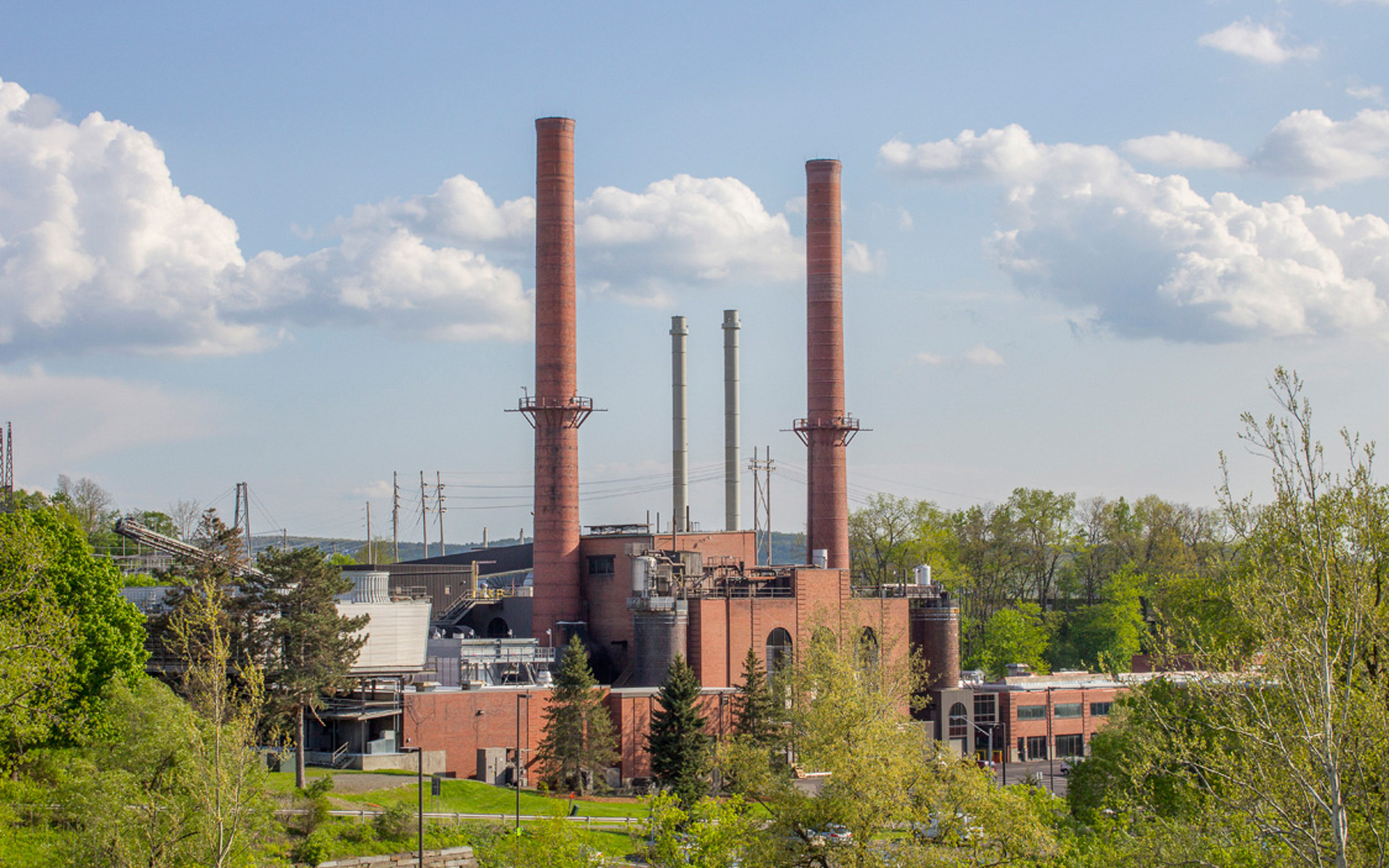
Based on an in-depth analysis of the 30-year development history of state-owned combined heat and power enterprises, I will systematically analyze the core value and replicability of this business model from three dimensions: management mode, cost control strategy, and investment value.
Core Characteristics of Management Mode and Investment Value
1. Management Transformation Value After State-Owned Enterprise Acquisition
State-owned combined heat and power enterprises have shown significant management upgrading characteristics after being acquired by state-owned enterprises. This transformation is mainly reflected in:
Governance Structure Optimization
: State-owned enterprise acquisitions have brought more standardized corporate governance structures and modern enterprise management systems. By establishing a sound internal control system and decision-making mechanism, the operational efficiency of enterprises has been significantly improved, laying an institutional foundation for long-term stable development.
Corporate Culture Remodeling
: Successful state-owned combined heat and power enterprises can often effectively integrate the responsibility of state-owned enterprises with the flexibility and efficiency of private enterprises, forming a mixed advantage of “state-owned enterprise + market-oriented operation”. This cultural integration enhances employee cohesion and execution, which is an important guarantee for sustained profitability.
2. Investment Insights from Professional Management Modes
Technology-Oriented Management
: Excellent combined heat and power enterprises generally adopt technology-driven management modes, emphasizing equipment renewal and process improvement. According to industry data, the power generation efficiency of combined heat and power systems using advanced technology can reach more than 85%, which is significantly higher than traditional power generation methods.
Full-Lifecycle Management
: The comprehensive management concept from equipment procurement, operation and maintenance to technical transformation ensures the maximization of asset value. This management mode effectively reduces equipment failure rates and maintenance costs, and improves asset return rates.
In-Depth Analysis of Cost Control Strategies
1. Refined Cost Control System
Application of “Activity-Based Costing” Model
: Industry-leading enterprises such as Guodian Power actively promote the “Activity-Based Costing” model, driving the transformation of cost control from “passive cost reduction” to “active efficiency improvement”. Through accurate calculation of costs in each operation link, resource allocation optimization is achieved.
Supply Chain Management Optimization
: Fuel costs are reduced through centralized procurement, long-term agreements, and strategic cooperation. Guodian Power’s comprehensive standard coal unit price for furnace input in 2024 decreased by 87.46 yuan per ton year-on-year, reflecting the significant effectiveness of supply chain management.
2. Cost Optimization Driven by Technology Upgrade
“Three Transformations Linkage” Technical Transformation
: Energy-saving transformation, heating transformation, and flexibility transformation of existing thermal power units have become industry standards. Enterprises such as State Power Investment Corporation have achieved continuous reduction in power supply coal consumption through technological upgrading, with power supply coal consumption controlled at an advanced level of 292.10 grams per kilowatt-hour in 2024.
Empowerment by Digital Transformation
: The application of Internet of Things, big data, and artificial intelligence technologies in equipment monitoring, fault early warning, and energy efficiency optimization has significantly reduced labor costs and unexpected shutdown losses.
Investment Value Evaluation
1. Industry Prospects and Market Space
The global combined heat and power market is in a period of rapid growth. The global market size reached 17.9 billion US dollars in 2024, and it is expected to grow to 30.38 billion US dollars by 2032, with a compound annual growth rate of 6.89% [5]. Europe dominates the global market with a 46.54% share, and the US market is expected to reach 7.25 billion US dollars by 2032 [5].
The Chinese market has huge potential, especially in industrial applications and district heating. Industrial parks, hospitals, schools, and other places with stable heat loads are ideal application scenarios.
2. Financial Performance and Profit Model
Stable Cash Flow Characteristics
: Combined heat and power enterprises have significant cash flow stability. Heating income usually accounts for a large proportion and the price is relatively stable. State Power Investment Corporation’s heat income accounted for 17.34% in 2024, providing a stable cash flow foundation.
Diversified Revenue Structure
: Through the “electricity + heat” coordinated operation mode, the diversification of income sources is realized. In the case of Datang International, the heating business not only contributes direct income but also improves the overall utilization efficiency of generator sets.
Replicability Analysis
1. Core Elements of Model Replication
Degree of Technical Standardization
: Combined heat and power technology is relatively mature, and the degree of equipment standardization is high, providing a technical foundation for model replication. Especially small and medium-sized units of 10-150MW have wide applicability in industrial parks and district heating.
Transplantability of Management Experience
: The management experience of successful enterprises has strong transplantability, including cost control systems, equipment maintenance processes, and safety management systems.
2. Challenges in Replication
Regional Market Differences
: There are significant differences in fuel prices, heat load density, and policy environments in different regions, requiring adjustments to the business model according to local conditions.
Initial Investment Threshold
: Combined heat and power projects require large initial investments and have high requirements for capital strength and financing capabilities, which is the main obstacle for small and medium-sized enterprises to enter.
Scarcity of Professional Talents
: Professional talents with combined heat and power operation and management experience are relatively scarce, and talent costs are high.
Investment Recommendations and Risk Warnings
1. Investment Value Judgment
Long-Term Investment Value
: Against the background of energy transition, efficient and clean combined heat and power technology has long-term investment value. Especially in the fields of industrial heating and district heating, the competitive advantage is obvious.
ESG Investment Alignment
: Combined heat and power is in line with the concepts of energy conservation, emission reduction, and sustainable development, and has additional premium space under the ESG investment trend.
2. Key Risk Factors
Policy Dependence Risk
: Changes in heating prices and subsidy policies may affect project returns, and attention should be paid to policy continuity risks.
Fuel Price Fluctuation
: Fluctuations in fuel prices such as coal and natural gas directly affect operating costs, and an effective risk hedging mechanism needs to be established.
Technology Substitution Risk
: With the development of new energy technologies, traditional combined heat and power is facing pressure from technology substitution, and continuous technological innovation is required.
Conclusion
The model of state-owned combined heat and power enterprises achieving profit growth through strict cost control and technological upgrading has strong replicability, but it needs to meet the following key conditions:
Sufficient Capital Strength
: The initial investment is large, requiring strong financial support;Professional Technical Team
: Having the ability to design, construct, and operate combined heat and power projects;Favorable Policy Environment
: Policy support from local governments and a stable heating market;Appropriate Market Positioning
: Choosing regional markets with stable heat loads and convenient fuel supply.
For investors, leading combined heat and power enterprises with state-owned enterprise backgrounds, strong technical strength, and standardized management have high investment value, but attention should be paid to core elements such as cost control capabilities, technical level, and market competitiveness.
References
[0] Jinling API Data
[5] Fortune Business Insights - “Combined Heat and Power (CHP) Market Size, Forecast, 2032” (https://www.fortunebusinessinsights.com/zh/combined-heat-and-power-chp-market-104958)
[6] Guojin Securities - “Increased Attention to Hydrogen Energy at the Top Level: Suggestions to Seize the Window Period for Layout” (https://hk.investing.com/news/stock-market-news/article-1231428)