
Overcoming Evolutionary Biases: Shifting to Data-Driven Rational Investment Strategies
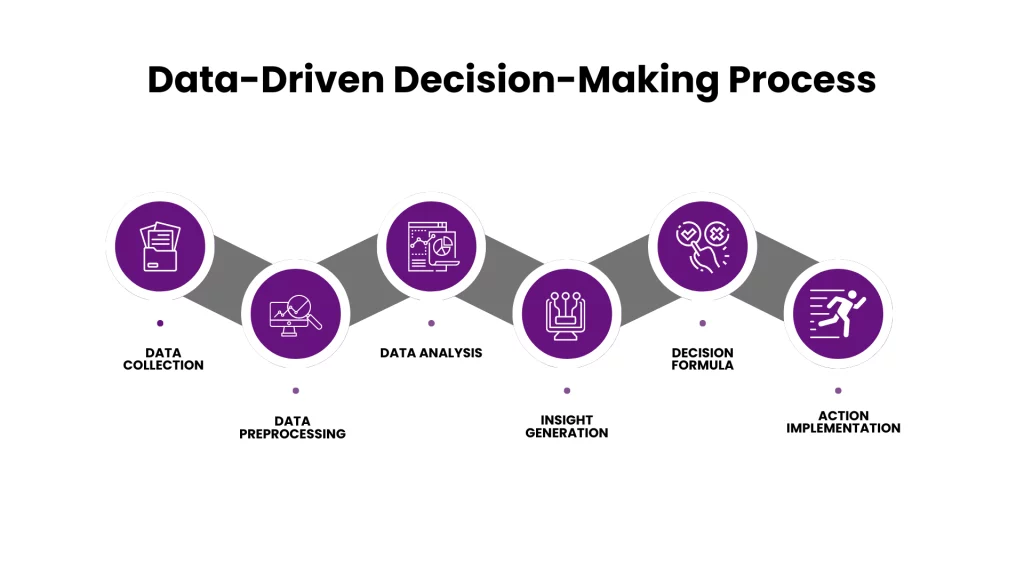
The gossip preference formed during human evolution is indeed a major obstacle to rational investment. Millions of years of evolution have made our brains more inclined to believe simple, rapidly spreading information—this was beneficial for survival and collaboration in primitive environments, but often leads to wrong decisions in modern complex markets.
Human ancestors lived in an environment with scarce information; making group decisions quickly was more beneficial for survival than analyzing data slowly. As a low-cost, high-efficiency way of information dissemination, gossip became an important part of human cognitive patterns. Although this “heuristic thinking” is efficient, it is also prone to systematic biases.
In capital markets, this evolutionary bias manifests as:
- Avoidance of complex data: Investors often refuse to delve into financial statements and announcement data
- Preference for simple stories: Easily attracted by simple narratives like “insider information” or “industry disruption”
- Herd behavior: Following mainstream market views, lacking independent thinking
- Confirmation bias: Only seeking information that supports one’s own views
- Formulate clear investment standards and quantitative indicators
- Establish mandatory due diligence processes
- Set specific trigger conditions for buying/selling
- Treat financial statement analysis as the foundation of investment decisions
- Value official announcements and regulatory documents
- Establish multi-dimensional data verification mechanisms
- Learn behavioral finance theories and recognize common cognitive biases
- Regularly reflect on the investment decision-making process
- Establish a “decision log” to record thinking processes and results
- Prioritize official information disclosure platforms
- Establish an evaluation system for reliable information sources
- Maintain high vigilance against “insider information”
- When the market is unanimously bullish, look for risk points
- When the market panics and sells off, focus on value opportunities
- Regularly question one’s own investment logic
- Regularly review investment performance
- Analyze the root causes of successful and failed decisions
- Accept challenges from external independent opinions
- Use data analysis software to process financial information
- Establish quantitative screening models
- Use algorithms to reduce human emotional interference
Overcoming evolutionary biases is not an overnight process; it requires continuous self-training and institutional constraints. Successful investors are often those who can recognize their own cognitive limitations and establish systematic methods to make up for these shortcomings.
The essence of rational investment is not to completely exclude intuition, but to find a balance between intuition and data analysis. Through continuous practice and reflection, investors can gradually cultivate more rational and objective investment decision-making abilities.
If you want to know about specific stock analysis, company financial data, or market indicators, I am happy to provide you with detailed data-based analysis.
Insights are generated using AI models and historical data for informational purposes only. They do not constitute investment advice or recommendations. Past performance is not indicative of future results.