
Analysis: Barron's Argument That Stock Market's Fed Fixation Is Misplaced Amid Mixed December 16 Market Performance
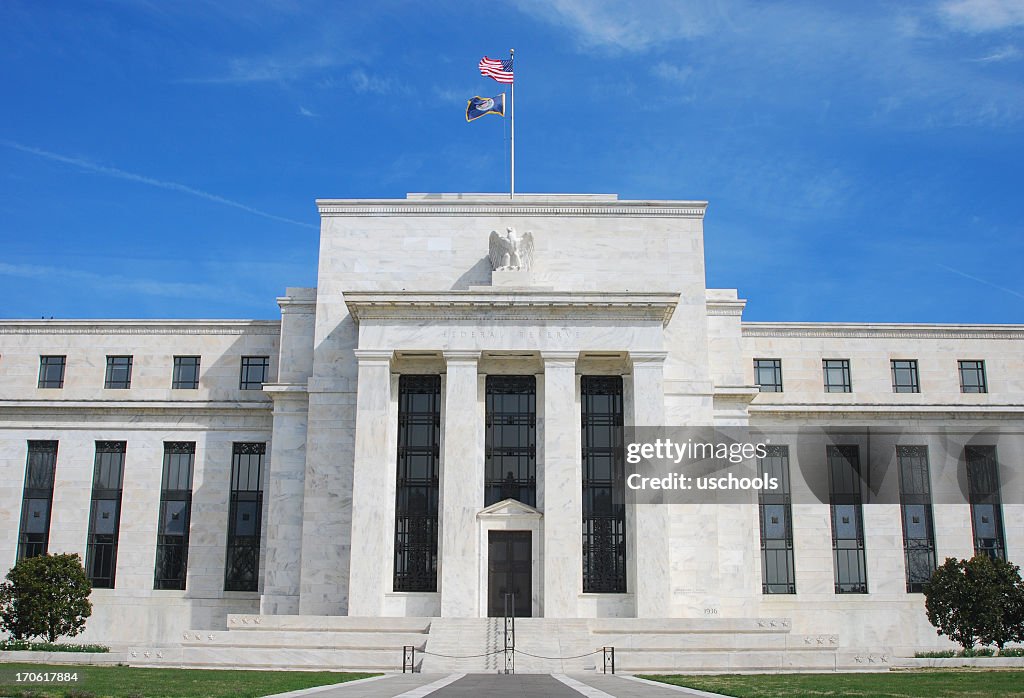
On December 16, 2025, Barron’s published an article arguing that the stock market’s fixation on Federal Reserve (Fed) interest rate decisions is misplaced, claiming policymakers have investors’ backs [1]. This event unfolded against recent key market context: the Fed held a contentious meeting the prior week, where it cut rates by a quarter percentage point amid several dissenters [2]. Later that day (December 16), November jobs data was released, showing rising unemployment, which briefly increased market odds of a January Fed rate cut—though most investors still expected a policy pause [3]. The immediate market reaction on December 16 was mixed: the S&P 500 edged down 0.02%, the NASDAQ Composite gained 0.56%, and the Dow Jones Industrial Average declined 0.44% [0]. Sector performance was also split, with utilities (+2.11%) and basic materials (+1.10%) leading gains, while energy (-0.88%) and healthcare (-0.31%) lagged [0]. This mixed performance underscores the ongoing market sensitivity to Fed policy signals, despite the Barron’s article’s thesis that such fixation is overstated.
The Barron’s article’s claim that the Fed supports investors contrasts with the market’s mixed reaction on the day of publication, highlighting the tension between the article’s optimistic narrative and prevailing investor uncertainty around Fed policy direction. The contentious Fed meeting (with dissenters) reveals internal divisions within the central bank, which could lead to unpredictable future rate decisions—undermining the article’s assumption that policymakers will consistently act in investors’ favor. Additionally, the November jobs data showing rising unemployment introduces the risk that broader economic weakness could overshadow Fed policy as a market driver, regardless of rate moves.
Major risks identified include:
- Potential misalignment between Fed policy actions and investor expectations—if the Fed fails to deliver additional rate cuts or reverses course, the Barron’s thesis could be invalidated, leading to market volatility [0].
- Internal Fed divisions, which may result in inconsistent policy communication or decisions, increasing market uncertainty [2].
- Rising unemployment signaling underlying economic weakness, which could weigh on corporate earnings and market performance independently of Fed policy [3].
No clear near-term opportunities were explicitly identified in the available data, though the utilities sector’s strong performance on December 16 suggests potential investor rotation into defensive assets amid uncertainty [0].
This analysis synthesizes a Barron’s article arguing the stock market’s Fed fixation is misplaced, recent Fed policy context (a contentious rate cut meeting with dissenters), November jobs data showing rising unemployment, and the December 16 mixed market performance. The analysis identifies tensions between the article’s optimistic claims and ongoing market uncertainty, as well as key risks from potential Fed policy misalignment, internal divisions, and economic weakness. No prescriptive investment recommendations are provided.
Insights are generated using AI models and historical data for informational purposes only. They do not constitute investment advice or recommendations. Past performance is not indicative of future results.