
In-depth Analysis of Moutai's Pricing Strategy Sustainability: Traditional Luxury vs. Gen Z Consumption Revolution
Related Stocks
Moutai, as the absolute leader in China’s baijiu industry, still has strong financial performance. According to the latest data, Moutai achieved operating revenue of 128.454 billion yuan in the first three quarters of 2025, accounting for 40.42% of the total revenue of 20 listed baijiu companies; its net profit share reached 52.73% [1]. Its core financial indicators are excellent: ROE is as high as 36.48%, net profit margin 51.51%, operating margin 71.37%, current ratio 6.62, showing extremely strong profitability and financial security [0].
However,

Moutai’s success is built on a complex business operation system, with its core being
For a long time, Moutai maintained a ‘tight balance’ in the market through planned distribution and a complex dealer system. However, in recent years, Moutai has increased direct sales channel construction and volume release. When the supply side is no longer monolithic and the demand side shows weakness,
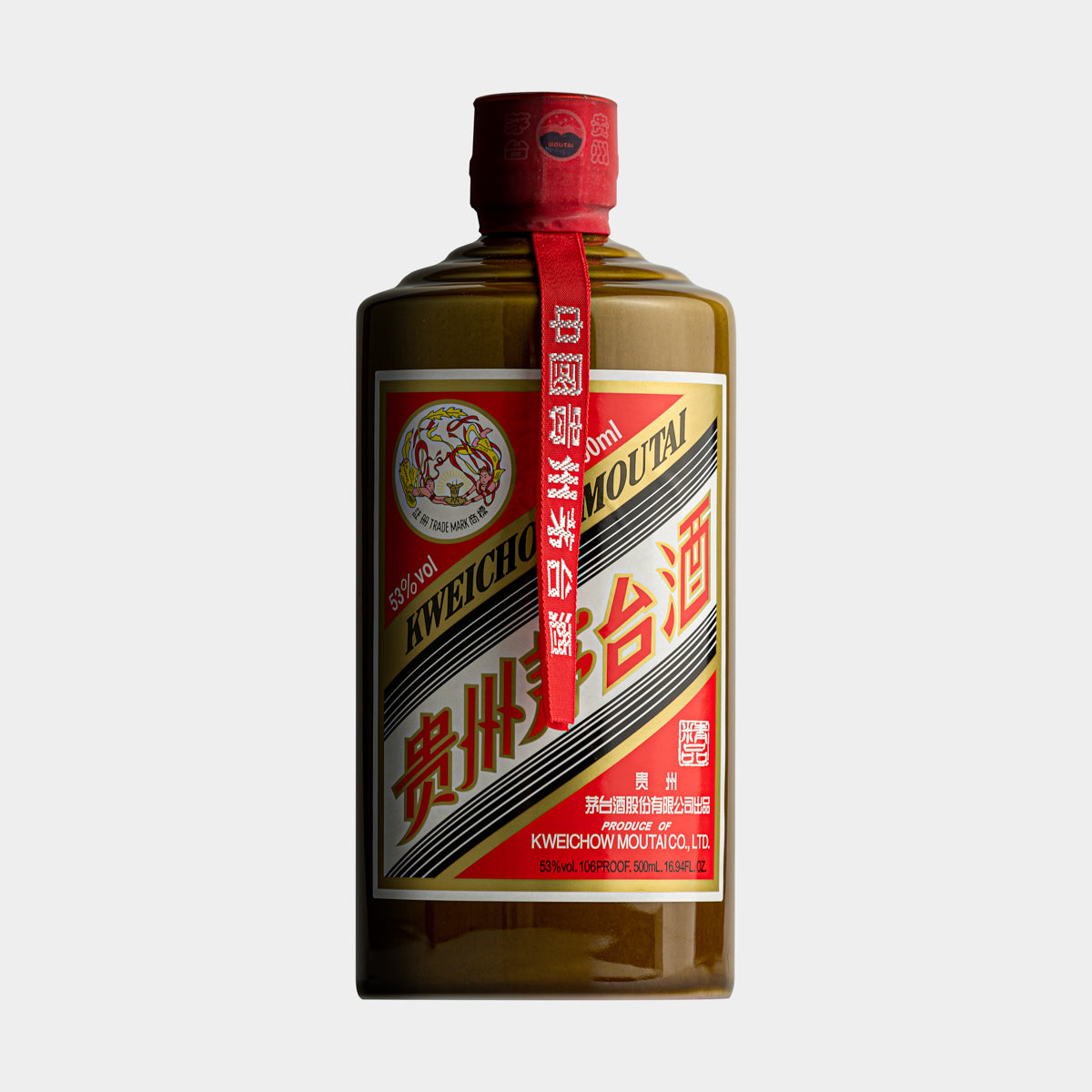
Data shows that in December 2025, the wholesale reference price of Feitian Moutai continued to fall, with original cases quoted at 1550 yuan/bottle and loose bottles at 1545 yuan/bottle [1]. More crucially, the price inversion phenomenon in high-end baijiu ‘not only weakens channel enthusiasm but also shakes the market belief that “Moutai only rises and never falls”’ [1].
Consumption data shows that baijiu consumers are mainly concentrated in the over-40 group, while young consumers prefer low-alcohol drinks such as wine [1]. Gen Z’s acceptance of baijiu is significantly lower: only 5% of the 18-25 age group consume baijiu, while the over-55 group accounts for 25% of traditional baijiu consumers.
Facing this challenge, Moutai has tried to launch cross-border products such as ice cream, chocolate, coffee, and promote relatively younger product lines like ‘Moutai 1935’ in recent years [3]. However, analysis suggests that ‘relying on a few cross-border internet-famous products is probably not enough to accomplish this task’ [3].
Moutai is advancing channel reforms, pushing the ‘i Moutai’ direct sales platform to reshape the channel structure. But this is a
More importantly, as manufacturers increasingly face the market directly, they must bear the market fluctuation risks that were previously buffered by channels. ‘How to manage the increased supply without impacting market confidence is a difficult problem Moutai must solve’ [3].
Moutai’s core advantages are hard to撼动 in the short term:
- Process Barrier: The century-old ‘12987’ brewing process, with pure and rich sauce flavor and layered taste. This non-replicable process ensures the uniqueness of its quality.
- Brand Awareness: Often appearing in important occasions, highlighting taste and culture, with strong pricing power.
- Scarcity: Due to brand scarcity and stable market demand, Moutai is often regarded as an investment product for value preservation and appreciation.
However, the brand is not permanent. With social development and generational change, the taste preferences, brand awareness, and consumption habits of the younger generation are changing. Whether Moutai’s attractiveness can continue has been questioned [3].
Moutai needs to fully embrace young consumer groups from three dimensions: product innovation, scenario innovation, and cultural innovation. Relying only on cross-border products is not enough; it needs:
- Develop products that truly meet young people’s tastes (lower alcohol content, taste innovation)
- Create new consumption scenarios (light drinking, socializing, gatherings)
- Retell the brand story in a way that young people can accept.
While increasing direct sales and strengthening control, stabilize the traditional dealer team to avoid channel conflicts and concentrated outbreaks of inventory risks. This requires extremely high management wisdom and market regulation capabilities [3].
Moutai needs to rethink its financial attributes. Abandoning financial attributes completely may lead to value revaluation, but over-reliance on financial attributes exposes it to market fluctuation risks. Finding a balance is crucial.
Moutai is still China’s strongest consumer brand, and its process, quality, and brand power are unmatched in the short term. But true long-termism is not lying on the ‘national wine’ aura to harvest dividends, but actively embracing changes and entering the lives of the new generation [1].
- Short-term: Relying on existing brand advantages and channel control, financial performance will remain stable
- Medium-term: Facing growth stall and market share challenges, need to stabilize the core business through product innovation and channel reforms
- Long-term: Whether it can successfully cross the intergenerational gap will determine whether it can maintain its industry leadership position
This winter is not the end, but a necessary path for the industry to transition from extensive growth to high-quality development. Enterprises that can complete this transformation first will take the lead in the next cycle and lead Chinese baijiu toward a healthier and more sustainable future [1].
For investors, Moutai’s investment logic is shifting from ‘a financial asset that never falls’ to ‘a traditional consumer goods giant that needs active transformation’, which means the valuation system and risk assessment framework need to be adjusted accordingly.
[0] Jinling API Data - Moutai Real-time Quotes, Financial Indicators, and Price Data
[1] Winter Has Arrived: Moutai, Luzhou Laojiao, Fenjiu - Who Can Truly Cross the Cycle? - Finance Channel (http://mp.cnfol.com/49592/article/1765282983-142158549.html)
[2] Beneath Moutai: Another Baijiu World - Huxiu.com (https://m.huxiu.com/article/4817043.html)
[3] Moutai Drops Again - 36Kr (https://m.36kr.com/p/3257062501429765)
Insights are generated using AI models and historical data for informational purposes only. They do not constitute investment advice or recommendations. Past performance is not indicative of future results.