
Analysis of Delayed 2025 U.S. Jobs Report and Market Impact
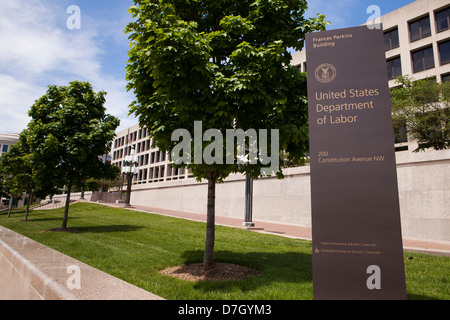
This analysis is based on the delayed U.S. jobs reports for October and November 2025, released on December 16, 2025, after a 43-day government shutdown disrupted data collection [1][2]. The report revealed a significant October job loss of 105,000 (largely due to 162,000 federal worker departures under Trump administration cutbacks) and a modest November gain of 64,000 jobs, which exceeded economist forecasts (40,000) but remained sluggish compared to historical norms. The unemployment rate rose to 4.6%, its highest level in over four years [1][2][3].
The market reacted negatively to the report, with the S&P 500 (-0.47%), NASDAQ Composite (-0.07%), and Dow Jones Industrial (-0.84%) all declining [0]. Defensive sectors like Utilities (+1.55%) and Communication Services (+0.54%) outperformed as investors sought safer assets, while Energy (-1.39%) and Healthcare (-0.93%) underperformed—likely due to tariff concerns (Energy) and regulatory uncertainty (Healthcare) [0].
Key drivers of the labor market weakness include: (1) business reluctance to hire amid policy uncertainty from President Trump’s double-digit import taxes [2]; (2) ambiguity around AI adoption and its impact on workforce needs; and (3) the federal worker cutbacks in October [1]. The government shutdown also highlighted the vulnerability of economic data to political disputes, creating additional uncertainty for businesses and investors [2].
- Policy and Uncertainty Linkage: The correlation between Trump’s import tax policies, business hiring caution, and rising unemployment suggests that policy volatility is a primary drag on the labor market [2].
- Defensive Sector Flight: The outperformance of Utilities and Communication Services indicates a shift to defensive assets amid growing economic concerns, which could persist if labor market weakness continues [0].
- Data Reliability Risks: The 43-day shutdown delayed multiple economic reports, emphasizing the risk of incomplete or delayed data for decision-making [1][2].
- Fed Policy Implications: With three rate cuts already in 2025, the weak jobs report and rising unemployment may influence further Fed action to support economic growth [4].
- Rising Unemployment: The 4.6% unemployment rate (4-year high) could reduce consumer spending, a critical driver of U.S. economic growth [0].
- Policy Uncertainty: Trump’s unpredictable policies, including import taxes, may continue to suppress business confidence and hiring [2].
- Data Vulnerability: Future government shutdowns or data collection disruptions could hinder informed decision-making for businesses and investors [1][2].
- Defensive Sector Exposure: Investors may find opportunities in defensive sectors (Utilities, Communication Services) amid market uncertainty [0].
- AI Adaptation: Companies that effectively navigate AI adoption and workforce transition may gain a competitive advantage in the long term, although specific data on AI’s impact is limited [2].
The delayed 2025 U.S. jobs reports show a mixed but generally weak labor market, with October job losses followed by modest November gains and a rising unemployment rate. The market reacted negatively, with defensive sectors outperforming. Key factors include policy uncertainty, AI adoption concerns, and federal worker cutbacks. Decision-makers should monitor future jobs reports, Fed rate decisions, policy developments (tariffs, AI regulation), and consumer confidence to assess economic momentum. The government shutdown highlighted the vulnerability of economic data to political disputes, underscoring the need for robust contingency planning around data availability.
Insights are generated using AI models and historical data for informational purposes only. They do not constitute investment advice or recommendations. Past performance is not indicative of future results.