
November 2025 BLS Jobs Report: Mixed Signals and Market Impact Amid Fed Uncertainty
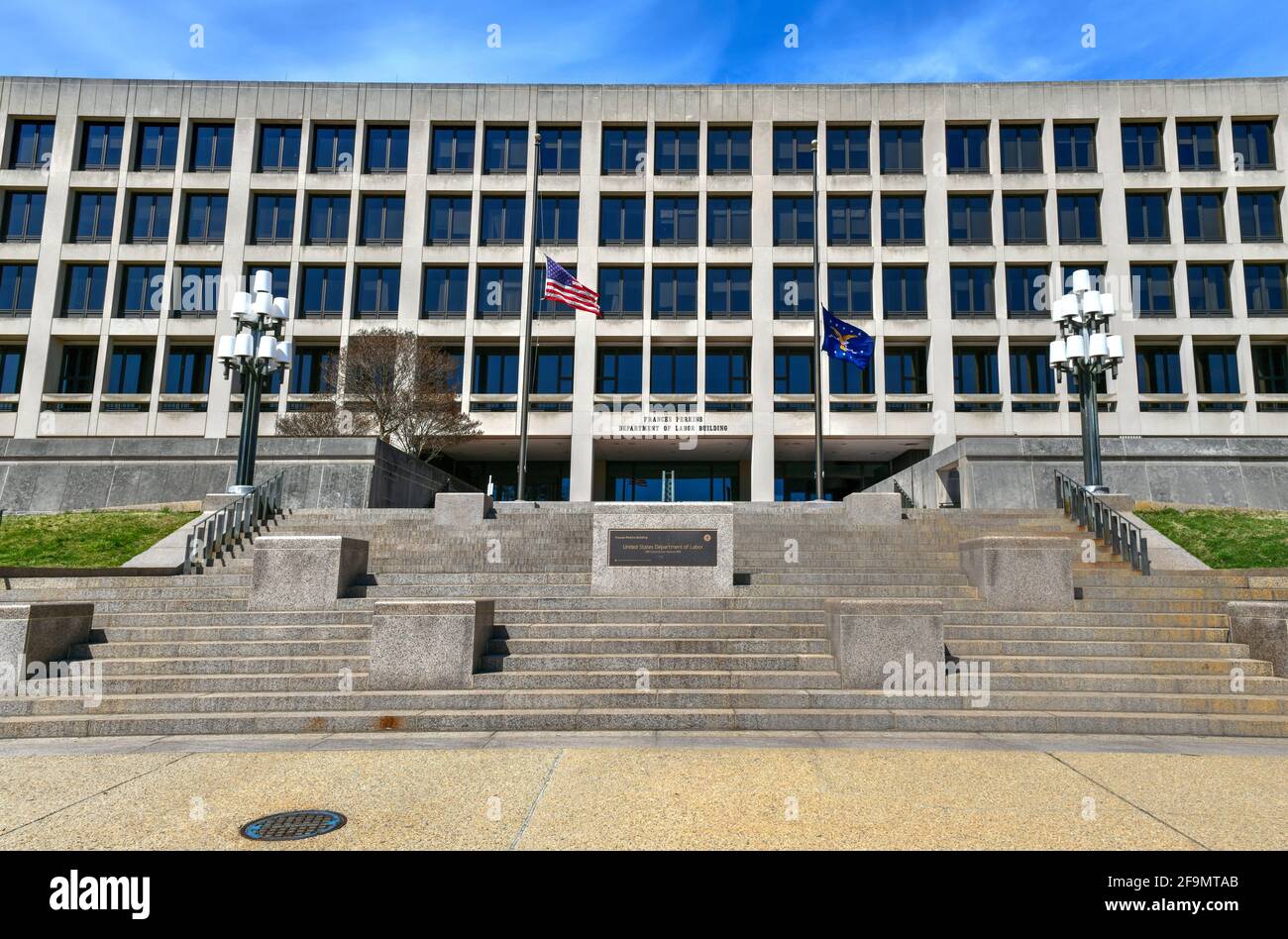
This analysis is based on the Forbes article [1] published on December 16, 2025, which reported the delayed release of the November 2025 BLS jobs report due to a federal government shutdown. The BLS combined October and November data [0], resulting in nonfarm payrolls of 64k (a slight beat of the 50k consensus but still a weak figure) [0]. The unemployment rate rose to 4.6%, a four-year high [0], while wage growth remained steady at 3.5% year-over-year and the average workweek increased by 0.1 hours [0].
Market reactions were mixed: the S&P 500 fell 0.23%, the Dow Jones Industrial Average dropped 0.38%, and the NASDAQ stayed flat (up 0.03%) [0]. Sector performance showed defensive utilities leading gains at 0.89%, while energy lagged with a 1.81% decline; technology posted a modest 0.48% increase [0]. The shutdown-induced data combination complicates the Federal Reserve’s ability to assess underlying labor market trends, leaving their rate decision outlook unclear [0].
- Mixed Labor Data Creates Fed Uncertainty: The combination of a slight payroll beat, rising unemployment, and steady wage growth provides conflicting signals about economic health, making it difficult for the Fed to determine the timing or direction of future rate changes [0].
- Defensive Sector Strength Reflects Market Caution: The outperformance of utilities (a defensive sector) suggests investors are shifting towards stability amid weak labor market indicators [0].
- Tech Sector Resilience: Despite overall market weakness, technology’s modest gain indicates ongoing investor confidence in the sector’s growth potential, potentially due to its relative insulation from cyclical economic trends [0].
- Prolonged Fed policy uncertainty could increase market volatility as investors adjust to conflicting signals [0].
- A rising unemployment rate and weak payroll growth may signal an impending economic slowdown, which could negatively impact cyclical sectors like energy [0].
- Defensive sectors such as utilities may continue to offer stability for risk-averse investors [0].
- Steady wage growth could support consumer spending, potentially benefiting consumer discretionary and retail sectors [0].
The November 2025 BLS jobs report, delayed and combined with October data due to a government shutdown, presented mixed labor market signals. Nonfarm payrolls slightly exceeded expectations but remained weak, unemployment reached a four-year high, and wage growth stayed steady. Markets reacted with modest declines in the S&P 500 and Dow, while the NASDAQ was flat. Defensive sectors outperformed, and energy lagged. The report failed to clarify the Federal Reserve’s policy path, creating ongoing uncertainty for investors and policymakers. This analysis provides objective context for understanding the report’s implications without making specific investment recommendations.
Insights are generated using AI models and historical data for informational purposes only. They do not constitute investment advice or recommendations. Past performance is not indicative of future results.