
Analysis of Sino-US Tech Competition and Investment Opportunities Under Jensen Huang's AI 'Five-Layer Cake' Framework
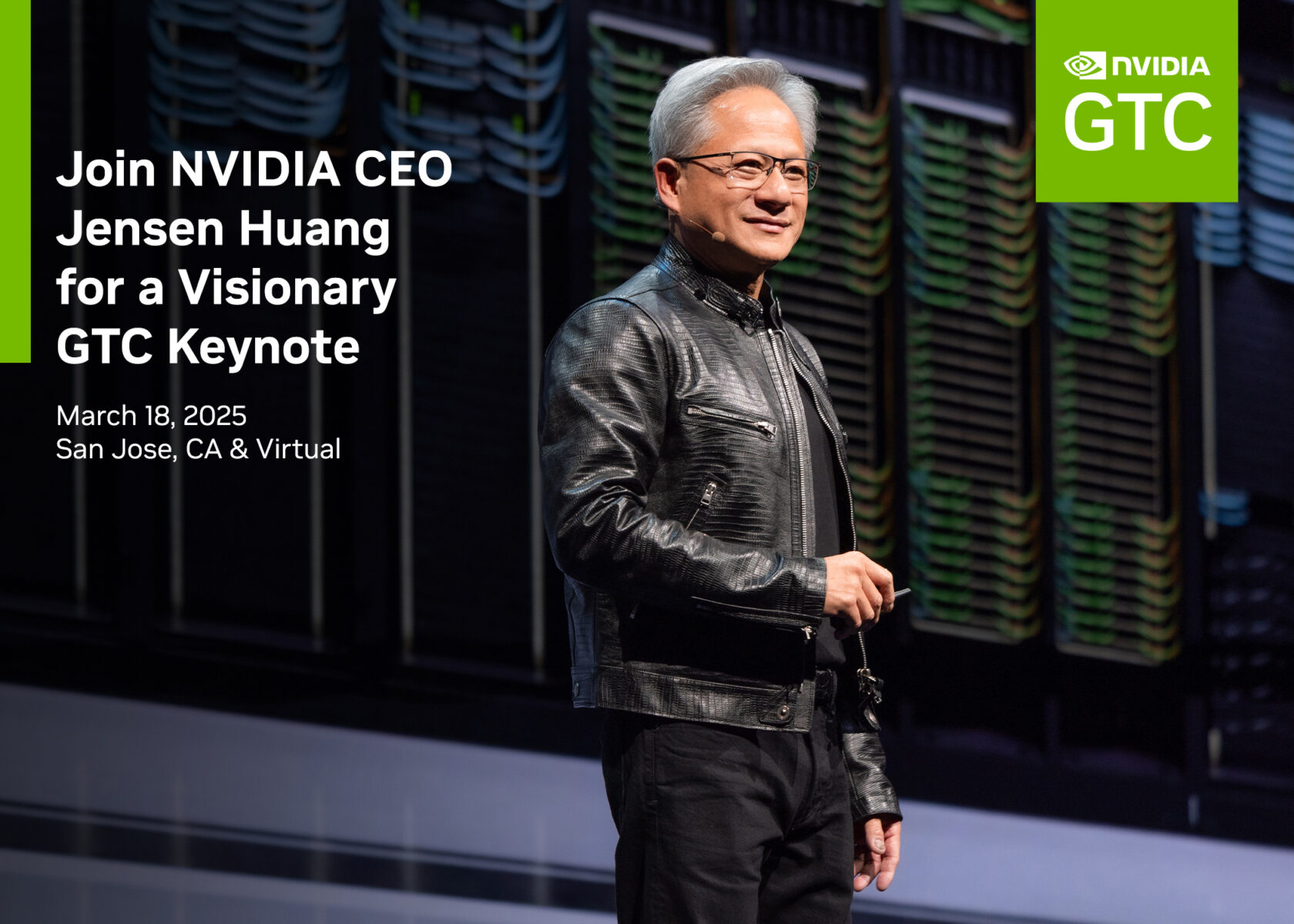
The AI ‘Five-Layer Cake’ framework proposed by Nvidia CEO Jensen Huang divides the artificial intelligence industry into five key layers:

- Has the world’s largest power grid, which expanded significantly from 2010 to 2024[3]
- Significant advantage in electricity costs, providing basic support for large-scale AI training
- Leading in clean energy investment, aligning with ESG investment trends
- New energy power generation enterprises
- Energy storage technology and smart grid solution providers
- Energy management systems for data centers
- Maintains leadership in advanced process technologies, such as 3nm and 2nm processes
- Globally leading in GPU and AI accelerator design capabilities; Nvidia’s current market capitalization reaches $4.28 trillion[0]
- Complete chip ecosystem, with full-chain advantages from design to manufacturing
- Restricted access to high-end chips due to US export controls[2]
- Domestic substitution process accelerating, investment opportunities focus on:
- Foundry enterprises like SMIC
- Chip design companies like HiSilicon and Cambricon
- Semiconductor equipment and material suppliers
- China leads the world in 5G network coverage
- China has faster data center construction speed, but the US has advantages in technology and energy efficiency
- AWS, Azure, and Google Cloud still dominate the cloud computing market
- Cloud computing service providers (Alibaba Cloud, Tencent Cloud, etc.)
- Data center REITs
- Network equipment and optical fiber manufacturers
- Leading in cutting-edge large model research and development, such as GPT series and Claude
- Huge R&D investment, obvious talent agglomeration effect
- Close integration of academic research and industry
- Active open-source ecosystem, with increasing contribution
- Outstanding performance in vertical domain models
- Obvious advantage in Chinese corpus

- Large user base and rich application scenarios
- Fast commercialization speed and strong policy support
- Perfect digital infrastructure such as mobile payment and e-commerce
- Intelligent manufacturing and industrial internet
- Smart cities and traffic management
- Fintech and digital currency
- Medical AI and precision medicine
Jensen Huang recently met with President Trump to discuss chip export control issues[2]. The US government has adopted a ‘precision strike’ strategy in AI export controls, trying to curb China’s AI development while protecting US enterprise interests. The strategic considerations behind this ‘calculation’ are:
- Maintain technological generation gap advantage
- Control key supply chain nodes
- Safeguard national security and economic interests
Facing US technology blockades, China has adopted a multi-pronged response strategy:
- Increase investment in independent R&D
- Build alternative technology ecosystems
- Strengthen technical cooperation with other countries
- Leverage market scale advantages
- Application layer enterprises: Benefit from large domestic market and rapid commercialization
- Domestic substitution concept: Semiconductor equipment and material suppliers
- Computing power leasing services: Data center and cloud computing service providers
- Vertical domain AI: Professional AI solutions for industries like healthcare, education, and manufacturing
- Open-source ecosystem enterprises: Commercial companies based on open-source models
- Edge computing: Technical solutions that reduce reliance on cloud computing power
- Next-generation chip technologies: Disruptive technologies like quantum computing and photonic chips
- New energy and energy storage: Clean energy solutions supporting large-scale AI computing
- AI infrastructure: Next-generation data centers and communication networks
- Geopolitical risk: Changes in Sino-US relations may affect technical cooperation and market access
- Technology route risk: Rapid development of AI technology may lead to obsolescence of existing investments
- Regulatory policy risk: AI regulatory policies are continuously strengthened in various countries
- Valuation risk: Some AI concept stocks are overvalued, with correction pressure
Jensen Huang’s AI five-layer framework clearly shows the competitive landscape between China and the US in the AI field:
In this competitive landscape, investors should:
- Focus on the differentiated advantages of China and the US across layers, avoiding a ‘one-size-fits-all’ investment approach
- Attach importance to domestic substitution opportunities, especially in chips and key technology areas
- Leverage China’s market scale advantage, focusing on investment opportunities in the application layer
- Balance short-term returns and long-term layout, building a diversified AI investment portfolio
At the same time, attention should be paid to preventing geopolitical and technology route risks, maintaining flexibility and adaptability in investments.
[0] 金灵AI数据 - 英伟达公司财务数据和市场表现
[1] Forbes - “The AI Cold War And The Race For Sovereign AI” (2025)
[2] CNBC - “Nvidia’s Jensen Huang talks chip controls with Trump, hits regulation” (2025)
[3] 华尔街日报 - “在内蒙古目睹中国竞逐AI赛道的另一张王牌:全球最大电网” (2025)
[4] Bloomberg - “Chinese Economy Shows Strength With EVs, Rare Earths, Robots” (2025)
Insights are generated using AI models and historical data for informational purposes only. They do not constitute investment advice or recommendations. Past performance is not indicative of future results.