
Analysis of Medium- and Long-Term Investment Value and Asset Allocation Strategy in China's Real Estate Market
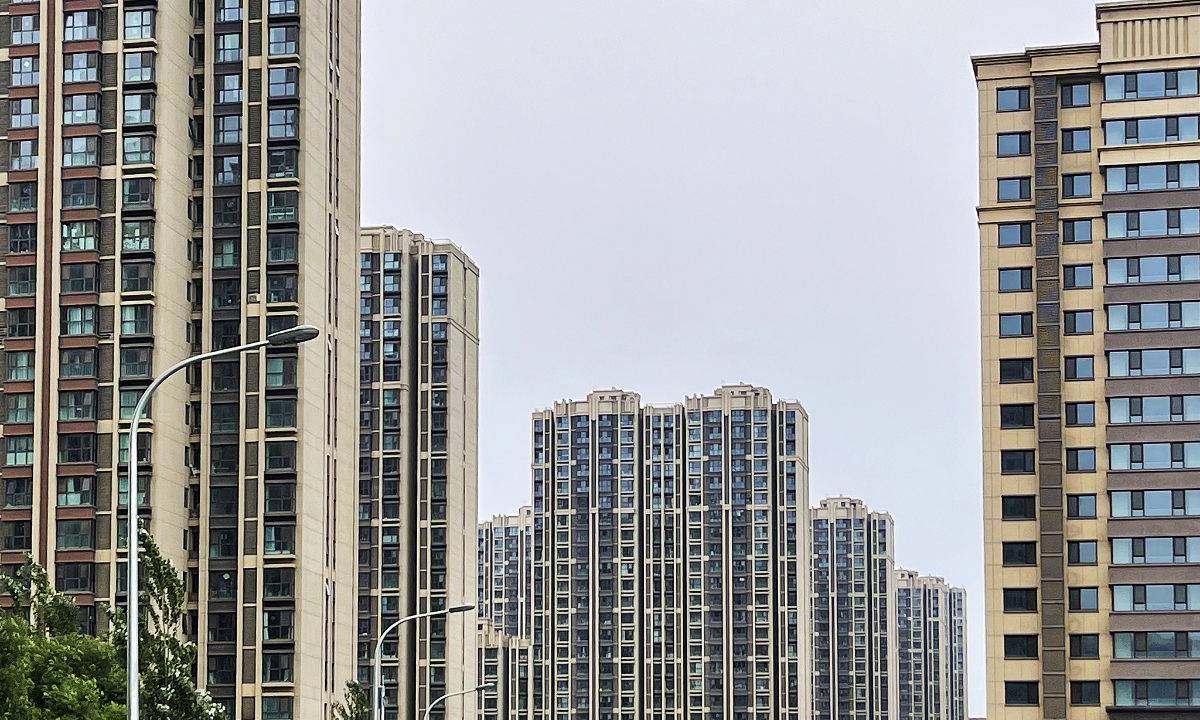
Based on the latest market data and analysis, I will evaluate the medium- and long-term investment value of China’s real estate market from a professional perspective and discuss asset allocation strategies.
Since the 2021 peak, first-tier city housing prices have seen significant corrections:
- Shenzhen: down about 32%, the most severe adjustment
- Shanghai: down about 28%
- Beijing: down about 25%
- Guangzhou: down about 22%
This magnitude of adjustment has indeed digested the previous bubble to some extent, and valuations have returned to a more reasonable level.
- Beijing: 1.8%
- Shanghai: 2.1%
- Shenzhen: 2.5%
- Guangzhou: 2.3%
Even against the backdrop of a 40% drop from the peak, rental yields in first-tier cities are still far below the ideal level of 4%, and lack obvious advantages compared to current mortgage interest rates.
- China’s natural population growth rate in 2023 was -1.48‰, negative for two consecutive years
- Accelerated aging (14.9% of the population is over 65 years old)
- Demand in core areas of first-tier cities is indeed relatively strong, but total demand faces structural contraction pressure
- Reduced household leverage ratio
- Eased cost pressure on enterprises
- Increased room for releasing consumption capacity
- Reduced financial system risks
- Shenzhen: Technology innovation center, inflow of young population, strong long-term growth potential
- Shanghai: International financial center, stable demand for foreign capital allocation
- Beijing: Political center, high policy sensitivity
- Guangzhou: Traditional commercial city, relatively stable growth
- Core areas of first-tier cities: High-quality assets with scarcity and good liquidity
- Focus points: Mature communities along subway lines, with school districts and complete commercial supporting facilities
- Core areas of strong second-tier cities: Cities with good economic growth such as Hangzhou, Chengdu, Wuhan, Suzhou
- Logic: Lower cost and relatively greater growth potential
- REITs products: Diversify risks and better liquidity
- Real estate trusts: Professional management, reducing personal management costs
- Cash and fixed income: Wait for a better entry opportunity
- Other assets: Diversified investments such as stocks and bonds
- Policy risk: Expansion of real estate tax pilot may increase holding costs
- Slowdown in economic growth: Affects residents’ income and home purchase ability
- Oversupply: Some cities still face pressure to destock inventory
- Population structure change: Aging trend is irreversible
- Peak urbanization rate: Limited growth space
- Rise of alternative assets: Other investment channels divert funds
- Allocation ratio: No more than 15-20% of total assets
- Timing entry: Wait for clearer policy shift signals
- Key focus: Core assets with reasonable price-to-rent ratio and good liquidity
- Allocation ratio: 20-30%
- Batch position building: Gradually allocate using market fluctuations
- Geographical diversification: Gradient allocation across different cities
- Allocation ratio: 30-40%
- Value investment: Seek opportunities that are oversold but have good fundamentals
- Active management: Regularly adjust allocation ratios
China’s real estate market
- Core areas of first-tier citiesstill have relatively stable investment value, but need to accept relatively low rental yields
- The expectation of 4% rental yield is overly optimistic, the actual level is about 2-2.5%
- The statement of “Silver 15-year slow bull” is overly optimistic, and it is more likely to be a pattern ofstructural differentiation and slow recovery
- Asset allocation should be cautious, and the proportion of real estate in the investment portfolio needs to be reasonably controlled

[0] Jinling AI Data - China Real Estate Market Analysis Data
[1] Bloomberg - “UBS’s China Property Optimist Now Foresees an Extended Slump” (https://www.bloomberg.com/news/articles/2025-11-24/ubs-s-china-property-optimist-now-foresees-an-extended-slump)
[2] Yahoo Finance - “Fitch expects office rental environment in mainland China and Hong Kong to still face challenges next year” (https://hk.finance.yahoo.com/news/惠譽料明年内地及香港租賃環境仍面臨挑戰-063939149.html)
[3] BOCOM International - “Mainland China’s property market continued to adjust in November; expects stable market next year” (https://hk.finance.yahoo.com/news/交銀國際-11月內地樓市延續調整態勢-料明年市場保持穩定-030054516.html)
[4] Bloomberg - “China Vows to Stabilize Property Market as Crisis Deepens” (https://www.bloomberg.com/news/articles/2025-12-11/china-vows-to-stabilize-home-market-as-property-crisis-deepens)
Insights are generated using AI models and historical data for informational purposes only. They do not constitute investment advice or recommendations. Past performance is not indicative of future results.