
Analytical Report: Hassett on Fed Independence, Chair Race, and November 2025 Jobs Report
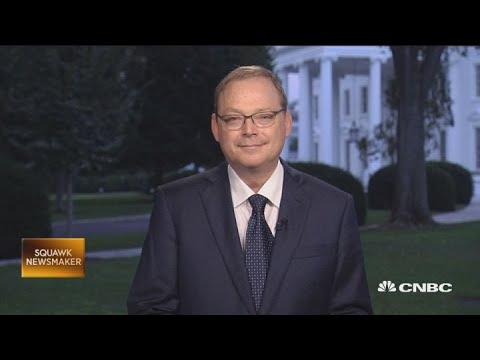
This report is based on a December 16, 2025 CNBC “Squawk on the Street” interview with National Economic Council Director Kevin Hassett, alongside data from the U.S. Bureau of Labor Statistics (BLS) November 2025 jobs report and market reaction data [0][2][3]. Hassett, a leading candidate for the next Federal Reserve (Fed) chair, emphasized that while Fed independence is “really important,” ties to former President Donald Trump should not disqualify candidates—addressing concerns about his own 2017–2019 role as Trump’s Council of Economic Advisers Chairman [3][6].
The BLS reported 64,000 non-farm payroll jobs added in November 2025, with October’s numbers revised to a loss of 105,000 (driven by federal government worker declines). The unemployment rate rose to 4.6% (highest since September 2021), while labor force participation remained stable at 62.5%. Average hourly earnings increased by 0.1% monthly and 3.5% annually, the smallest annual gain since May 2021 [0][1][2][4].
The Fed chair race, led by Treasury Secretary Scott Bessent, has narrowed to five candidates: Hassett, former Fed Governor Kevin Warsh (a Trump ally), current Fed officials Christopher Waller and Michelle Bowman, and BlackRock’s Rick Rieder. A decision is expected by December 25, 2025 [5][6][7].
Following the jobs report, the Dow Jones Industrial Average and S&P 500 slipped, while the Nasdaq Composite gained slightly. The CME FedWatch tool showed a 24.4% probability of a Fed rate cut in January 2026, unchanged from the previous day [2].
- Hassett’s Paradox: As a frontrunner with close Trump ties, Hassett’s advocacy for both Fed independence and the viability of Trump-aligned candidates addresses potential criticism but creates a tension: markets and critics may question whether a Trump-associated chair can maintain the Fed’s traditional political independence [6].
- Labor Market Cooling: The November jobs data (slow hiring, rising unemployment, decelerating wage growth) aligns with the Fed’s view that the labor market no longer fuels inflation, reinforcing the central bank’s December dot plot forecast of one 2026 quarter-point rate cut [4].
- Market Uncertainty from Chair Decision: The impending December 25 Fed chair announcement adds a layer of market uncertainty, as the selected candidate’s monetary policy stance—especially if aligned with Trump’s preference for rate cuts—could shift market expectations [5].
- Risks:
- Political influence on the Fed: A Trump-aligned chair may face pressure to prioritize economic growth over the Fed’s mandate of price stability and full employment, risking inflationary pressures [3][6].
- Market volatility: Uncertainty surrounding the chair selection could lead to short-term market fluctuations until a decision is announced [2].
- Opportunities:
- Rate cuts to stimulate growth: Weak jobs data supports arguments for 2026 rate cuts, which could boost consumer and business spending [4].
- Reduced uncertainty post-announcement: A clear Fed chair decision could stabilize market expectations for monetary policy [5].
- Jobs Report Data: 64k November non-farm payrolls (Oct revised to -105k), 4.6% unemployment, 3.5% annual wage growth [0][1][2][4].
- Fed Chair Candidates: Kevin Hassett, Kevin Warsh, Christopher Waller, Michelle Bowman, Rick Rieder (decision by Dec 25, 2025) [5][6][7].
- Hassett’s Stance: Fed independence is key; Trump ties shouldn’t disqualify chair candidates [3][6].
- Market Reaction: Mixed indices, CME FedWatch 24.4% chance of Jan 2026 rate cut [2].
Insights are generated using AI models and historical data for informational purposes only. They do not constitute investment advice or recommendations. Past performance is not indicative of future results.