
Korea Zinc 74B US Smelter Project Impact on South Korea Metal Industry Investment Value
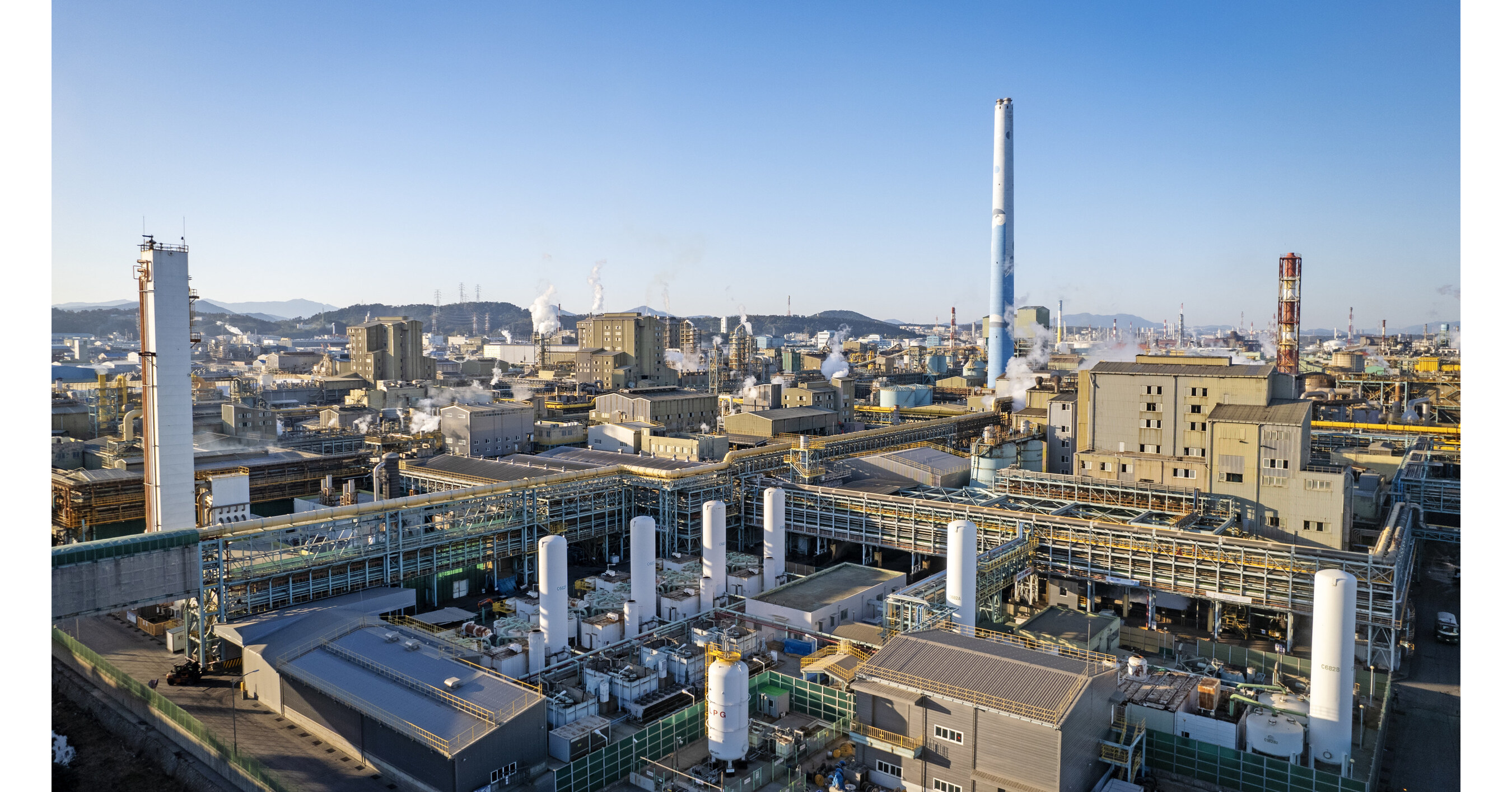
Based on an in-depth analysis of the Korea Zinc (Korea Zinc Industry) incident, I will evaluate its impact on the investment value of South Korea’s metal industry from multiple dimensions:
- Young Poong (the largest shareholder) and MBK Partners launched a hostile takeover bid last year
- Management has been accused of “consolidating control over the company” through the US project
- Shareholders filed a court injunction to block share sales, leading to significant stock price volatility [0]

- Sharp stock price fluctuations: After the US project announcement on December 15, the stock price rose by nearly 11%, then plummeted by 14.13% on the 16th due to shareholder litigation news [0]
- Surge in trading volume: From an average daily 45,000 shares to 127,000 shares, indicating increased market divergence [0]
- Valuation uncertainty: The company’s current P/E ratio is 61.92 times, far higher than the industry average, with a risk of valuation correction [0]
- Control struggle: Reflects the prevalent chaebol governance issues in South Korea’s metal industry
- Transparency of investment decisions: Major overseas investments lack sufficient shareholder consensus, increasing the risk of regulatory scrutiny
- ESG investment threshold: Governance disputes may affect institutional investor allocation, especially international funds focused on ESG
- Industrial chain upgrading: The US project aligns with the global trend of critical mineral supply chain restructuring
- Technological leadership: New-generation smelting technology is expected to enhance South Korea’s position in the global metal industry chain [1]
- Policy dividends: US government support provides policy guarantees and financing convenience
- Capital allocation efficiency: The $7.4 billion huge investment may affect domestic business development
- Geopolitical risks: Overseas projects face uncertainty amid Sino-US competition
According to the latest market data, the basic materials sector fell 0.26% today, underperforming the broader market [0]. The Korea Zinc incident may lead to:
- Increased risk premium: Investors demand higher returns from South Korean metal enterprises
- Valuation multiple compression: Governance issues may lower the valuation level of the entire sector
- Adjustment of capital flow: Some funds may shift to competitors with more transparent governance structures
The incident may catalyze South Korea’s metal industry to:
- Survival of the fittest: Enterprises with good governance receive valuation premiums
- Increased foreign participation: International investors may seek more direct ways of participation
- Promotion of regulatory reform: Forcing South Korea to improve listed company governance standards
- Avoid high-controversy stocks: Temporarily avoid targets with governance disputes
- Focus on defensive varieties: Shift to metal processing enterprises with stable operations and transparent governance
- Volatility trading: Use derivatives such as options to manage volatility risks
- Value reassessment opportunities: Oversold rebounds may occur after the incident ends
- Industrial chain leaders: Focus on high-quality enterprises benefiting from global supply chain restructuring
- ESG-themed investment: Metal enterprises that value governance quality will receive long-term premiums
The incident of Korea Zinc shareholders blocking the $7.4 billion US project has indeed had a negative impact on the investment value of South Korea’s metal industry in the short term, mainly reflected in increased stock price volatility and a rise in governance risk premiums. However, in the long term, this incident may become a catalyst for industry governance reform, promoting South Korean metal enterprises to develop in a more transparent and standardized direction.
For value investors, the current volatility provides an opportunity for contrarian positioning, but it is necessary to strictly screen the governance quality and fundamental status of enterprises. It is recommended to focus on:
- Metal processing enterprises with transparent governance structures and diversified businesses
- Segment leaders with technological advantages in global supply chain restructuring
- High-quality targets benefiting from ESG investment trends
Overall, the long-term investment value of South Korea’s metal industry remains solid, but more cautious risk management strategies are needed in the short term.
[0] Gilin API Data - Korea Zinc real-time stock prices, company fundamentals and market data
[1] Yahoo Finance - “Korea Zinc to build smelter in US costing about US$7.43 bil”
[2] Bloomberg - “US to Back Korea Zinc’s $7.4 Billion Critical Minerals Plant”
Insights are generated using AI models and historical data for informational purposes only. They do not constitute investment advice or recommendations. Past performance is not indicative of future results.