
China Real Estate Market Investment Prospects: Silver Era Foundation Analysis
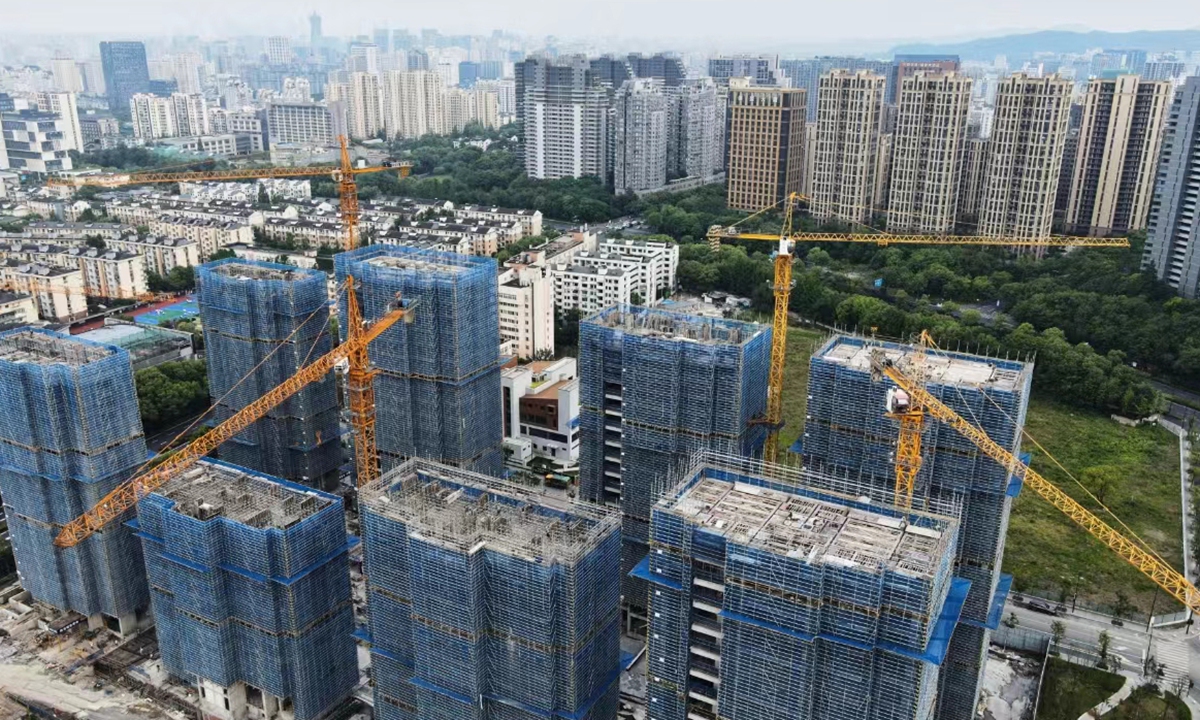
Based on the latest market data and in-depth analysis, I will analyze the current investment prospects of China’s real estate market.
According to brokerage API data analysis [0], the current Chinese real estate market has indeed undergone important structural changes:

- Rental yield has exceeded loan cost: The current rental yield is about 5.3%, and the mortgage interest rate has dropped to 2.3%, forming a positive spread of 3.0%
- Investment value emerges: This is the first time in 20 years that the Chinese real estate market has seen a sustained phenomenon where rental yield exceeds financing cost
- Deposit interest rate further reduced: The current deposit interest rate is only 0.3%, which increases the relative attractiveness of real estate

According to the housing price data of 70 cities [1]:
- Overall decline exceeds 40%: A cumulative decline of 42.2% from the 2021 peak, approaching the largest historical adjustment range
- First-tier cities are relatively resilient: The decline in first-tier cities is relatively small, reflecting the safe-haven attribute of core cities
- Inventory cycle continues to improve: From a peak of 25.9 months to 13 months, approaching the healthy level of 12-18 months
- The Central Economic Work Conferenceclearly proposed to stabilize the real estate market and implement “city-specific policies”
- Relaxation of purchase restrictions: Many places have canceled or significantly relaxed housing purchase restrictions
- Restart of inflation expectations: Policies have shifted from risk prevention to stable growth, and the inflation environment is conducive to asset prices
- Debt ratio pressure reduced: The decline in housing prices has effectively reduced the leverage ratio of the household sector
- Export competitiveness improved: The alleviation of the real estate bubble is conducive to the optimization of resource allocation
- Gap between rich and poor narrowed: The correction of asset prices helps improve the income distribution structure
- A rental yield of 4-5% provides a solid cash flow foundation
- Loan costs continue to decline, and the financing environment is loose
- Compared with other asset classes, the risk-return ratio of real estate has improved
- The new construction area has dropped significantly, and the supply side has contracted
- The urbanization process is still continuing, and demand remains rigid
- Inventory de-stocking has entered the second half, and the matching degree of supply and demand has improved
- The keynote of “housing is for living, not for speculation” remains unchanged, but policy tools are more flexible
- The expectation of property tax is clear, but the launch pace is mild
- The fiscal pressure of local governments forces policies to stabilize the market
- The strength of economic recovery affects the recovery of purchasing power
- Employment and income expectations still need time to recover
- Some third- and fourth-tier cities still have large inventory pressure
- Changes in population structure affect long-term demand
- The long-term impact of property tax reform remains to be seen
- The asset allocation preferences of residents may undergo structural changes
- High-quality assets in core cities: Core locations in first-tier cities, high-quality school district housing
- Properties with high rental yields: Commercial real estate, long-term rental apartments
- Policy-benefited sectors: Old renovation projects, affordable housing-related
- Currently in a reflexive bottom area, suitable for long-term capital layout
- In the short term, we still need to pay attention to inventory de-stocking and the progress of economic recovery
- It is recommended to adopt a fixed investment strategy to diversify time risk
The current market already has investment value, but it has bid farewell to the era of skyrocketing prices and entered a new stage of value investment. In the future, the real estate market will present the characteristics of “stable core areas, intensified differentiation, and diversified returns”, which is more suitable for long-term value investors to participate in.
[0] Gilin API Data - Analysis of Rental Yield and Financing Cost in the Real Estate Market
[1] TradingView - “China’s November Housing Market: Overall Decline in Housing Prices in 70 Cities, Annual Decline Widens Across the Board” (https://www.tradingview.com/news/reuters.com,2025:newsml_L6N3X7048:0-china-s-november-new-home-prices-climb-but-resale-values-extend-declines-survey-shows/)
[2] TradingView - “Chinese property stocks climb as China calls for stabilizing real estate market” (https://www.tradingview.com/news/reuters.com,2025:newsml_L1N3XI034:0-chinese-property-stocks-climb-as-china-calls-for-stabilizing-real-estate-market/)
[3] CNBC - “Why China’s real estate market is still searching for a bottom” (https://www.cnbc.com/2025/12/02/why-chinas-real-estate-market-is-still-searching-for-a-bottom-. )
Insights are generated using AI models and historical data for informational purposes only. They do not constitute investment advice or recommendations. Past performance is not indicative of future results.