
Key Events from 2025 Barron’s Report: Economic Data, Fed Policy, Tariffs, and SpaceX IPO
Related Stocks
The 2025 government shutdown disrupted data collection and release, resulting in a backlog of three months of labor (November jobs, Dec. 16) and inflation (CPI, Dec. 18) data. This delayed data arrives at a critical juncture for the Federal Reserve (Fed), which recently cut rates to 3.50-3.75% in December 2025 (its third consecutive cut) and faces internal division over the pace of 2026 rate cuts (median projection: 1 cut). The released data will directly inform the Fed’s policy path, influencing interest rates, bond yields, and market expectations. [0]
Concurrent with this, the Supreme Court is reviewing the legal justification for Trump’s reciprocal tariffs, with a decision expected by June 2026. A ruling against the tariffs could complicate companies’ efforts to secure refunds, as Customs and Border Protection is rushing to move tariff revenue into Treasury coffers. Trump has framed tariffs as a driver of manufacturing growth (citing Toyota investments), despite nine consecutive months of declining U.S. manufacturing activity; notably, half of U.S. imports are exempt from these tariffs due to carveouts and trade deals. [1]
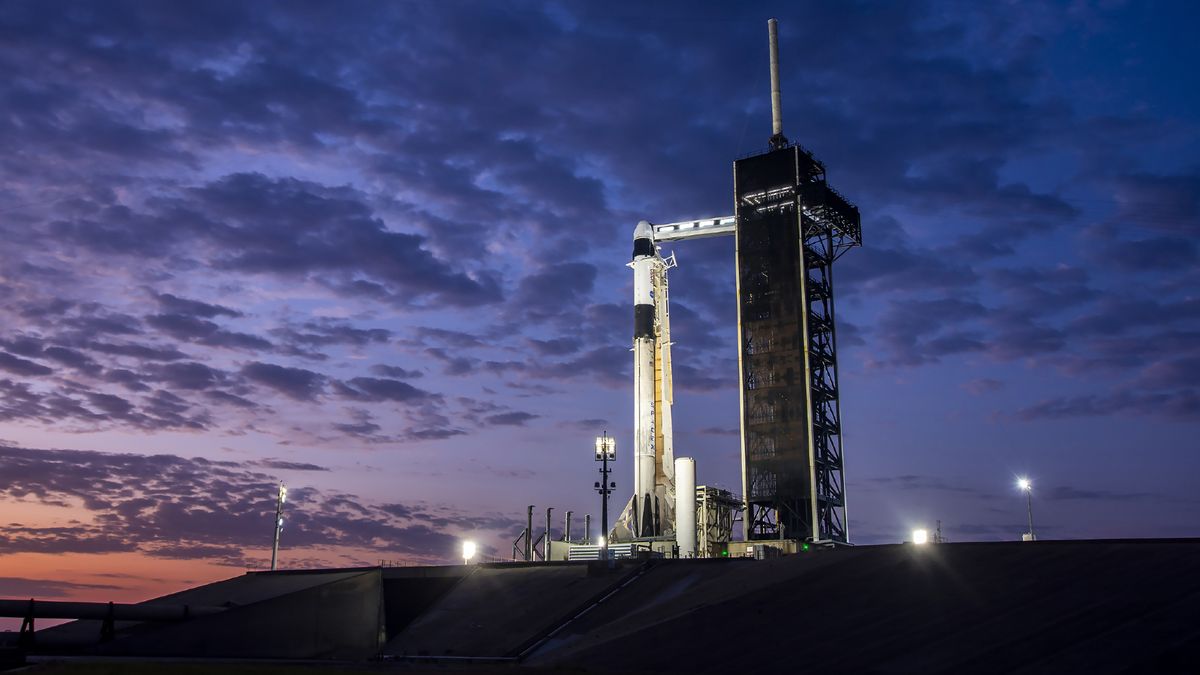
SpaceX has announced 2026 IPO plans targeting a valuation exceeding $1 trillion (up to $1.5 trillion per Bloomberg) and over $25 billion in fundraising, potentially the largest IPO in history. Proceeds will support the company’s long-term growth strategy of building space-based data centers. This IPO could boost public space sector stocks like Rocket Lab (RKLB) and attract significant investor attention to the space industry. [2]
- Cross-sector interdependencies: Delayed economic data (labor/inflation) impacts Fed monetary policy, which in turn affects global financial markets and corporate borrowing costs. [0]
- Political-financial convergence: The Supreme Court’s tariff ruling could alter U.S. trade policy, affecting corporate finances (refund claims) and Trump’s political narrative on manufacturing growth. [1]
- Tech-sector spillover: SpaceX’s IPO highlights the maturing space industry, with potential ripple effects on related stocks and investor interest in space technology innovation. [2]
- Risks:
- Market volatility due to delayed data and Fed policy uncertainty: Investors may react unpredictably to backlogged economic indicators, leading to short-term volatility in equities and bonds. [0]
- Tariff uncertainty for businesses: A Supreme Court ruling against tariffs could create legal and financial disruptions for companies with pending refund claims. [1]
- Opportunities:
- Space sector growth: SpaceX’s IPO could attract significant capital to the space industry, benefiting related companies and driving innovation. [2]
- Fed policy clarity: Once delayed data is released, the Fed may provide clearer guidance on 2026 rate cuts, reducing market uncertainty over time. [0]
- Delayed economic data: November jobs report (Dec. 16) and CPI (Dec. 18) due to the 2025 government shutdown. [0]
- Fed policy context: December 2025 rate cut to 3.50-3.75% (third consecutive cut), with internal division on the number of 2026 rate cuts. [0]
- Supreme Court tariff ruling: Decision expected by June 2026; potential impact on corporate tariff refunds. [1]
- SpaceX IPO: 2026 launch targeting >$1 trillion valuation, $25B+ fundraising, focused on space-based data center development. [2]
Insights are generated using AI models and historical data for informational purposes only. They do not constitute investment advice or recommendations. Past performance is not indicative of future results.