
Analysis: Delayed September PCE Report and Muted Market Reaction Amid Fed Policy Uncertainty (2025)
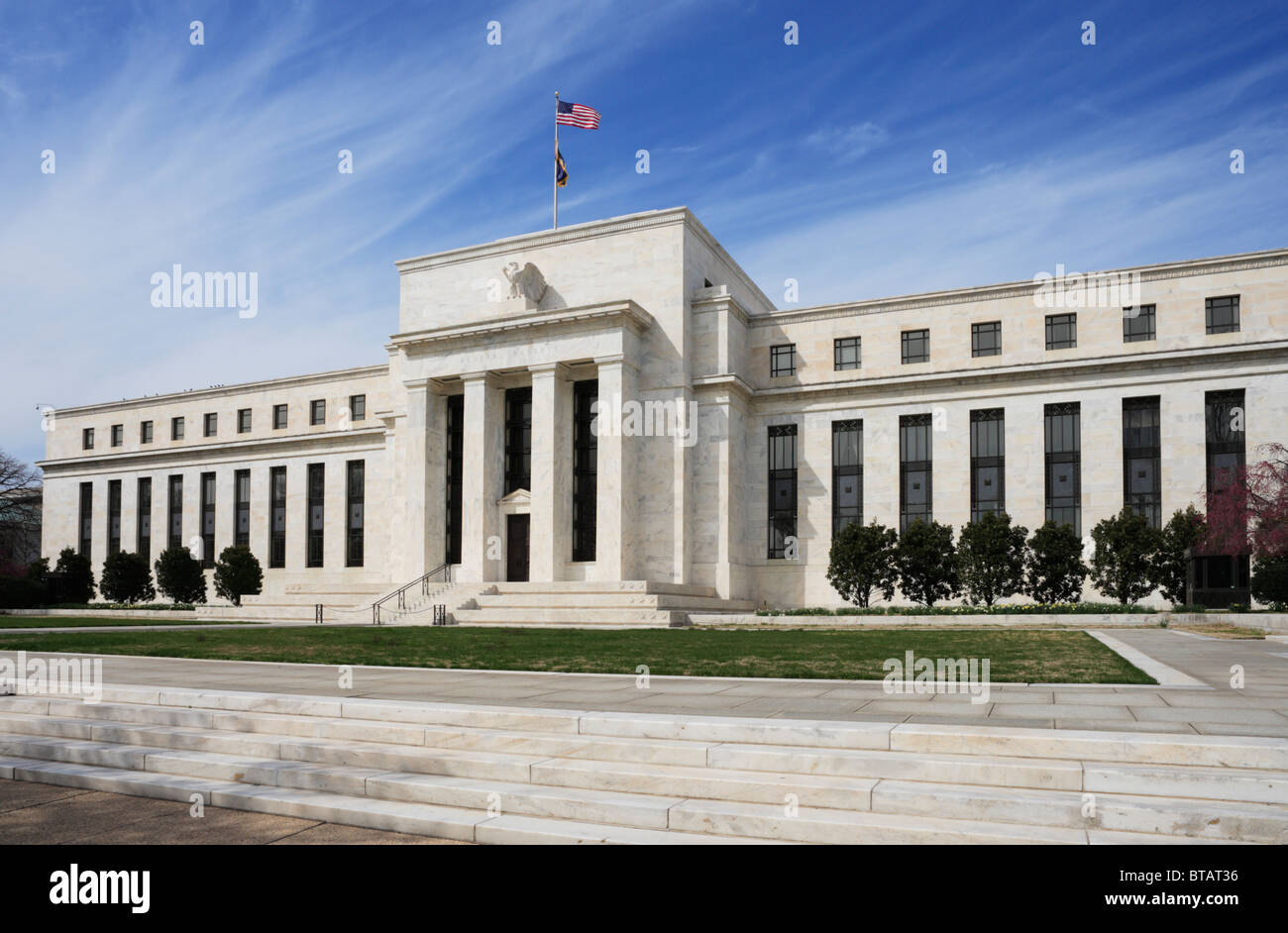
This analysis is based on the MarketWatch article published on December 4, 2025 [1], which highlighted investor anxiety about persistent inflation and consumer sentiment ahead of the Federal Reserve’s (Fed) final 2025 policy meeting (December 9-10). The article focused on the upcoming December 5 release of the delayed September 2025 Personal Consumption Expenditures (PCE) Price Index, the Fed’s preferred inflation gauge.
The PCE report was delayed due to a 43-day government shutdown that disrupted October data collection [2]. When released on December 5, 2025, it showed headline PCE inflation at 2.8% year-over-year (YoY) and core PCE (excluding food and energy) at 2.8% YoY [3][4]. These figures were largely in line with economist estimates, with core PCE slightly cooler than projected.
Market reaction to the report was muted across major indices: S&P 500 (+0.06%), NASDAQ Composite (+0.04%), and Dow Jones Industrial Average (+0.16%) [0]. Three factors explain this muted response: 1) the September data’s timeliness issue (released two months later, not reflecting current economic conditions), 2) alignment with market expectations eliminating surprise-driven movements, and 3) investor focus shifting to the upcoming Fed policy meeting, where rate decisions could have more immediate market impact.
- Policy-Driven Data Gaps Impact Market Decision-Making: The government shutdown [2] created a critical gap in economic data (October CPI was canceled [2]), leaving investors and the Fed with incomplete information. This delayed PCE report’s release reduced its market relevance, as investors prioritize timely data for assessing current inflation trends.
- Market Sentiment Prioritizes Fed Communication Over Stale Data: The muted reaction despite inflation remaining above the Fed’s 2% target [3][4] indicates that investors are waiting for the Fed’s December policy announcement to make significant decisions. This underscores the central bank’s outsized influence on short-term market movements.
- Inflation Stickiness Remains a Concern, but Expectations Alignment Mitigates Volatility: While inflation is still above target, the report’s alignment with expectations [3][4] prevented a negative market response, suggesting that investors have priced in persistent inflation for the short term.
- Inflation Stickiness Delaying Rate Cuts: The PCE report confirms inflation remains above the Fed’s 2% target [3][4], which could lead the central bank to delay anticipated rate cuts in 2026, potentially putting downward pressure on stocks.
- Data Gap Uncertainty: The missing October CPI data [2] creates ambiguity for the Fed’s policy decision, increasing the likelihood of volatile market reactions following the December 10 announcement.
- Geopolitical and Consumer Sentiment Risks: Unmentioned in the original article but relevant, ongoing geopolitical tensions and “souring consumer sentiment” (as noted in the MarketWatch piece) could amplify market volatility if paired with adverse Fed decisions.
- Stabilized Market Sentiment Post-Report: The muted reaction to the delayed PCE report reduces immediate inflation-related panic, potentially allowing markets to stabilize before the Fed meeting.
- Clarity from Upcoming Data: The November CPI report (scheduled for December 18 [2]) will provide a more current inflation picture, potentially resolving some uncertainty and guiding future market trends.
- Original Event: MarketWatch article (December 4, 2025) highlighting investor anxiety ahead of a delayed inflation report and Fed policy meeting [1].
- Delayed PCE Report: Released December 5, 2025, showing September 2025 headline/core PCE at 2.8% YoY, slightly in line with expectations [3][4].
- Market Reaction: Muted gains across major indices (S&P 500: +0.06%; NASDAQ: +0.04%; Dow: +0.16%) [0], due to data timeliness, expectation alignment, and Fed meeting focus.
- Upcoming Events: Fed policy meeting (December 9-10), November CPI report (December 18) [2].
- Key Risks: Inflation stickiness, data gap uncertainty, potential Fed policy volatility.
- Key Context: Government shutdown caused data delay, reducing report’s relevance.
The analysis provides factual context and risk identification without prescriptive investment recommendations, supporting informed decision-making.
Insights are generated using AI models and historical data for informational purposes only. They do not constitute investment advice or recommendations. Past performance is not indicative of future results.