
SpaceX Prepares for 2026 IPO: Market Impact and Risk Analysis
Related Stocks
This analysis is based on the Wall Street Journal report [8] published on 2025-12-12, stating SpaceX (founded by Elon Musk) informed employees of preparations for a potential 2026 initial public offering (IPO). The company’s CFO, Bret Johnsen, noted that IPO proceeds would fund the development of its Starship rocket, orbital data centers, and a lunar base [0]. SpaceX is conducting an insider share sale at $421 per share, valuing the company at approximately $800 billion—nearly double its previous internal valuation [1][2][3]. On the trading day of the announcement, Boeing (BA) closed up 1.78%, outperforming the broader market (Dow -0.53%, S&P 500 -0.86%, NASDAQ -1.25%) due to investor optimism about the growing commercial space economy, despite negative company news (Air Force One delays, a lawsuit) [0][4]. Lockheed Martin (LMT) gained 1.11% supported by both a $433 million contract modification for Black Hawk aircraft and positive sector sentiment from the SpaceX IPO news [0][5]. Rocket Lab (RKLB) closed down 3.26% after a 30% weekly rally driven by earlier SpaceX IPO rumors; this pullback likely resulted from profit-taking and an SEC Form 144 (proposed insider stock sale) [0][6]. Virgin Galactic (SPCE) closed down 8.59%, but this decline was unrelated to SpaceX news, following the release of photos showing founder Richard Branson with Jeffrey Epstein [0][7]. Satellite communication firms Iridium (IRDM) and Globalstar (GSAT) declined slightly but outperformed the NASDAQ’s -1.25% drop, indicating no direct impact from the SpaceX IPO announcement [0].
- Sector Validation: SpaceX’s potential IPO could validate the commercial space economy, attracting additional capital to the aerospace and space technology sectors [0][1].
- Competitive Volatility: Smaller competitors like Rocket Lab may face short-term volatility as investors reallocate funds post-IPO, despite recent rally momentum [0][6].
- Valuation Disconnect: The $800 billion valuation (approximately 52x projected 2025 revenue of ~$15.5 billion) [1] relies heavily on unproven technologies (Starship, orbital data centers), creating a significant valuation gap compared to industry peers [0][2].
- Leadership Risk: Elon Musk’s public persona and management style could introduce volatility for SpaceX post-IPO [0].
- Sector Capital Inflow: SpaceX’s IPO may attract new investment to the aerospace sector, supporting growth for established players like Boeing and Lockheed Martin [0][1].
- Contract Support: Lockheed Martin’s recent $433 million Black Hawk contract, combined with positive sector sentiment, signals short-term support for the defense aerospace segment [0][5].
- Valuation Risk: A 52x revenue multiple is far above industry norms, relying on aggressive growth assumptions that may not materialize [1].
- Technology Risk: Starship and orbital data centers are developmental technologies with no proven track record of commercial success [0][2].
- Regulatory Risk: SpaceX operates in a heavily regulated industry, and delays or denials of approvals for the IPO or space operations could derail its growth plans [0].
- Leadership Risk: Elon Musk’s public statements and management style may create volatility for SpaceX’s post-IPO shareholder value [0].
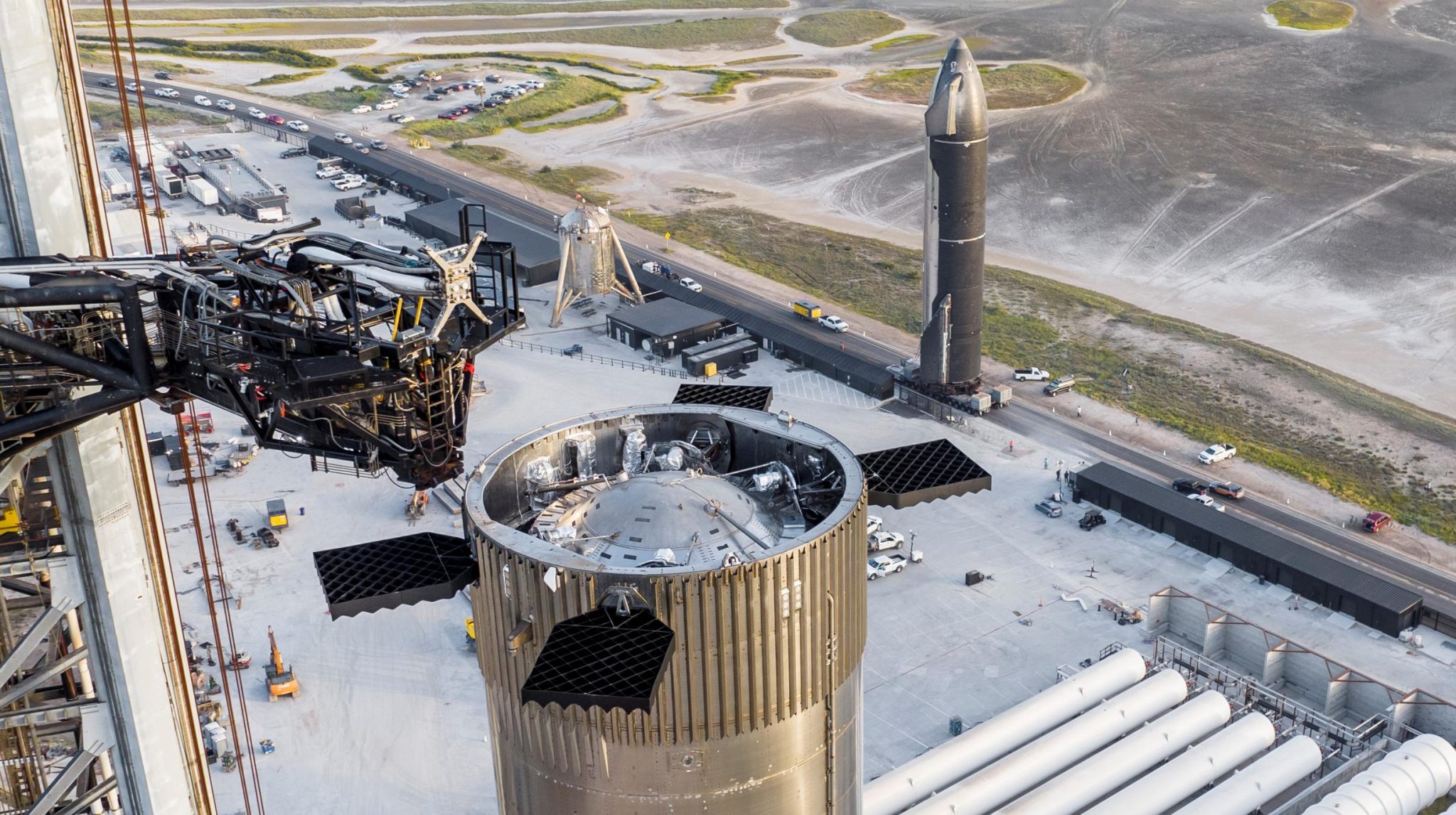
- IPO Details: SpaceX targets a 2026 IPO to fund Starship rocket development, orbital data centers, and a lunar base [0].
- Valuation: Insider share sale values SpaceX at $800 billion, approximately 52x projected 2025 revenue (~$15.5 billion) [1][2][3].
- Market Reactions: Boeing (BA) and Lockheed Martin (LMT) rose due to sector optimism; Rocket Lab (RKLB) pulled back post-rally; Virgin Galactic’s (SPCE) decline was unrelated to SpaceX news [0].
- Monitoring Factors: Key metrics to track include Starship testing progress, regulatory approvals for the IPO and space operations, and post-IPO governance structure [0].
Insights are generated using AI models and historical data for informational purposes only. They do not constitute investment advice or recommendations. Past performance is not indicative of future results.