
Fed Regional Bank President Reappointments Calm Central Bank Independence Fears
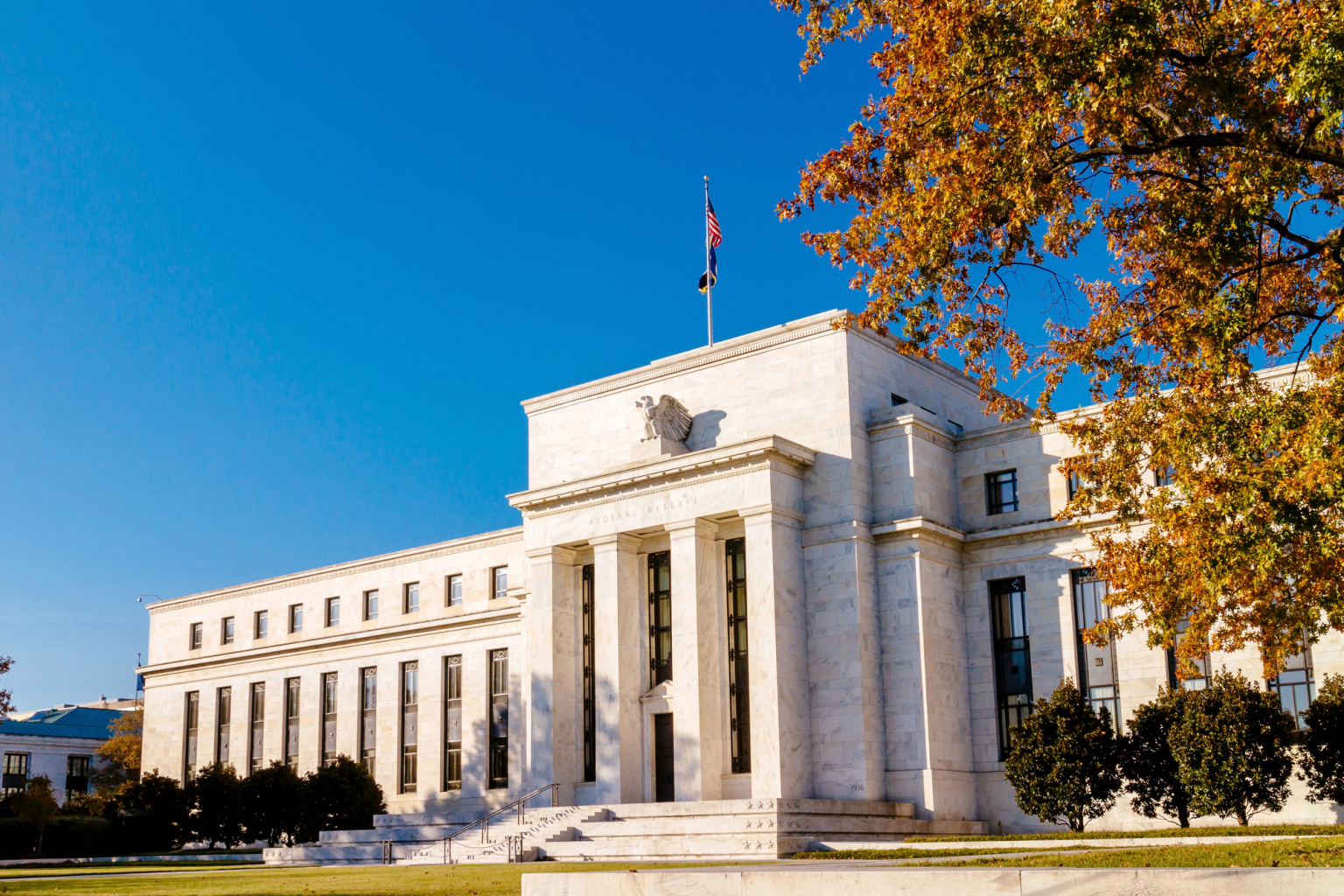
The Federal Reserve Board’s unanimous decision to reappoint 11 regional bank presidents (excluding retiring Atlanta Fed President Raphael Bostic) on December 11, 2025—earlier than the usual February timeline—marks a critical move to address mounting concerns over central bank independence [0][1][2][3]. The context includes President Donald Trump’s escalating pressure on the Fed: threats to replace Fed Chair Jerome Powell (whose term ends in May 2026) and a lawsuit aimed at removing Fed Governor Lisa Cook, which had raised alarms about political interference in monetary policy [0][1][2]. Notably, the reappointment vote included Governor Stephen Miran, a recent Trump appointee, indicating cross-appointment support for institutional independence [2].
Regional Fed presidents hold significant influence as 5 of the 12 FOMC members (including the permanent New York Fed president and 4 rotating members), making their independence vital to the Fed’s credibility in setting monetary policy [0][2][3]. The 5-year terms, extending past Trump’s second term, further insulate the FOMC from short-term political manipulation. Market reactions included a 5.14% drop in the VIX (volatility index), signaling reduced investor uncertainty [2], while gold (+1.4%) and Bitcoin (+2.4%) showed mixed movements as of 7:30 AM ET on December 12 [0]. Concurrent events, such as cannabis stock regulatory news, may have contributed to broader market dynamics, complicating the isolation of the Fed announcement’s exact impact [3].
- Institutional Continuity Over Political Pressure: The early, unanimous reappointment (including Trump appointees) demonstrates the Fed Board’s priority to safeguard institutional independence, countering concerns about the administration’s influence.
- Long-Term Policy Stability: The 5-year terms reduce the risk of short-term political interference in monetary policy, as they extend beyond the current presidential term.
- Market Confidence Correlation: The VIX decline directly aligns with reduced uncertainty about Fed independence, highlighting the market’s sensitivity to central bank credibility.
- Cross-Partisan Support: The participation of a Trump-appointed governor in the unanimous vote underscores that support for Fed independence transcends political affiliations within the board.
- Risks: Ongoing political pressure from President Trump (e.g., threats to replace Chair Powell) and Treasury Secretary Scott Bessent’s proposed changes to the regional president appointment process could reignite concerns about central bank independence [0][2][3].
- Opportunities: Enhanced market confidence in the Fed’s independence may reduce volatility and support long-term economic stability. The reappointment also reinforces the FOMC’s ability to base policy decisions on economic data rather than political considerations.
- Urgency: While the current move calms fears, continuous monitoring of political efforts to influence the Fed is warranted to assess long-term risks.
- FOMC Structure: 12 members (7 Fed Board of Governors, 5 regional bank presidents; New York Fed president is a permanent voting member) [0][2][3].
- Regional President Selection: Chosen by bank directors (mostly business/nonprofit executives) and approved by the Fed Board [2].
- Central Bank Independence Importance: Allows the Fed to pursue long-term price stability and full employment without political interference, critical for investor confidence [0].
- Market Impacts: VIX fell 5.14% [2], gold +1.4%, Bitcoin +2.4% [0] following the announcement.
Insights are generated using AI models and historical data for informational purposes only. They do not constitute investment advice or recommendations. Past performance is not indicative of future results.