
Analysis of Jim Cramer’s "Very Logical Day" Market Comments (December 11, 2025)
Related Stocks
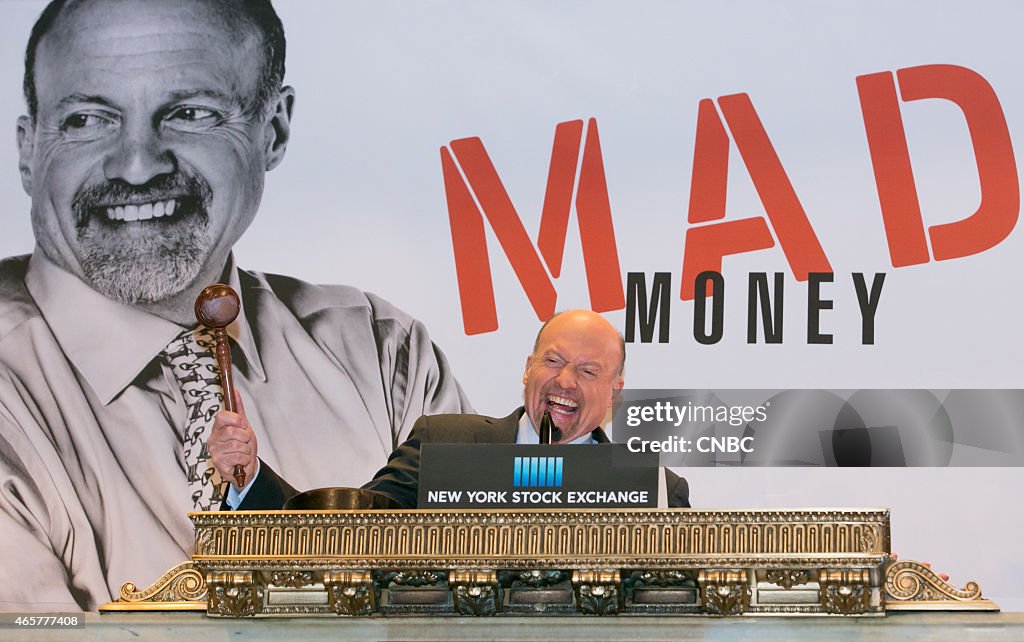
This analysis examines Jim Cramer’s December 11, 2025, “Mad Money” commentary on the U.S. stock market’s record day, contextualized with market data and macroeconomic events [0].
On December 11, the Dow Jones Industrial Average (^DJI) closed at a new record high of 48,704.02 (+1.29%, 646 points), the S&P 500 (^GSPC) crossed 6,900 for the first time (6,901.01, +0.58%), and the NASDAQ (^IXIC) gained a modest 0.36% (23,593.86) [0][2].
Two key factors drove the day’s performance:
- Federal Reserve Rate Cut (December 10): The Fed delivered its third consecutive 25-basis-point interest rate cut in 2025, lowering the federal funds rate to 4.153% (10-year yield) and 3.542% (2-year yield). This easing reduced borrowing costs and reinforced market expectations for economic growth [1][2].
- Oracle Earnings and Sector Rotation: After the December 10 market close, Oracle (ORCL) reported a fiscal second-quarter revenue miss and higher-than-anticipated AI data-center spending, causing ORCL shares to plummet 11% and dragging down AI-related stocks (NVIDIA, AMD, Micron) by 1–2% [3][4]. In response, investors rotated into defensive sectors, with Utilities (+3.59%) and Real Estate (+1.69%) leading gains, offsetting tech sector weakness [0].
Cramer characterized the day as “very logical” due to the Fed’s growth-supportive policy and the rational sector rotation in reaction to Oracle’s earnings [0].
- Cross-Domain Impact: The Fed’s ongoing easing cycle historically boosts broader market sentiment, but sector-specific corporate news (like Oracle’s earnings) can rapidly redirect capital flows, creating index performance divergences (e.g., Dow outperforming NASDAQ) [1][3].
- AI Sector Vulnerability: Oracle’s results highlight that AI-focused companies face heightened investor scrutiny over the efficiency of their AI infrastructure spending and alignment with revenue growth, introducing short-term volatility [4].
- Defensive Sector Resilience: The strong performance of defensive sectors amid tech weakness demonstrates their role as a near-term hedge during periods of sector-specific uncertainty [0].
- AI Spending Concerns: Investors should monitor future earnings reports from AI-focused companies (ORCL, NVDA, AMD, MU) for signs of unsustainable AI infrastructure spending or persistent revenue shortfalls [3][4].
- Sector Rotation Sustainability: A prolonged shift to defensive sectors could signal broader market uncertainty about growth stocks, while a temporary rotation may reverse if tech stocks recover from the Oracle-related drag [0].
- Fed Policy Uncertainty: Future monetary policy decisions depend on inflation and economic growth data. Divergences between actual data and market expectations could introduce volatility [1][2].
Defensive sectors (Utilities, Real Estate) may offer short-term stability amid ongoing tech sector volatility, though this context is for decision support and not prescriptive [0].
- Market Metrics: Dow Jones record high (48,704), S&P 500 above 6,900, NASDAQ underperforming due to tech sector drag [0][2].
- Core Drivers: Fed’s third 2025 rate cut, Oracle’s earnings disappointment, sector rotation to defensives [1][3][4].
- Cramer’s Rationale: Characterized the day as “very logical” due to monetary easing and rational investor rotation [0].
- Key Monitoring Areas: AI spending trends, sector rotation sustainability, and Fed policy outlook [3][4].
Insights are generated using AI models and historical data for informational purposes only. They do not constitute investment advice or recommendations. Past performance is not indicative of future results.