
Stagflation Fears Surge Post-Fed Rate Cut Amid Jobs Data Concerns
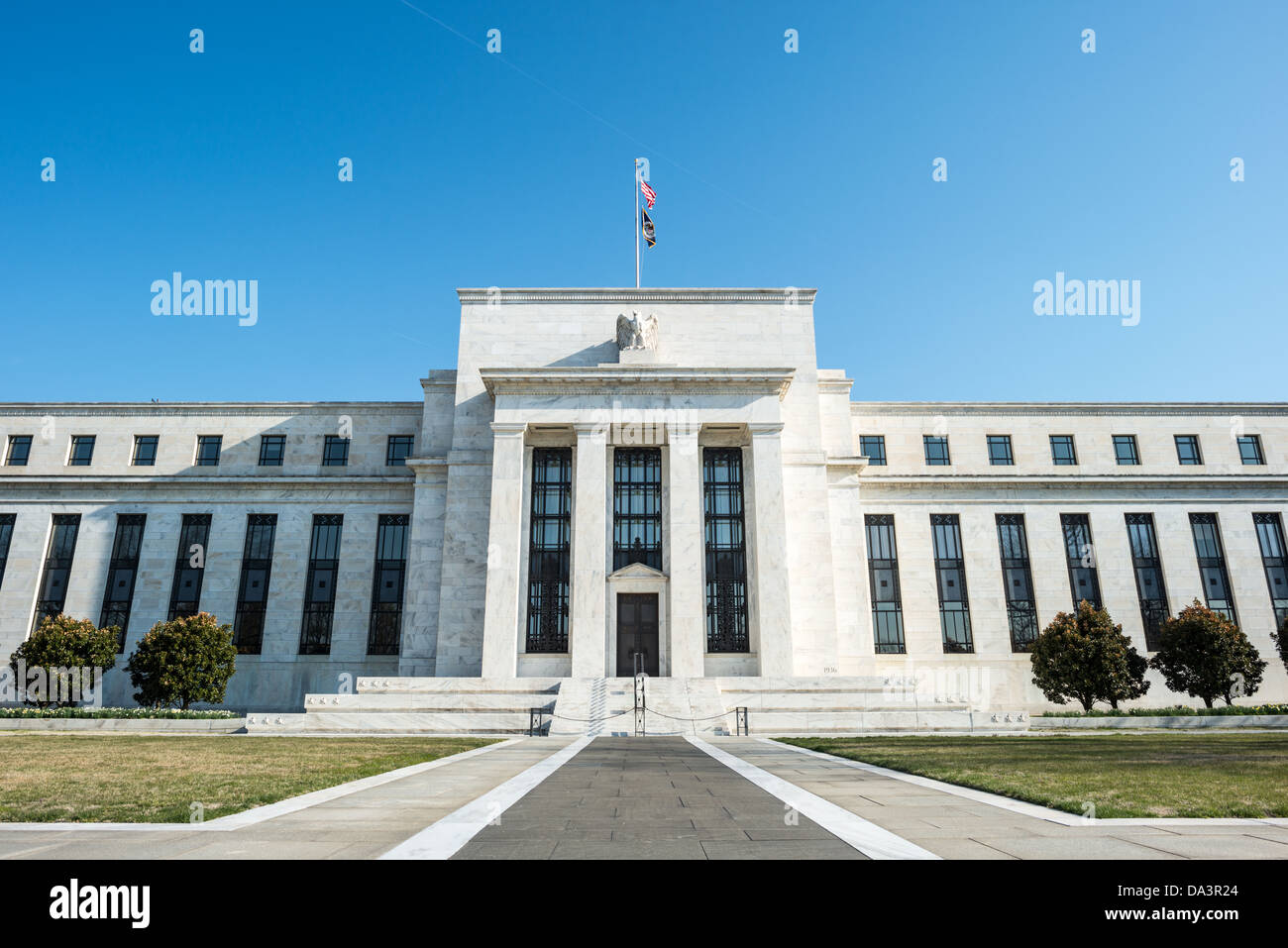
On December 11, 2025, the “Big Money Show” panel discussed three critical market developments [1]. The Federal Reserve implemented its third 25-basis-point rate cut of the year, reducing the federal funds rate to 3.5-3.75%, with the decision passing amid the Fed’s biggest FOMC split in years [2][3]. Fed Chair Jerome Powell also admitted that official U.S. jobs data may be overstated by 60,000 jobs per month, implying real job losses of approximately 20,000 per month since April 2025 (vs. reported gains of 40,000/month) [4][5]. These developments amplified stagflation fears, driven by persistent inflation above the Fed’s 2% target (attributed to tariff policies) and growing labor market weakness [2][6].
U.S. equity indices closed higher on the day: S&P 500 (+0.56%), NASDAQ Composite (+0.29%), Dow Jones Industrial (+1.33%) [0]. However, sector performance revealed defensive sectors leading (Utilities +3.17%, Basic Materials +2.21%, Real Estate +1.83%) while Consumer Cyclicals lagged (-0.17%) [0]. This rotation indicates investor concern about economic slowdown and inflation persistence aligning with stagflation fears.
- Defensive Sector Rotation Signals Stagflation Preparation: Despite initial index gains, the leadership of defensive sectors suggests investors are positioning for stagflation, prioritizing assets resistant to low growth and high inflation [0].
- Jobs Data Revision Alters Economic Narrative: Powell’s admission of potential 60,000 monthly jobs overstatement shifts the narrative from “slow growth” to “job losses since April 2025,” which could significantly impact consumer spending and economic growth projections [4][5].
- FOMC Split Highlights Policy Uncertainty: The Fed’s largest split in years signals disagreement over balancing inflation and labor market risks, which may lead to inconsistent future policy decisions and increased market volatility [2].
- Stagflation Risk: The combination of underreported job losses and persistent inflation above the 2% target elevates stagflation concerns [1][2].
- Labor Market Downside: Confirmation of ongoing job losses in future data revisions could reduce consumer spending and economic growth.
- Inflationary Pressures: Rate cuts may boost demand and worsen inflation, exacerbating the stagflation scenario [2].
- Fed Policy Uncertainty: The FOMC split indicates potential inconsistency in future rate decisions, increasing market volatility [2].
- Defensive Sector Outperformance: Utilities, Basic Materials, and Real Estate sectors have historically performed well in stagflationary environments, suggesting potential relative strength [0].
- The Federal Reserve cut rates to 3.5-3.75% on December 11, 2025, marking the third 25-basis-point cut of the year [2][3].
- Fed Chair Powell admitted official jobs data may overstate monthly gains by 60,000, implying real job losses of ~20,000 since April 2025 [4][5].
- Inflation remains above the Fed’s 2% target due to tariff policies, with limited data available from a government shutdown [2][6].
- U.S. equity indices closed higher, but defensive sectors led the market, reflecting underlying stagflation fears [0].
- Key risks include stagflation, labor market weakness, inflationary pressures, and Fed policy uncertainty.
Insights are generated using AI models and historical data for informational purposes only. They do not constitute investment advice or recommendations. Past performance is not indicative of future results.