
Fed Rate Cut and Employment Risk Comments Drive Market Gains (December 2025)
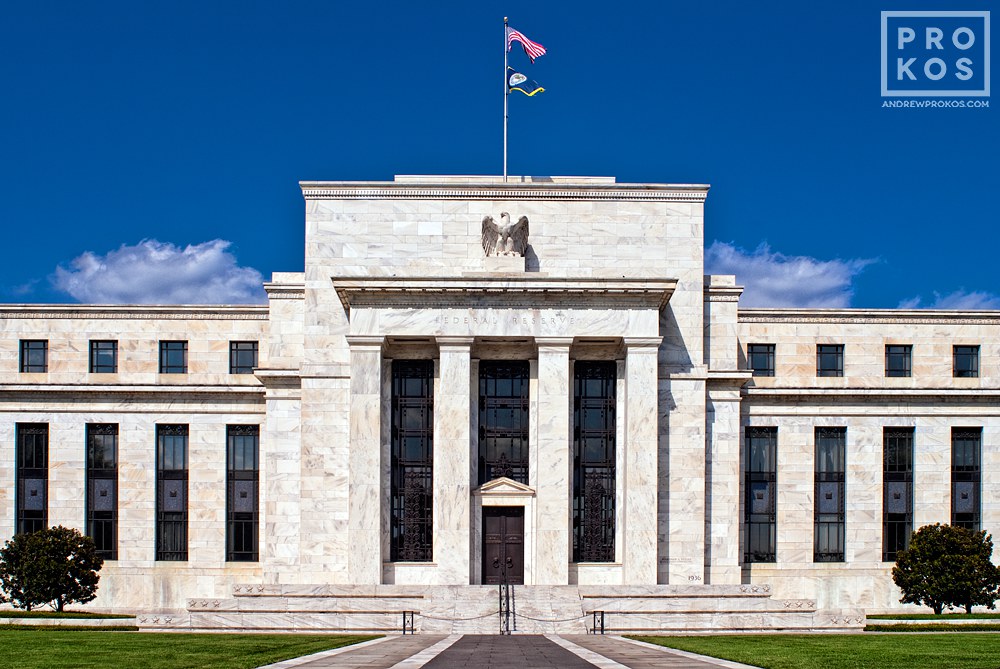
On December 10, 2025, the Federal Open Market Committee (FOMC) announced a 25 basis point reduction in the federal funds rate to 3.50%-3.75%, marking the third consecutive cut since September 2025 [1]. The decision passed with a 9:3 vote, reflecting debate among officials but broad consensus on balancing the Fed’s dual mandate (stable prices and maximum employment) [3]. A critical driver was Fed staff analysis indicating official job creation data may overstate gains by up to 60,000 jobs monthly—implying potential net job losses of 20,000 monthly given recent reported gains of ~40,000 [2].
Following the meeting, Kelsey Berro of JPMorgan Asset Management attributed the market’s positive reaction to the Fed’s explicit acknowledgment of employment downsides, which reinforced expectations of sustained accommodative policy [0]. U.S. major indices closed higher with strong participation: Dow Jones Industrial Average (DJIA) +1.02%, S&P 500 +0.78%, NASDAQ Composite +0.50%, with trading volume 22-45% above the 20-day average [0]. The rate cut came amid persistent inflation (~3% for CPI/PCE), signaling the Fed prioritized employment stability over immediate inflation reduction [1].
- Policy-Action Disconnect: The rate cut (designed to support economic growth) coincided with the Fed’s revelation of hidden job losses, reflecting a delicate balancing act. This contrast creates mixed underlying signals despite the short-term market rally, highlighting investor focus on Fed accommodation over fundamental economic concerns [0][2].
- Sectoral Divergences: Interest-sensitive sectors (housing, consumer durables) are poised to benefit from lower borrowing costs, while financials may see improved lending dynamics. Tech stocks face uncertainty due to mixed growth expectations amid potential economic weakness [0].
- Future Policy Expectations: The Fed’s employment concerns could lead markets to price in additional rate cuts in 2026, contingent on verified labor market data (e.g., BLS revisions) and inflation trends [1][4].
- Labor Market Contraction: If the Fed’s job growth overstatement is confirmed by official revisions, actual job losses could reduce consumer confidence and spending, potentially leading to economic recession [2].
- Inflation Persistence: The rate cut may allow inflation to remain above the Fed’s 2% target longer, eroding purchasing power and pressuring future policy decisions [1].
- Global Policy Divergence: Contrasts with tighter monetary policies from central banks like the ECB could impact U.S. dollar strength and global capital flows [1].
- Interest-Sensitive Sectors: Lower mortgage and consumer loan costs will likely stimulate activity in housing and durable goods [0].
- Corporate Investment: Reduced borrowing costs may encourage business investment, supporting long-term economic growth [1].
- Asset Price Support: Continued Fed accommodation could boost equity and fixed income prices in the short to medium term [0].
- FOMC Rate Decision: 25bps cut to 3.50%-3.75% (December 10, 2025) [1]
- Market Reaction: DJIA +1.02%, S&P +0.78%, NASDAQ +0.50% with elevated trading volume [0]
- Employment Assessment: Fed staff estimate 60k/month overstatement in job growth data, implying ~20k/month net job losses [2]
- Critical Monitoring Factors: Monthly non-farm payroll reports, CPI/PCE inflation data, future FOMC meetings, and corporate earnings [0][2][3]
Insights are generated using AI models and historical data for informational purposes only. They do not constitute investment advice or recommendations. Past performance is not indicative of future results.