
Central Bank Policy Divergence: Major Economies Shift Toward Hiking While Fed Continues Cutting
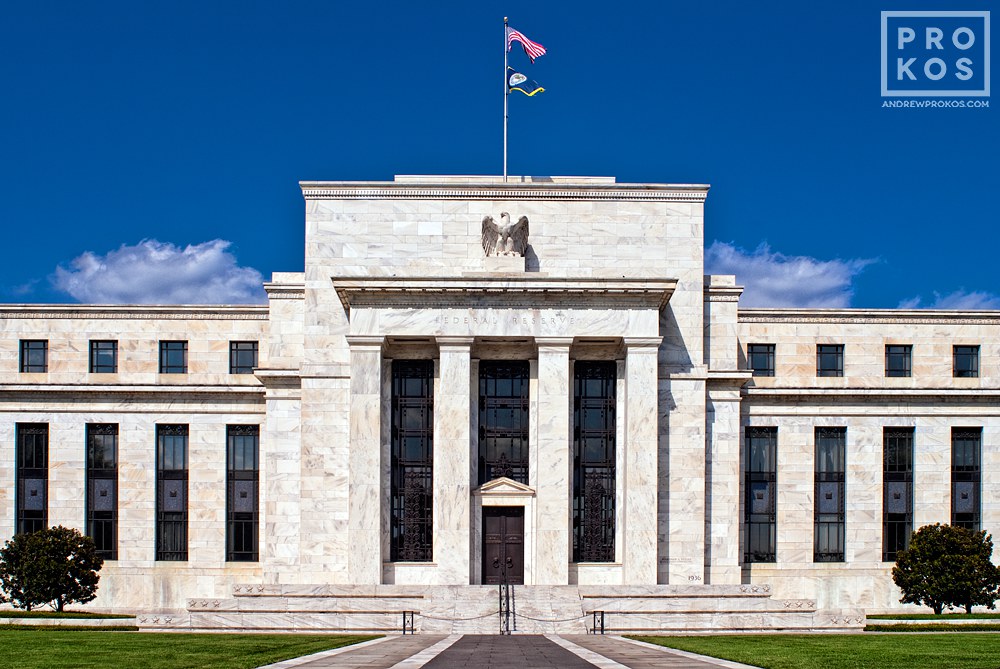
This analysis draws from the Dec 11 Reuters report [1] and internal market data [0]. Major central banks (ECB, BOE, RBA, SNB, BOC, Riksbank, RBNZ) have shifted from a prolonged easing cycle to policy pauses, with some (RBA, ECB) signaling potential future rate hikes due to stubborn inflation. The Fed is an outlier: on Dec 10, it implemented its third 25 bps rate cut of 2025 (to 3.5-3.75%) but indicated only one additional cut in 2026 before pausing. The BOJ stands apart as the only central bank set to raise rates (to 0.75%) at its upcoming meeting, ending its long ultra-loose monetary policy [1].
Market impacts reflected this divergence: US equities (S&P 500 +0.78%, NASDAQ +0.50%, Dow +1.02%) rose on Dec 10 following the Fed cut but gains were limited by the central bank’s signal that easing is nearing an end [0]. European indices (DAX +0.37%, FTSE +0.14%) posted modest gains on Dec 11 amid optimism about stable rates [0]. The Nikkei 225 fell sharply (-1.32%) due to sensitivity to the BOJ’s planned rate hike, its first in years [0]. US 10-year yields remained flat at 4.14% as markets priced in the Fed’s near-term pause [2]. Currencies reacted to interest rate differentials: EUR/USD +0.12% (1.1644) on ECB normalization hopes, USD/JPY -0.21% (156.47) amid expected BOJ-Fed rate gaps [3].
- Policy divergence is the core theme, with the Fed nearing the end of its easing cycle while peers move toward tightening—this could drive ongoing currency volatility and global market uncertainty [1][3].
- US equity markets are cautious despite the Fed cut, reflecting concerns that the end of easing may limit future gains, highlighting investor sensitivity to monetary policy shifts [0][1].
- The Nikkei’s sharp decline underscores the long-term impact of ultra-loose policy; even a moderate BOJ rate hike can trigger significant market reactions [0].
- Risks: Widening interest rate differentials between the US and other economies may increase market volatility and currency fluctuations [1]. Persistent inflation could force central banks (like RBA, ECB) to hike rates sooner than expected, potentially slowing growth [1]. The BOJ’s rate hike and Fed’s pause could tighten global liquidity conditions [0][1]. Political disagreements between President Trump and the Fed over rate cuts may add further volatility [1].
- Opportunities: Regions with stable rates (e.g., EU, UK) may attract cautious investors seeking predictability. Currency markets could present trading opportunities amid expected rate differentials, though this carries volatility risk [3].
Major central banks are shifting from easing to pauses or hikes, with the Fed continuing to cut but signaling a near-term pause. Market reactions were mixed across regions, driven by differing policy outlooks. Decision-makers should monitor inflation dynamics, policy timing, and growth projections (currently data gaps) to assess future market trends. The analysis highlights the sensitivity of global markets to monetary policy divergence and the need for caution amid evolving central bank stances.
Insights are generated using AI models and historical data for informational purposes only. They do not constitute investment advice or recommendations. Past performance is not indicative of future results.