
Analysis of Jeremy Siegel's Comments on Fed's December 2025 Rate Cut and Tariff Effects
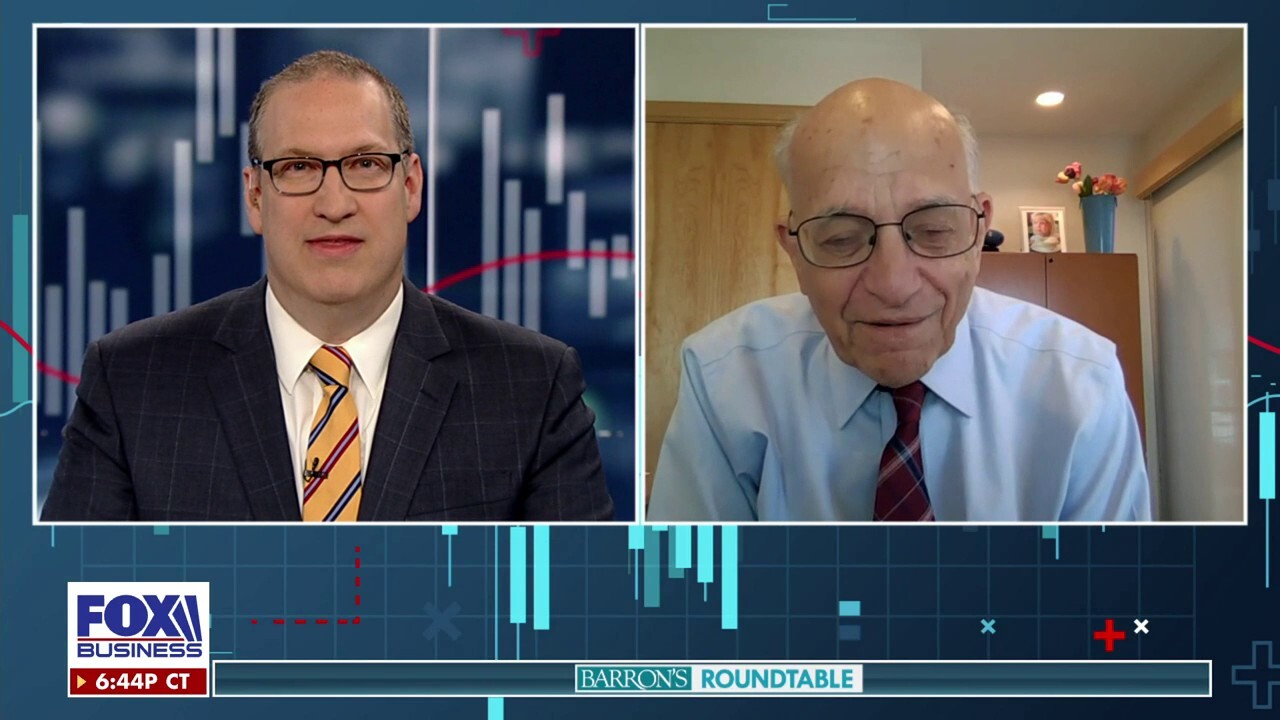
On December 10, 2025, Federal Reserve Chair Jerome Powell announced a third consecutive interest rate cut amid internal dissent (the largest split since 2019) [4]. The cut aimed to support a sluggish labor market while addressing tariff-induced inflation, which Powell identified as the main driver of the Fed’s 2% inflation target overshoot [3]. Markets rallied in response, with Energy (+1.67%), Financial Services (+1.56%), and Industrials (+1.47%) leading gains, while Communication Services (-2.36%) lagged [0]. A key surprise that drove market sentiment was the Fed’s announcement to purchase $40 billion in Treasury bills starting December 12, increasing the money supply [5]. Later that day, Wharton professor emeritus Jeremy Siegel appeared on Fox Business’s “The Claman Countdown” to analyze the rate cut and “set the record straight on the effect of tariffs” [Event Source]. However, Siegel’s specific comments from the interview are unavailable due to the lack of a transcript, creating a critical information gap. A Yale Budget Lab study estimated U.S. households lost an average of $2,700 in purchasing power in 2025 due to tariff inflation [1].
- Market Sentiment Driver: The unexpected Treasury bill purchase overshadowed the hawkish nature of the rate cut (due to internal dissent), resulting in positive short-term market performance [5].
- Tariff Inflation Link: Powell’s explicit identification of tariffs as the primary inflation driver aligns with external studies showing significant household costs from tariff policies [1, 3].
- Siegel’s Missing Perspective: Siegel’s renowned expertise on market trends and Fed policy means his untranscribed comments could provide critical context on the rate cut’s long-term implications and potential misperceptions about tariffs.
- Inflation Risks: Tariff-induced price increases may persist longer than expected, limiting the Fed’s ability to continue rate cuts [3].
- Fed Dissent: Internal disagreements signal uncertainty about future policy direction, which could increase market volatility [4].
- Tariff Policy Uncertainty: Future tariff announcements could disrupt inflation projections and market stability [1].
- Sector Opportunities: Short-term gains in Energy and Financial Services sectors reflect positive market sentiment, but these trends may be fragile without clarity on long-term policy [0].
This analysis synthesizes market data, Fed policy details, and external studies on tariff effects. The Fed’s December 10 rate cut and Treasury bill purchase led to a short-term market rally, with tariffs identified as a core inflationary pressure costing U.S. households $2,700 annually. The absence of Jeremy Siegel’s specific comments from the Fox Business interview leaves a gap in understanding potential misperceptions about the rate cut and tariff impacts. Decision-makers should monitor Fed policy direction, tariff developments, and future disclosures of Siegel’s insights to gain a more complete view.
[0] Ginlix Analytical Database
[1] Above the Law
[2] KITCO
[3] Axios
[4] Business Insider Africa
[5] CNBC
[Event Source] Fox Business YouTube Video
Insights are generated using AI models and historical data for informational purposes only. They do not constitute investment advice or recommendations. Past performance is not indicative of future results.