
Fed 25 bps Rate Cut (Dec 10, 2025) Analysis: Market Impact & Policy Implications
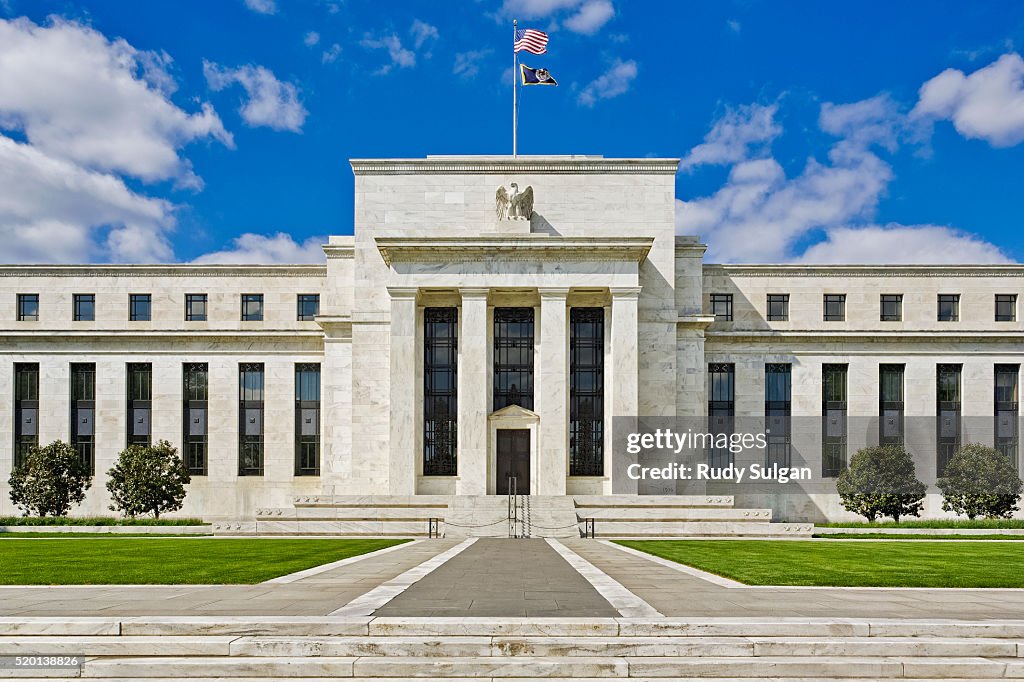
On December 10, 2025, the Fed lowered the federal funds rate by 25 bps to a range of 3.50%-3.75% [1], marking the third consecutive rate cut of the year. The decision was shaped by:
- A 9-3 vote (most dissents since September 2019): Governor Stephen Miran favored a 50 bps cut, while Chicago Fed President Austan Goolsbee and Kansas City Fed President Jeffrey Schmid opposed any cut [1].
- An unchanged dot plot showing a median of one additional rate cut in 2026 and one in 2027, with the neutral rate settling at ~3% [1].
- The Fed’s announcement to purchase $40 billion/month in short-term bills starting December 12 to stabilize overnight funding markets [1].
- An upgraded 2026 GDP growth forecast (raised by 0.5 pps to 2.3%) [1].
Market reactions were mixed across assets but broadly supportive of equities:
- Major U.S. indices closed higher: S&P 500 (+0.78%), Dow Jones (+1.02%), NASDAQ Composite (+0.50%), Russell 2000 (+1.39%) [0].
- The 10-year U.S. Treasury yield fell 0.024 pps to 4.163%, ending a four-day rising streak [2].
- Sectors: Cyclical sectors (Energy: +1.67%, Financial Services: +1.56%, Industrials: +1.48% [0]) outperformed, while Communication Services (-2.36%), Consumer Defensive (-1.31%), and Real Estate (-0.78% [0]) lagged.
The market interpreted the decision as a “hawkish cut” due to the Fed’s cautious tone, limited future cut projections, and high dissent count. However, the upbeat growth outlook and short-term bill purchases (viewed as stealth easing) offset hawkish signals, supporting equity gains [1].
- Real Estate underperformancereflects tempered expectations for additional rate cuts, as the dot plot showed fewer 2026 cuts than some market participants anticipated [1].
- Cyclical sector strength(Energy, Financials) aligns with the Fed’s improved growth forecast, which could boost energy demand and financial lending activity [0][1].
- FOMC division(9-3 vote) indicates significant policy disagreement, raising uncertainty about future rate decisions [1].
- Short-term bill purchasessuggest potential stress in overnight funding markets, with the Fed deploying stealth easing to mitigate liquidity risks [1].
- Risks:
- Policy divergence may lead to unpredictable future rate decisions [1].
- Stubborn inflation could prompt the Fed to reverse course on rate cuts, negatively impacting equities.
- External factors (global economic slowdown, geopolitical tensions) could derail the upgraded GDP growth forecast.
- Persistent stress in funding markets (evidenced by bill purchases) requires monitoring [1].
- Opportunities: The Fed’s improved growth outlook could continue to benefit cyclical sectors like Energy and Industrials, which are sensitive to economic expansion [0][1].
The Fed’s 25 bps rate cut on December 10, 2025, was accompanied by FOMC division, an upgraded 2026 GDP forecast, and stealth easing measures. While equities reacted positively, sector performance varied, with cyclicals leading and rate-sensitive sectors lagging. The decision highlights ongoing policy uncertainty, necessitating close monitoring of inflation data, labor market conditions, the 2026 Fed Chair transition, and funding market stability.
Note: This analysis is based on available market data and event details, with gaps in inflation and labor market metrics that are critical for fully assessing the Fed’s future policy path.
Insights are generated using AI models and historical data for informational purposes only. They do not constitute investment advice or recommendations. Past performance is not indicative of future results.