
Analysis of Global Bond Yields Reaching 16-Year Highs Amid Fading Rate-Cut Expectations
On December 10, 2025, a Reddit thread titled “Global Bond Yields Hit 16-Year High on Fading Rate-Cut Bets” highlighted a surge in global government bond yields, supported by external market data. A Bloomberg gauge of global long-dated government bond yields rose to 16-year highs as traders scaled back rate-cut expectations [1]. Specific U.S. Treasury yield data from Yahoo Finance shows the 10-year yield at ~4.17% and the 30-year yield at ~4.8% as of December 9, 2025, marking month-over-month increases [2].
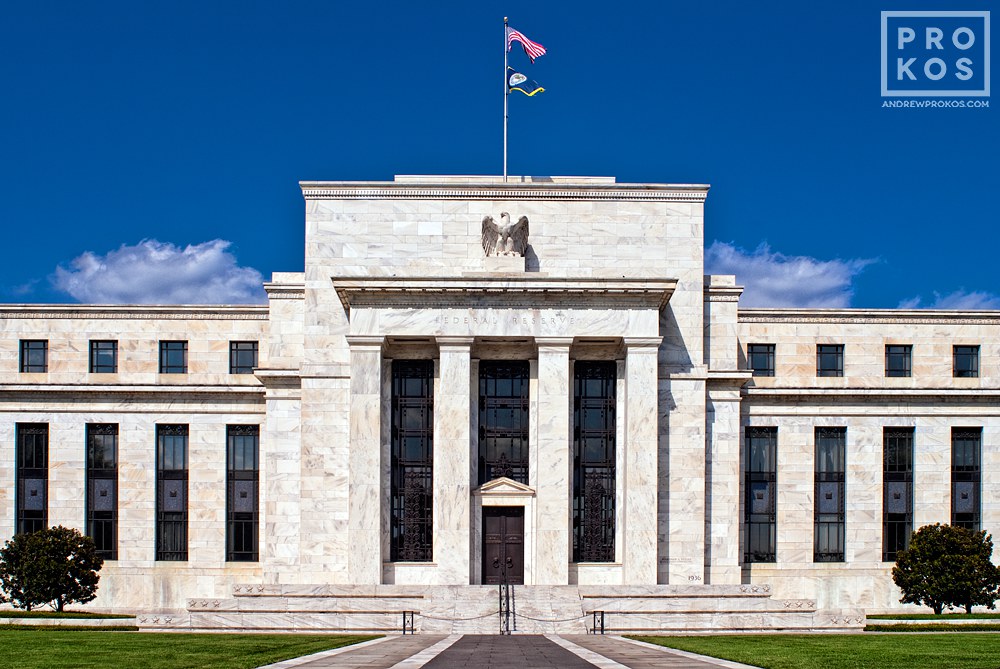
Central bank expectations have shifted dramatically: traders now price in virtually no further rate cuts from the European Central Bank, an all-but-certain rate hike by the Bank of Japan (BOJ) in December 2025, and two quarter-point hikes by Australia’s Reserve Bank (RBA) in 2026 [1]. For the U.S. Federal Reserve, while a 25-basis-point rate cut is expected in its December 10 meeting (90% market probability), internal dissent and inflation concerns have reduced expectations for 2026 cuts [3].
This rise in yields aligns with the Reddit thread’s argument that long-term yields are driven by inflation expectations rather than just central bank actions. Inflation remains above the Fed’s 2% target, with tariff-related inflation projected to peak in 2026, limiting the Fed’s room for aggressive easing [4]. The thread also noted that the BOJ’s control over long-term yields—due to its ownership of most domestic sovereign debt—differs from the U.S. context, where external ownership limits such control.
- End of the 2024 Rate-Cut Cycle: The “disappointment trade” reflects growing conviction that the global rate-cutting cycle, which began in 2024, may be ending soon [1]. This shift is driven by persistent inflation and revised central bank outlooks.
- Inflation as a Primary Driver: The Reddit thread’s argument that long-term yields are inflation-expectation driven is supported by current data showing inflation above central bank targets and tariff-related pressures [4].
- Domestic Debt Ownership Impact: The BOJ’s example demonstrates that high domestic central bank ownership of sovereign debt provides unprecedented control over long-term yields, a dynamic not present in the U.S.
- Market Overreaction Risks: Past bond investor behavior, such as buying bonds at 2% yields in January 2022, highlights the potential for market overreactions, increasing volatility in both bond and equity markets.
- Inflation Persistence: Above-target inflation could force central banks to reverse rate cuts, leading to further bond yield increases [4].
- Central Bank Dissent: Growing dissent within the Fed and other central banks could reduce market confidence in policy direction [3].
- Geopolitical/Tariff Risks: Tariff-related inflation may sustain high price levels, impacting both bond yields and equity markets [4].
- Bond Market Volatility: Historical investor overreactions suggest potential for increased volatility in bond markets.
- Fixed-Income Entry Points: Higher current yields may present attractive entry opportunities for long-term bond investors.
- Sector Rotation: The NASDAQ’s slight gain amid bond yield surges suggests that growth sectors less sensitive to interest rates may outperform in this environment [0].
- Bond Yields: Global long-dated government bond yields (Bloomberg gauge) → 16-year high; 10-year U.S. Treasury → ~4.17%; 30-year U.S. Treasury → ~4.8% [1][2].
- Central Bank Bets: ECB rate cuts → no expectations; BOJ rate hike → December 2025 (certain); RBA hikes → 2 in 2026 (projected) [1].
- Stock Market Performance: S&P 500 (^GSPC) → -0.42% (12/8/25); Dow Jones (^DJI) → -0.48% (12/8/25); NASDAQ (^IXIC) → +0.31% (12/9/25) [0].
- Fed Expectations: December 2025 rate cut → 25 basis points (90% market probability); 2026 cuts → less likely amid inflation concerns [3].
- Inflation Outlook: Above Fed’s 2% target, with tariff-related inflation expected to peak in 2026 [4].
Insights are generated using AI models and historical data for informational purposes only. They do not constitute investment advice or recommendations. Past performance is not indicative of future results.