
Fed December 2025 Meeting: Rate Cut Expectations Amid Official Divisions
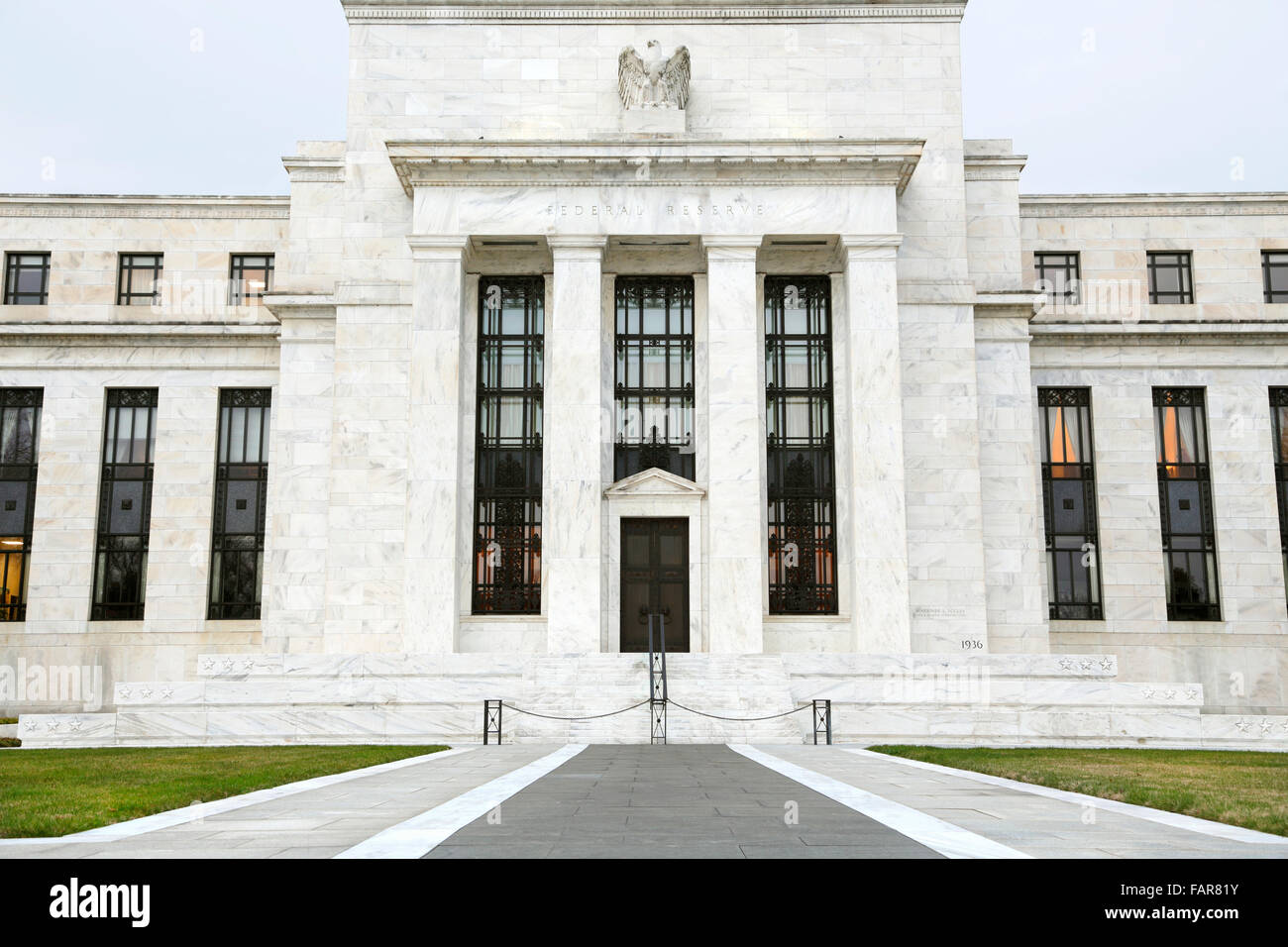
This analysis is based on the New York Times report [1] published on December 10, 2025, which states the Federal Reserve is poised to lower interest rates at its final 2025 meeting, despite internal divisions with a growing number of officials urging caution. Market expectations for a 25 basis point (bps) rate cut stand at approximately 88% according to the CME FedWatch Tool [2], a significant increase from just 30% a month prior. This would mark the third rate cut of the year, following half-point cuts in September and October [3], reducing the benchmark rate to 3.5-3.75% from its current 3.75-4.0% range [3]. Pre-market trading on December 10 shows mixed performance across major U.S. indices: the S&P 500 is slightly down (-0.09%), while the NASDAQ Composite has gained 0.13% [0]. Interest rate-sensitive sectors display varied reactions: Technology (+0.39%) and Utilities (+0.38%) sectors are up, likely due to anticipated benefits from lower borrowing costs for growth companies and increased appeal of dividend-paying utilities [0]. In contrast, the Real Estate sector (-0.21%) is slightly down, reflecting uncertainty about the Fed’s future rate path beyond December [0], and Healthcare (-1.49%) is the worst-performing sector, driven by sector-specific factors unrelated to rate cut expectations [0]. Up to 3 Fed officials are expected to dissent against the cut, the highest number of dissenting votes in six years [5], stemming from concerns about inflation remaining above the Fed’s 2% target [4].
- Priced-in Expectations: The 88% probability of a 25bps cut indicates the decision has largely been priced into the market [2], meaning positive reactions may be muted if the decision aligns with expectations.
- Dissent Signals Caution: The high number of expected dissenters suggests a more divided Fed, which could signal a pause in rate cuts in 2026 [5].
- Hawkish Cut Risk: A “hawkish cut” (accompanied by signals of a pause) could disappoint investors expecting continued easing, leading to potential market volatility.
- Dot Plot and Press Conference Impact: The Fed’s dot plot and Chair Jerome Powell’s subsequent press conference will be critical for shaping 2026 rate expectations and market sentiment.
- Unexpected Decision: If the Fed fails to cut rates, the market could experience a sharp sell-off due to mismatched expectations.
- Inflation Reacceleration: Lower rates could stoke inflation, which remains above the 2% target, potentially leading to future rate hikes [4].
- Geopolitical and Global Risks: Tariff-related inflation and global economic uncertainty could complicate the Fed’s policy path [4].
- Lower Borrowing Costs: Rate cuts benefit growth sectors like Technology by reducing the cost of capital for investment and expansion [0].
- Utility Sector Appeal: Dividend-paying utilities become more attractive to investors seeking stable returns in a lower interest rate environment [0].
- Fed statement and dot plot for future rate projections;
- Powell’s press conference tone and comments on inflation, employment, and tariffs;
- Post-announcement market and sector performance;
- Subsequent economic data (inflation, employment, GDP) that will shape future Fed decisions.
The Fed’s final 2025 meeting is expected to result in a 25bps rate cut (third of the year) with high market consensus [2], though divisions among officials may signal a cautious 2026 policy path [5]. Pre-market trading shows mixed index performance with sector-specific reactions to rate cut expectations [0]. The decision’s market impact will depend on accompanying signals about future rate moves and Powell’s communication [1]. Key risks include unexpected policy outcomes, inflation concerns, and geopolitical factors, while opportunities lie in lower borrowing costs for growth sectors and utility sector appeal.
Insights are generated using AI models and historical data for informational purposes only. They do not constitute investment advice or recommendations. Past performance is not indicative of future results.