
Analysis: Trump’s Unsubstantiated Autopen Claim on Biden’s Federal Reserve Appointments
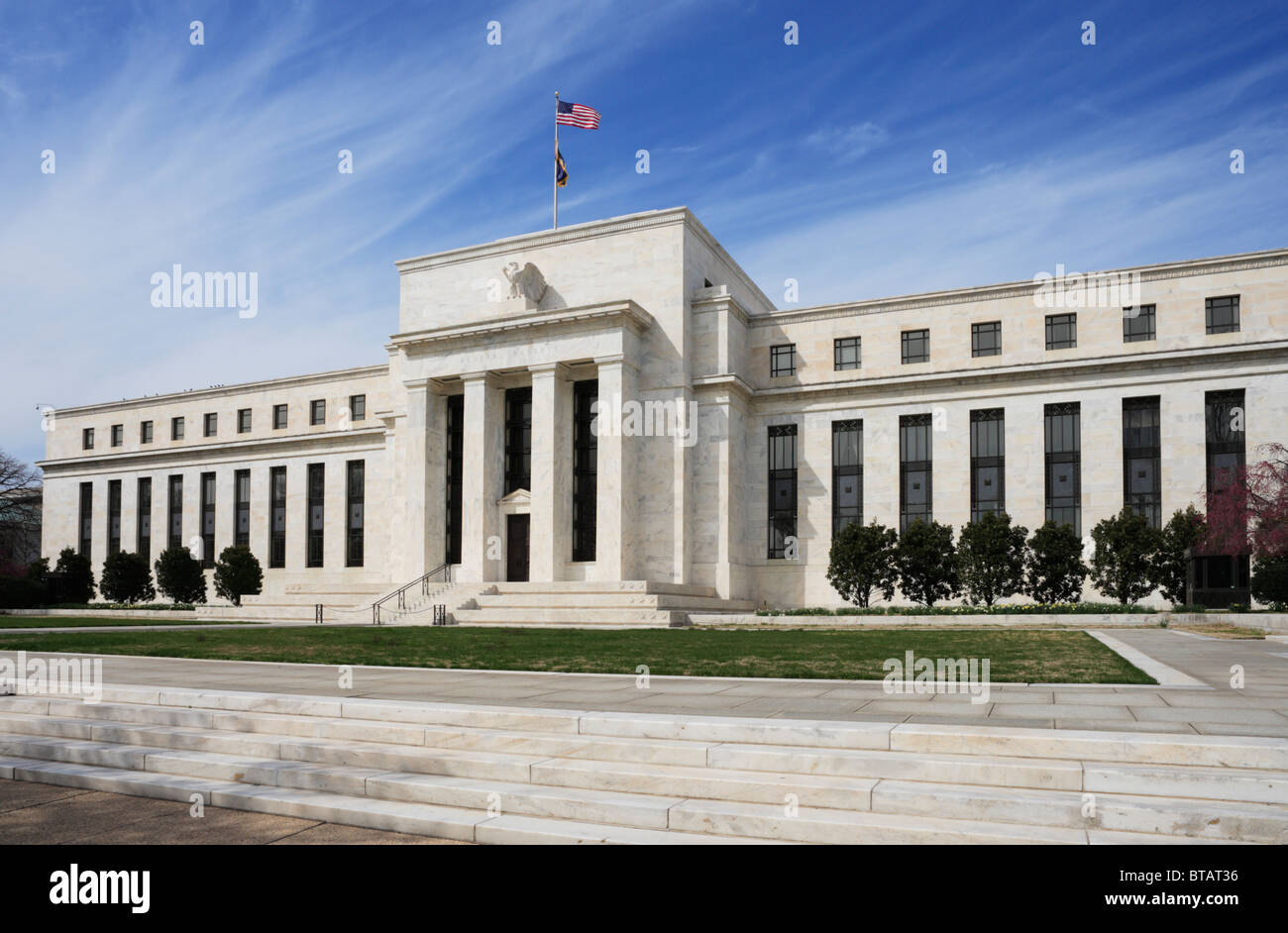
This analysis is based on the CNBC report [1] published on December 9, 2025, detailing Trump’s unsubstantiated autopen claim regarding four of Biden’s Fed appointees: Jerome Powell (reappointed chair in 2021), Philip Jefferson (appointed 2022, vice chair 2023), Michael Barr (appointed 2022, vice chair for supervision), and Lisa Cook (appointed 2022, reappointed 2023) [2][5]. Notably, Powell was first appointed by Trump in 2017 but faced criticism from Trump during his presidency for not cutting interest rates aggressively [1].
Legal experts interviewed by the New York Post [3] confirm that autopen-signed documents hold full legal force under U.S. law when they reflect the president’s actual intent— a practice used by multiple administrations, including Trump and Obama, for routine documents [3][4]. Trump’s claim is part of a broader strategy: in June 2025, he issued an executive action ordering a review of thousands of Biden-era documents, framing autopen use as an abuse of power to conceal cognitive decline [4]. A March 2025 Heritage Foundation memorandum also questioned Biden’s autopen use, though focused on clemency grants rather than Fed appointments [5].
The political motive aligns with Trump’s ongoing effort to influence Fed leadership: he is actively interviewing candidates for the upcoming Fed chair vacancy (Powell’s term ends May 2026), with support for immediate rate cuts as a critical litmus test [6]. The autopen allegation may aim to cast doubt on the legitimacy of Biden’s Fed appointees, potentially challenging their tenures amid a pending Supreme Court case on the president’s authority to fire Fed governors [7]. The claim could also distract from the Fed’s upcoming policy decisions (e.g., potential rate cuts) and leadership transition [8].
- Broader Political Strategy: The autopen claim is not isolated but part of a coordinated effort by Trump to challenge the legitimacy of Biden-era executive actions, extending beyond Fed appointments to clemency grants and other documents [4][5].
- Fed Leadership Link: The timing coincides with Trump’s search for a new Fed chair, suggesting the claim may be a tactic to undermine the current Fed’s authority ahead of the leadership transition [6].
- Legal Precedent Undermines Merit: Despite political framing, longstanding legal practice and expert consensus confirm autopen-signed documents are valid, reducing the claim’s legal viability [3].
- Fed Independence Tensions: The claim may escalate existing political pressure on the Fed, threatening its traditional independence in setting monetary policy [7].
- Public Polarization: It could further divide public opinion on the legitimacy of executive branch procedures, particularly among Trump’s base [4].
- Policy Distraction: The allegation may divert attention from the Fed’s upcoming decisions on interest rates and other critical monetary policy issues [8].
- Transparency on Autopen Protocols: The controversy could prompt clearer public education on the legal frameworks and protocols governing autopen use by U.S. presidents.
- Fed Appointment Oversight: It may encourage greater congressional scrutiny of the Fed appointment process, though this is speculative given the current political climate.
This analysis synthesizes the following critical points:
- Trump’s claim targets four Biden Fed appointees with no supporting evidence [1].
- Autopen-signed documents are legally valid if reflecting presidential intent, per longstanding practice and expert consensus [3].
- The claim is part of a broader attack on Biden’s executive actions and aligns with Trump’s Fed leadership agenda [4][6].
- Immediate legal challenges are unlikely, but the claim may escalate political tensions and distract from key Fed priorities [7][8].
Insights are generated using AI models and historical data for informational purposes only. They do not constitute investment advice or recommendations. Past performance is not indicative of future results.