
Kevin Hassett Accuses Federal Reserve of Partisanship Amid Policy Meeting and Leadership Transition
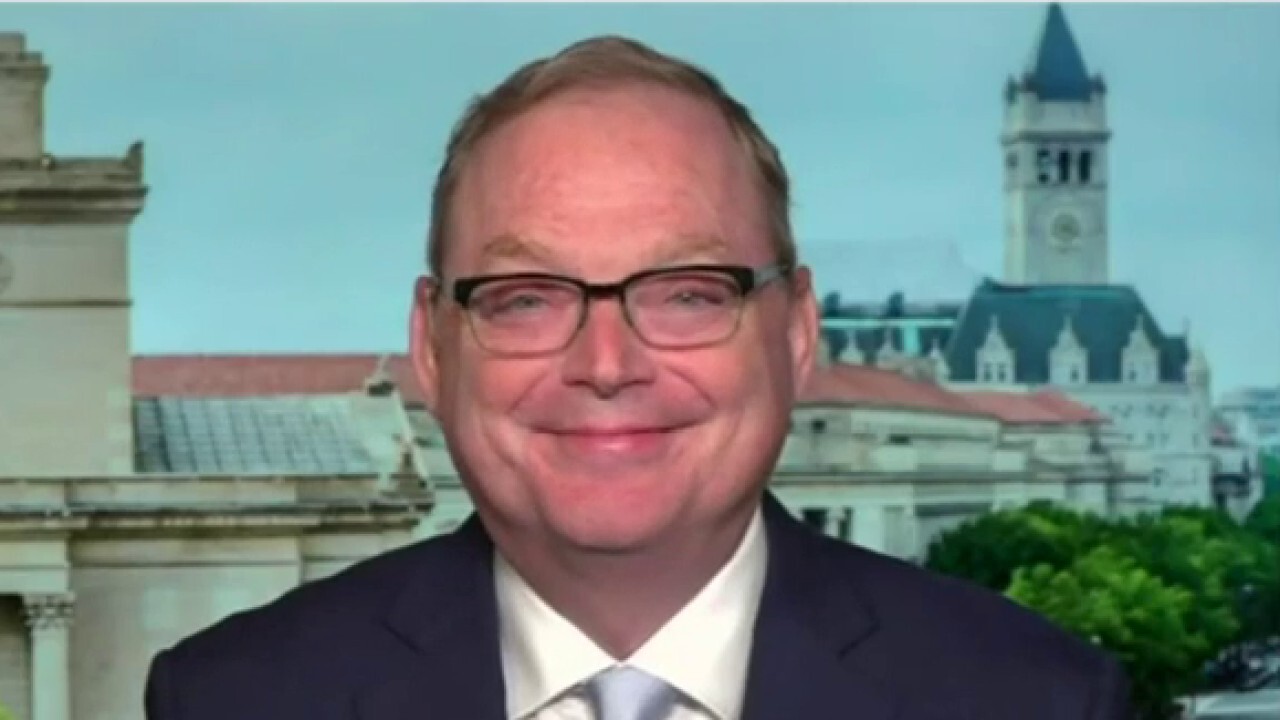
This analysis is based on Kevin Hassett’s December 9, 2025, appearance on Fox Business’ Kudlow show [1], where he accused the Federal Reserve (Fed) of partisanship and urged the central bank to prioritize its core mandate. Hassett, the leading candidate to succeed Jerome Powell as Fed Chair (effective May 2026) [3], made these comments during a critical two-day Fed policy meeting (December 9-10), with a rate decision scheduled for December 10 at 2:00 PM EST [0].
Since the event aired at 4:15 PM EST—after regular market hours—conventional trading did not immediately react. However, the 10-year Treasury yield closed up 0.48% at 4.18% [0], likely reflecting pre-event expectations tied to the ongoing Fed meeting rather than Hassett’s remarks. As of the report’s current time (December 9, 2025, 1:15 PM PST), after-hours trading data is unavailable, and external coverage of the interview remains limited due to its recency [0].
-
Timing Amplifies Impact: The overlap of Hassett’s comments with a critical Fed policy juncture intensifies market scrutiny of both the upcoming rate decision and the Fed’s political independence. His status as the leading Fed Chair nominee makes these accusations particularly significant, signaling potential shifts in central bank leadership and policy direction.
-
Fed Independence Risks: Accusations of partisanship from a likely future Fed leader could erode market confidence in the central bank’s independence—a foundational pillar for stable long-term bond yields and equity valuations [3]. This may lead to increased volatility as investors reassess the Fed’s ability to make data-driven decisions without political interference.
-
Dovish Policy Expectations: Hassett has previously supported more aggressive interest rate cuts than current Chair Jerome Powell [4]. If confirmed, his policy approach could accelerate rate cuts, potentially boosting short-term equity markets but raising long-term inflation risks if not carefully calibrated.
- Fed Independence Erosion: Persistent accusations of partisanship, especially from a potential future leader, could undermine the Fed’s credibility, leading to higher long-term borrowing costs and market instability [3].
- Inflationary Pressures: More aggressive rate cuts under a Hassett-led Fed could reignite inflation, eroding purchasing power and requiring future restrictive policies to correct [4].
- Leadership Transition Volatility: The upcoming Fed leadership change (May 2026) combined with divisive comments about the central bank could create uncertainty through the transition period [3].
- Short-Term Market Boost: If Hassett’s dovish views translate into rate cuts, equities and interest-sensitive sectors (e.g., real estate, consumer durables) could see short-term gains as borrowing costs decrease [0].
- Policy Clarity: As Hassett’s nomination process unfolds, greater clarity on his policy priorities could help markets price in future Fed actions more effectively.
Kevin Hassett, the likely next Fed Chair nominee, accused the Fed of partisanship during a December 9, 2025, interview on Fox Business’ Kudlow show. The comments coincided with a two-day Fed policy meeting, with a rate decision expected December 10. Immediate monitoring includes the Fed’s rate announcement, after-hours/next-day market reactions, and full external coverage of Hassett’s remarks. The situation raises concerns about Fed independence and potential policy shifts, with both risks (inflation, volatility) and short-term opportunities (market gains) identified. This analysis provides contextual support for decision-making without prescriptive investment recommendations.
Insights are generated using AI models and historical data for informational purposes only. They do not constitute investment advice or recommendations. Past performance is not indicative of future results.