
Federal Reserve Interest Rate Decisions and Their Impact on U.S. Affordability
Related Stocks
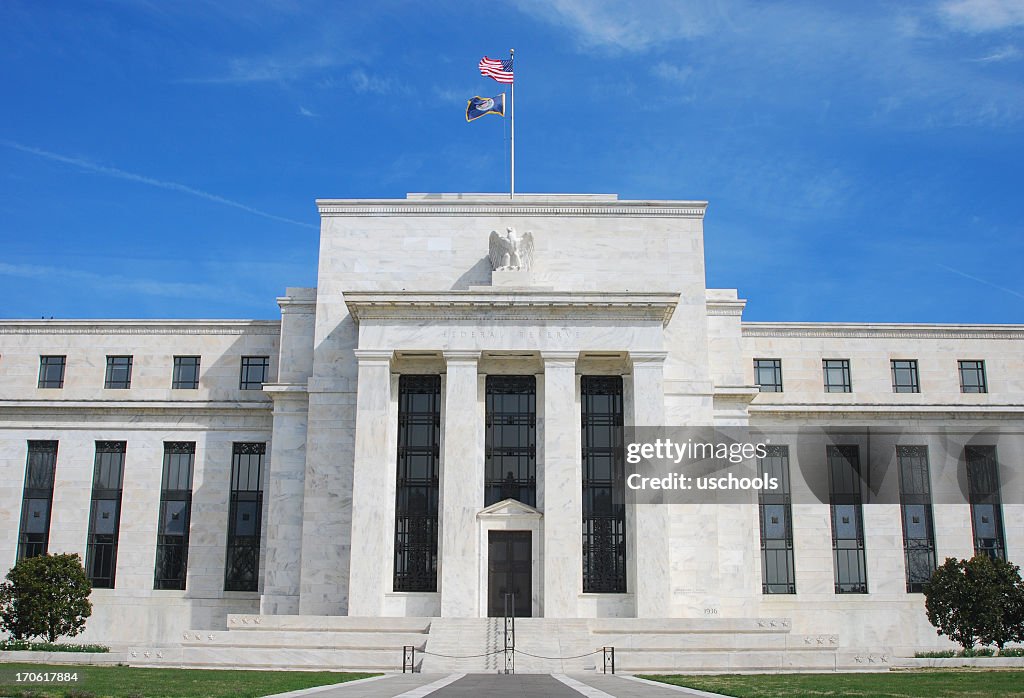
The Federal Reserve’s interest rate decisions are identified as the primary driver of U.S. household affordability for major expenses like mortgages and car loans [1]. When the Fed raises the federal funds rate, it increases banks’ borrowing costs, which are passed to consumers as higher loan interest rates—creating a “second inflation” effect where monthly payments rise even if asset prices remain stable [1].
Market data from the 10 trading days leading up to the article (November 25 to December 9, 2025) shows major indices were relatively flat: S&P 500 (^GSPC) ended at 6,840.50, NASDAQ Composite (^IXIC) at 23,576.49, and Dow Jones Industrial Average (^DJI) at 47,560.30 [0]. This flat performance reflects investor caution ahead of the Fed’s two-day FOMC meeting (beginning December 9), as clarity on future rates is a key market catalyst [1].
Politically, the affordability crisis has become a significant liability for President Trump. A Fox News survey found 76% of voters rate the economy negatively, with twice as many blaming Trump as former President Biden [1]. Democrats successfully leveraged affordability themes in recent state and local elections, indicating this issue will likely remain central in future campaigns [1].
- The “second inflation” phenomenon—where stable asset prices mask rising borrowing costs—highlights a gap between traditional inflation metrics and actual household financial strain [1].
- Investor caution ahead of the Fed’s decision has created market stagnation, demonstrating how monetary policy uncertainty directly impacts near-term market sentiment [0].
- The disconnect between presidential economic claims and voter perception of affordability underscores the political salience of household financial concerns beyond headline economic indicators [1].
- Risks: Prolonged high interest rates could further reduce household disposable income, delay homeownership and major purchases, and prolong market uncertainty [1]. A failure to cut rates may exacerbate voter dissatisfaction, amplifying political risks for the administration [1].
- Opportunities: Fed rate cuts could improve affordability by reducing monthly loan payments, boost consumer spending, and lift market sentiment [1]. For political actors, focusing on tangible affordability solutions may resonate with disaffected voters [1].
The Fed’s upcoming rate decision is a critical event shaping both household finances and market dynamics. High borrowing costs have strained American households despite stable asset prices, contributing to widespread negative economic sentiment. Major markets are in a holding pattern as investors await policy clarity, while the affordability crisis has emerged as a key political issue. Specific data gaps include current mortgage/car loan rate figures and the Fed’s potential rationale for maintaining high rates. No investment recommendations are provided.
Insights are generated using AI models and historical data for informational purposes only. They do not constitute investment advice or recommendations. Past performance is not indicative of future results.