
U.S. Consumer Stocks Surge Despite Subdued Consumer Sentiment: Disconnect Analysis
Related Stocks
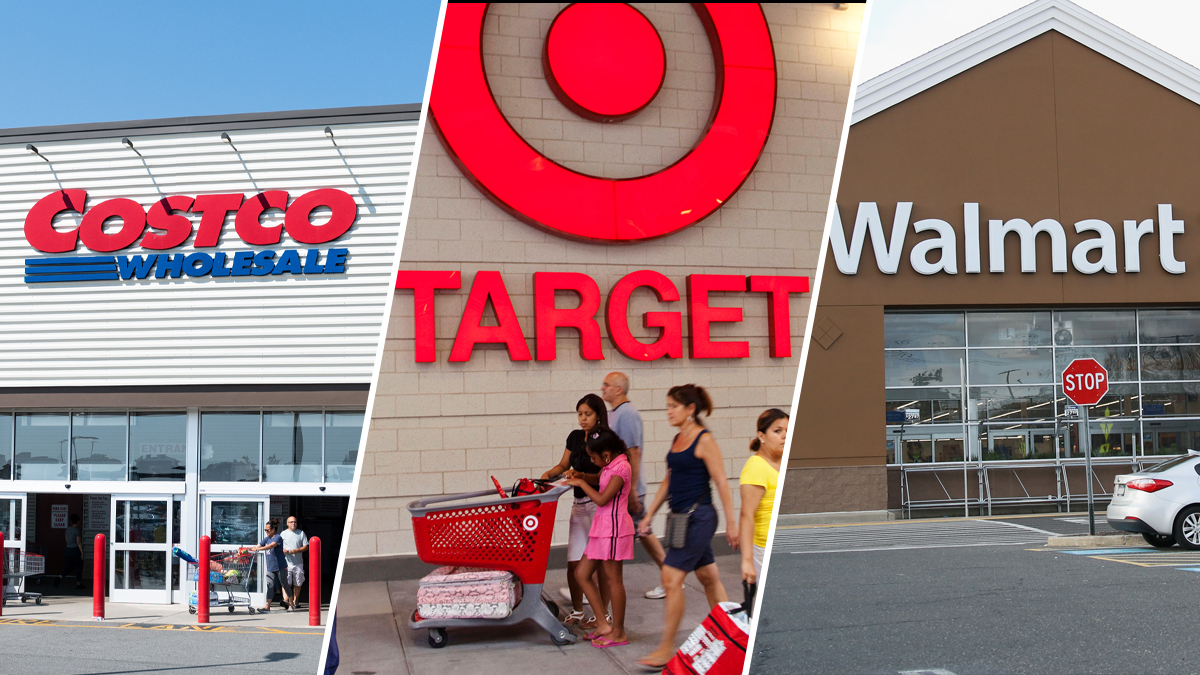
On December 8, 2025, Seeking Alpha published an analysis highlighting a disconnect between subdued U.S. consumer sentiment and robust performance of a select basket of consumer stocks [1]. From October 1 to December 8, 2025, the equally weighted basket—including Walmart (WMT), Target (TGT), Costco (COST), BJ’s Wholesale (BJ), Dollar General (DG), Dollar Tree (DLTR), and Five Below (FIVE)—surged approximately 10.15% [0]. Discount retailers led the gains: DLTR (+28.35%), DG (+20.35%), and FIVE (+13.41%), while wholesale players BJ (-1.98%) and COST (-3.84%) lagged [0].
This performance coincided with historically low consumer sentiment, as measured by the University of Michigan index, which stood at 53.3 in December 2025 (preliminary) [2]. Boomers were noted to be particularly dissatisfied, likely due to retirement affordability challenges and stock market declines [3][7]. Despite this, the stocks benefited from strong earnings beats and raised guidance: DG’s Q3 2025 EPS rose 43.8%, DLTR’s Q3 EPS increased 12%, and WMT’s fiscal Q3 EPS grew 14% [0]. Key drivers included share gains among higher-income households (DG: disproportionate growth from >$100k; DLTR: 3 million new households, 60% from >$100k; WMT: 75% share gains from >$100k), effective cost management (inventory optimization, shrink reduction), and strategic initiatives (digital expansion, omnichannel operations) [0].
- Disconnect Driver: Higher-Income SpendingThe gap between sentiment and stock performance is largely explained by strong spending from higher-income households, which are driving retail sales growth even as overall sentiment is dragged down by boomer-specific concerns [0].
- Discount Retail ResilienceDiscount retailers (DLTR, DG, FIVE) outperformed wholesale counterparts (COST, BJ), reflecting consumer demand for value and effective operational execution by discount chains [0].
- Sentiment-Spending MisalignmentBoomers’ low sentiment, tied to retirement and market concerns, may not accurately reflect broader consumer spending trends, particularly among higher-income demographics [3][7].
- Risks: A prolonged decline in consumer sentiment could eventually impact aggregate spending [2]; increased retail competition may erode market share gains; supply chain disruptions could affect margins; and macroeconomic volatility (interest rates, inflation) may alter consumer behavior [0][1].
- Opportunities: Companies with successful cost management, higher-income consumer focus, and strategic digital/omnichannel initiatives (WMT, DG, DLTR) may continue to drive performance [0].
This analysis synthesizes data on the disconnect between U.S. consumer sentiment and consumer stock performance from October 1 to December 8, 2025. The basket of seven stocks rose ~10.15%, led by discount retailers, driven by strong earnings, higher-income share gains, and operational efficiency. Subdued consumer sentiment (Michigan index 53.3) is largely attributed to boomer-specific retirement and market concerns, which may not align with current spending patterns. Decision-makers should monitor sentiment trends, competitive dynamics, and macroeconomic factors to assess long-term sustainability.
Insights are generated using AI models and historical data for informational purposes only. They do not constitute investment advice or recommendations. Past performance is not indicative of future results.