
Analysis: Dividend Stocks as Bond Alternatives Amid Expected Treasury Yield Declines (Barron’s Report)
Related Stocks
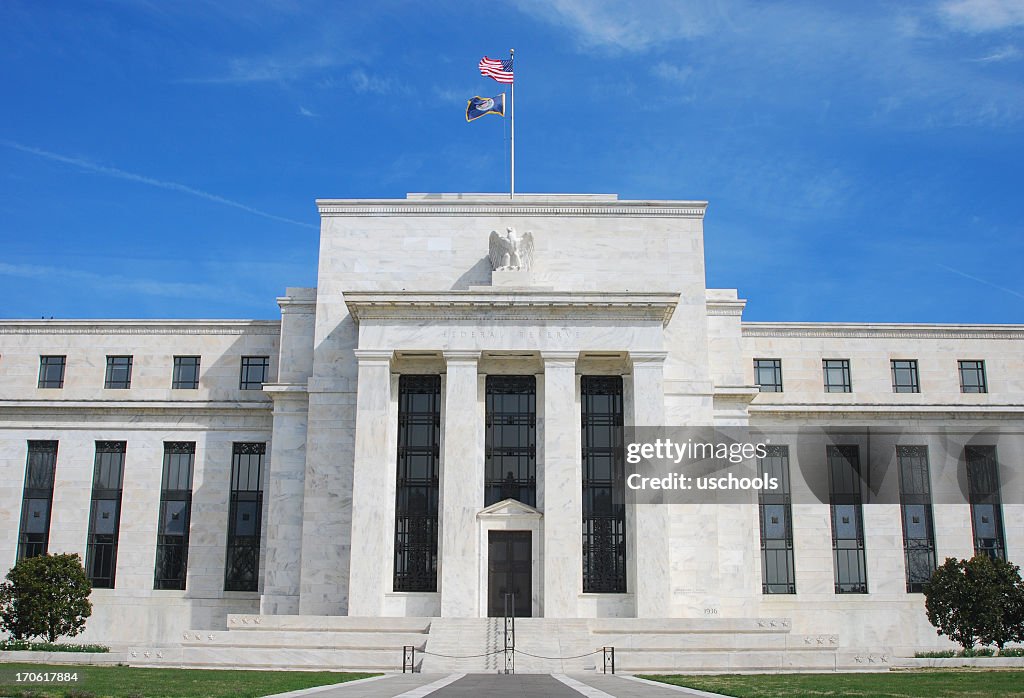
This analysis is based on Barron’s article published on December 8, 2025, which posits that dividend stocks with high, sustainable payouts are becoming attractive alternatives to bonds amid anticipated declines in Treasury yields [1]. The article’s release coincides with a Federal Reserve (Fed) meeting held December 8-10, 2025, where markets expected a 0.25% rate cut—the third such cut of the year [0]. Current Treasury yield data shows the 10-year Treasury yield (^TNX) closed at 4.17% on December 8, 2025, representing a 3.73% increase over the prior 30 days [0]. However, market expectations of Fed rate cuts have led investors to anticipate lower yields in the future, which underpins the article’s thesis.
The article mentions several dividend stocks as examples, including Campbell Soup Company (CAG) with an 8.2% yield, Altria Group (MO) with a 7.3% yield, and Verizon Communications (VZ), which likely has a high yield [1]. On the day of the article’s release (December 8, 2025), these stocks exhibited mixed performance: CAG increased by 0.38%, MO rose by 0.22%, while VZ declined by 0.91% [0]. Dividend-heavy sectors, including Consumer Defensive, Utilities, and Real Estate, were also down slightly on the day [0].
- Timing Relevance: The article’s publication during the Fed meeting week enhances its market impact, as investor focus is heavily on interest rate policy and its implications for asset class returns.
- Sustainable Yield Emphasis: A critical distinction in the article’s argument is its focus on dividend sustainability rather than just high yields, which mitigates the risk of dividend cuts that can erode stock performance.
- Forward-Looking Thesis: The contrast between recent 30-day Treasury yield increases and expected future declines highlights the article’s forward-looking perspective, rooted in monetary policy expectations rather than current yield levels.
- Differentiated Investor Reactions: The mixed daily returns of the cited stocks (CAG, MO, VZ) on December 8 indicate that investor sentiment towards dividend stocks varies by company, likely reflecting differing views on fundamentals and yield sustainability.
- Opportunities: Dividend stocks with sustainable high yields may outperform bonds if Fed rate cuts materialize, leading to lower Treasury yields. This scenario could attract fixed-income investors seeking enhanced returns [1].
- Risks:
- Fed Policy Uncertainty: If the Fed does not cut rates as expected, Treasury yields could remain elevated or rise further, reducing the relative attractiveness of dividend stocks [0].
- Incomplete Sustainability Data: The article only partially details metrics supporting the sustainability of the cited stocks’ dividends, creating a gap in long-term performance assessment [1].
- Sector Volatility: Dividend-heavy sectors (e.g., Utilities, Real Estate) are historically sensitive to interest rate changes; even with expected cuts, short-term volatility remains a risk [0].
- Company-Specific Headwinds: The 0.91% decline in VZ on December 8 underscores that individual stocks may face unique challenges, regardless of broader dividend stock themes [0].
This analysis synthesizes Barron’s thesis on dividend stocks as bond alternatives, the concurrent Fed meeting context, and market data on Treasury yields and stock performance. The article’s focus on sustainable high yields, published during a pivotal Fed meeting, provides timely context for investors evaluating asset allocation. The cited stocks (CAG, MO, VZ) exhibited mixed performance on the day of the article’s release, reflecting varied investor sentiment. While anticipated Fed rate cuts suggest potential opportunities for dividend stocks, risks remain, including policy uncertainty, incomplete dividend sustainability metrics, and sector volatility.
Insights are generated using AI models and historical data for informational purposes only. They do not constitute investment advice or recommendations. Past performance is not indicative of future results.