
U.S. Dollar Weakens Amid Fed Rate Cut Expectations, Raising 2026 Trajectory Uncertainty
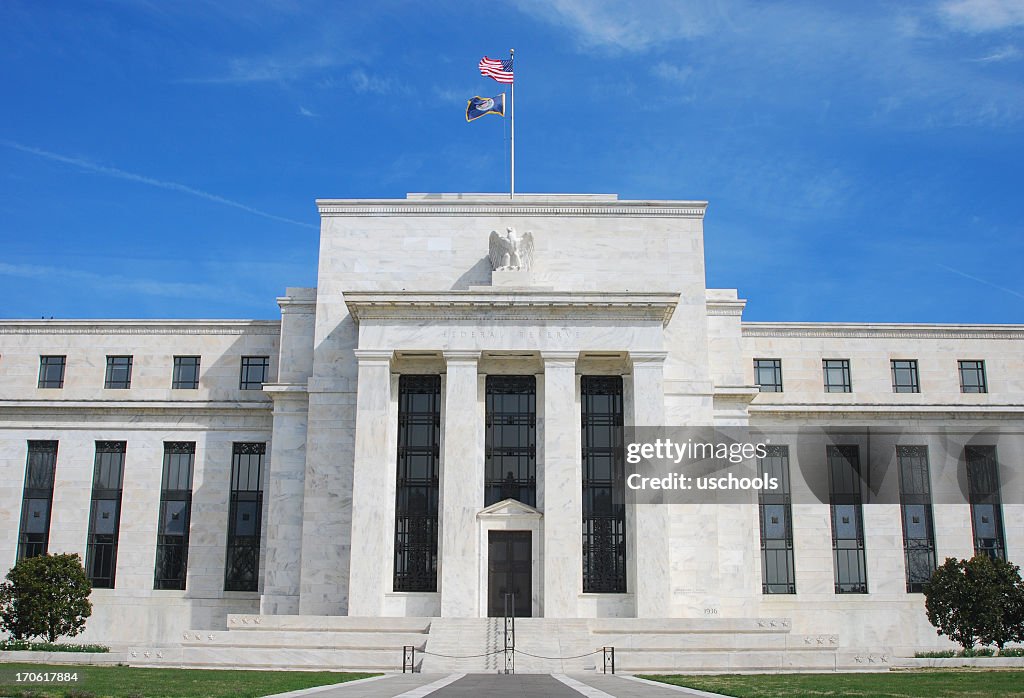
This analysis is based on a December 8, 2025 Benzinga report [6], which detailed the U.S. dollar’s weakening against G10 currencies. The primary drivers were softer private employment data, mixed labor indicators, and the Fed’s preferred inflation gauge (PCE) dropping to its lowest year-on-year level since May 2025 [6]. These factors reinforced market expectations of a Fed rate cut, with the CME FedWatch tool showing varying probabilities (87.4% per Yahoo Finance [1][2][3] and ~90% per Benzinga [6]) of a 25bps cut in December 2025, shifting focus from the near-term cut to the Fed’s 2026 easing trajectory [6].
In the forex market, the dollar’s weakness led to a rotation into higher-beta currencies like the Australian Dollar (AUD) (buoyed by RBA tightening expectations) and Canadian Dollar (CAD) (supported by strong Canadian labor data), while defensive currencies such as the Swiss Franc (CHF) underperformed as risk sentiment improved [6]. For equities, major U.S. indices (S&P 500, Nasdaq, Dow Jones) showed mixed performance in the first week of December: the Dow Jones rose 1.08% on December 3 amid rate-cut optimism, but all three closed lower on December 8, likely reflecting profit-taking ahead of the Fed’s decision [0]. Sector-wise, Financial Services (+0.36%) outperformed on December 8, potentially due to expected rate cuts reducing long-term borrowing costs, while Communication Services (-1.87%) and Basic Materials (-1.82%) lagged [0].
- Cross-Asset Interconnectedness: Rate cut expectations simultaneously drove forex rotation, equity volatility, and sector performance, demonstrating the broad market impact of monetary policy signals.
- Focus Shift to Long-Term Trajectory: The market’s emphasis transitioned from the near-certain December 2025 cut to the Fed’s 2026 easing path, making the upcoming Fed meeting’s dot plot and member speeches critical for future asset price direction.
- Policy Divergence Risks: Divergent central bank actions (e.g., RBA tightening vs. Fed easing) could increase forex volatility in 2026, with implications for global trade and multinational company earnings.
- Risks:
- Rate Cut Expectation Mispricing: If the Fed forgoes a December cut or signals a slower 2026 easing pace, the dollar could rebound sharply, causing losses for investors positioned for dollar weakness [6].
- Global Policy Divergence: Differing central bank policies may amplify forex volatility, disrupting global supply chains and corporate earnings [6].
- Inflation Reacceleration: A potential rebound in inflation could force the Fed to reverse rate cuts, destabilizing market expectations and asset prices [6].
- Opportunities: A weaker U.S. dollar may benefit U.S. exporters by making their goods more competitive in international markets [6].
Critical metrics and context from the analysis include:
- CME FedWatch December 2025 rate cut probabilities: 87.4% [1][2][3] to ~90% [6]
- DXY (US Dollar Index) daily change on December 8: -0.1% to 98.866 [5]
- December 3 Dow Jones performance: +1.08% [0]
- December 8 sector performance: Financial Services (+0.36%) top, Communication Services (-1.87%) worst [0]
Information gaps include missing 2026 Fed rate projections, intraday DXY data around the event timestamp, and clear links between currency movements and sector performance. This analysis is for informational purposes only and does not constitute investment advice. Decision-makers should conduct additional research and consult financial professionals before acting.
Insights are generated using AI models and historical data for informational purposes only. They do not constitute investment advice or recommendations. Past performance is not indicative of future results.