
Weekly Market Overview: Fed Meeting, China’s $1T Trade Surplus, and Central Bank Developments
Related Stocks
This report synthesizes insights from the Bloomberg video [1] and market data [0] ahead of the December 8, 2025 trading week. Last week (December 1–5), U.S. equity markets showed muted performance: the S&P 500 closed at 6,870.40 (+0.06%), Nasdaq at 23,578.13 (+0.04%), Dow at 47,954.99 (+0.16%), and Russell 2000 at 2,521.48 (-0.35%) [0]. Sector performance was led by Real Estate (+1.38969%) amid rate cut expectations, while Utilities (-2.05231%) underperformed [0].
Key catalysts driving this week’s market focus include:
- China’s trade surplus surpassing $1 trillion for the first time through November, with November exports rising 5.9% year-over-year despite a 29% drop in U.S. shipments, exceeding the 2024 full-year record [2][3][4].
- ECB Board Member Isabel Schnabel’s comment that the ECB’s next move may be a rate hike (not cut) due to persistent inflation risks, though not in the near term [5].
- Kevin Hassett emerging as the leading candidate to replace Jerome Powell as Fed Chair, with President Trump expected to nominate a candidate in early 2026 [6][7].
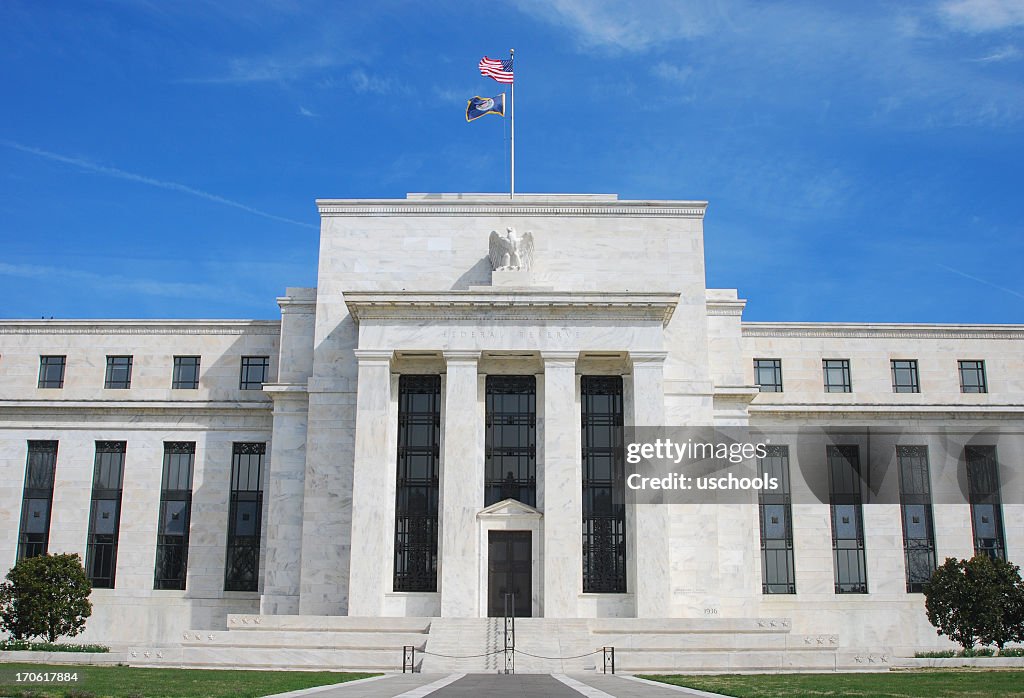
- The Fed’s December FOMC meeting (December 9–10), where markets price an 84% chance of a 25-basis-point rate cut; the meeting will include the Summary of Economic Projections (SEP) guiding 2026 policy expectations [8][9][10].
Upcoming earnings reports from Oracle (ORCL), Broadcom (AVGO), GameStop (GME), Costco (COST), Adobe (ADBE), and AutoZone (AZO) are also expected to impact individual stock performance this week [0].
- China’s record trade surplus, despite declining U.S. shipments, highlights the resilience of its export sector to geopolitical tensions, potentially influencing global supply chain dynamics and trade policy discussions [2][3][4].
- The Fed’s anticipated rate cut, coupled with the SEP release, could drive the S&P 500 to new all-time highs if the policy outlook aligns with market expectations [8][9][10].
- Kevin Hassett’s potential nomination as Fed Chair has already shifted market sentiment towards a more dovish 2026 policy, indicating that leadership changes can pre-emptively impact asset prices [6][7].
- The ECB’s inflation warning contrasts with U.S. rate cut expectations, creating divergent global monetary policy outlooks that may increase cross-border market volatility [5].
- FOMC division: Five voting members oppose further easing, which could lead to a hawkish statement or no cut, disappointing markets [8][9].
- Escalating U.S.-China trade tensions: Persistent declines in U.S.-China shipments may prompt new tariffs, disrupting global trade [2][3][4].
- Global inflation concerns: The ECB’s warning could weigh on European markets, spilling over to U.S. indices [5].
- Fed rate cut and SEP: A dovish policy outcome could push the S&P 500 to record highs, benefiting equity markets [8][9][10].
- Earnings season: Reports from tech (ORCL, AVGO, ADBE) and retail (COST, AZO) sectors may reveal growth opportunities in these industries [0].
This week’s market focus centers on the Fed FOMC meeting (December 9–10) and its policy implications, China’s historic trade surplus, central bank leadership potential changes, and upcoming earnings reports. Major indices closed last week with modest gains, with Real Estate leading sectors. Market participants should monitor FOMC statements, SEP projections, and earnings releases for insights into 2026 market direction and sector-specific opportunities.
Insights are generated using AI models and historical data for informational purposes only. They do not constitute investment advice or recommendations. Past performance is not indicative of future results.