
Macron’s Call for European Tariffs Against China: Trade Dynamics and Policy Comparisons
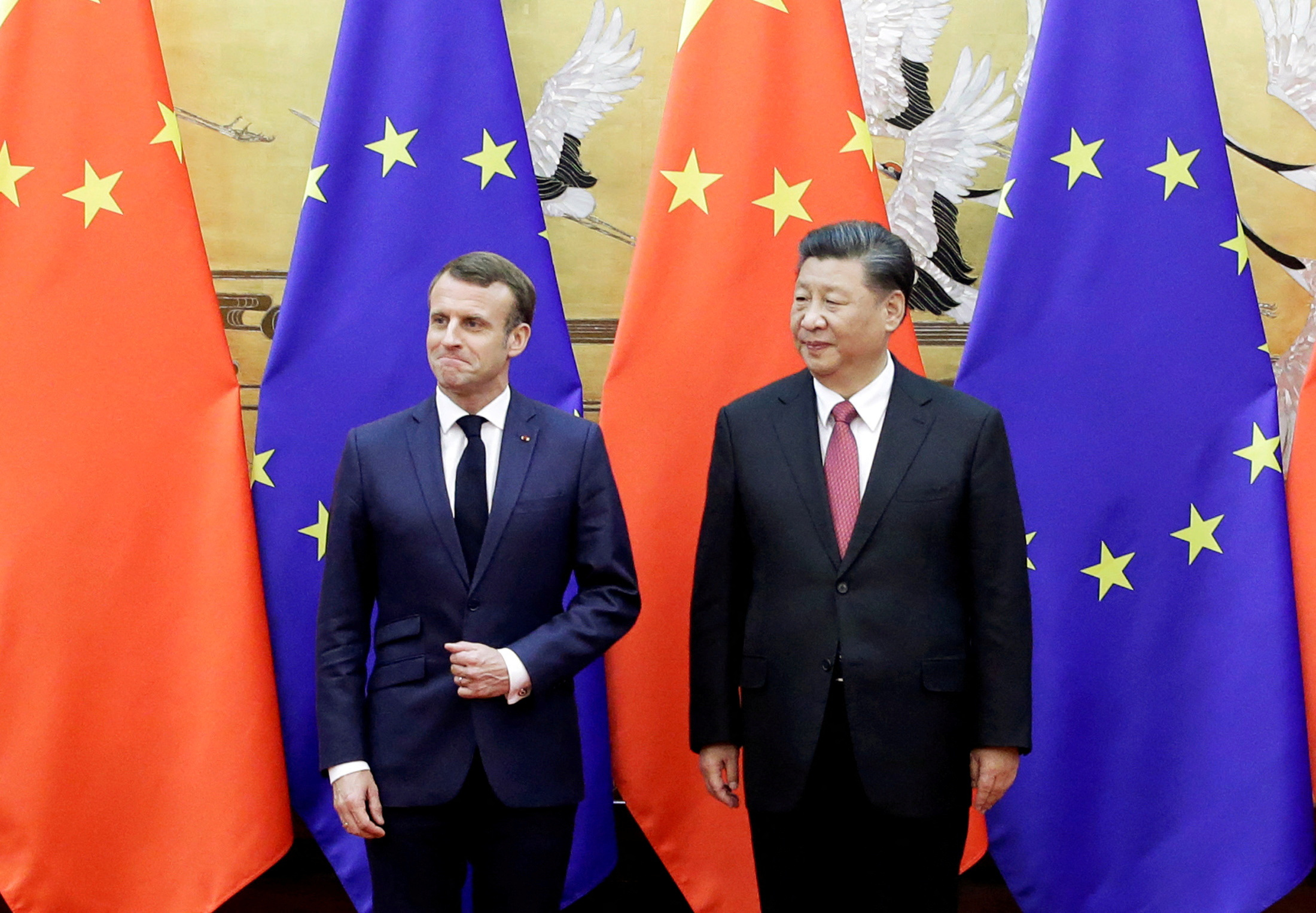
This analysis is based on a Reddit post dated December 7, 2025 [0], which discussed French President Macron’s call for European tariffs against China, framed as a shift from his past free trade advocacy. Macron’s proposal responds to widening trade imbalances: France’s 2024 deficit with China reached nearly €20 billion [2], and the EU-wide goods deficit with China hit $295.2 billion in the same year [3]. While the Reddit OP highlighted a perceived shift, analyst data reveals Macron’s stance is nuanced: he backed free trade for the Mercosur deal [8] but has long supported EU protectionism against China, including endorsing electric vehicle (EV) tariffs in 2024 [7].
The Reddit discussion’s most popular argument (score 79) criticized Trump’s tariff strategy for targeting allies (Canada, Mexico) with inconsistent rates, leading to retaliatory measures [4]. In contrast, Macron’s proposal focuses solely on China, aligning with a lesser-supported but notable Reddit point (score 14) that selective tariffs can be useful if implemented competently. However, concerns about consumer price increases (score 9) are validated by studies showing tariffs are largely passed on to consumers; U.S. households incurred an extra $1,200–$1,277 annually during similar tariff measures [5][6].
- Macron’s “shift” is context-dependent: His free trade advocacy applied to global deals like Mercosur, not China, where he has long pushed for a “robust European front” [1].
- Targeted vs. broad tariffs matter: The Reddit consensus distinguishes Trump’s incompetent, ally-targeted approach from the potential effectiveness of EU’s China-only tariffs, though implementation remains critical.
- EU unity is at risk: Germany, which relies heavily on trade with China, has urged caution, highlighting potential division over the tariff proposal [2].
- EU trade tools are already active: The EU opened 15 investigations and imposed duties on 18 Chinese products in 2025, indicating a growing willingness to address unfair trade practices [2].
- Risks:
- Chinese retaliation targeting EU exports (e.g., French cognac, German automobiles) could harm European industries [7].
- Higher prices for Chinese-imported goods may reduce European household spending [5][6].
- Disunity among EU member states with varying trade dependencies on China could undermine the proposal [2].
- Opportunities:
- Protecting European industries from Chinese subsidies and overproduction could support domestic growth [1].
- A targeted, China-focused approach may avoid the widespread economic disruption caused by Trump’s broad tariffs [4].
Macron’s December 7, 2025, call for EU tariffs against China reflects longstanding EU concerns over trade imbalances and perceived unfair Chinese trade practices. The Reddit discussion emphasizes the importance of competent implementation, criticizing Trump’s broad tariff strategy while acknowledging tariffs can be a useful policy tool when targeted. Analyst data shows potential economic trade-offs (industry protection vs. consumer prices) and political risks (EU unity, Chinese retaliation). The EU’s proactive use of trade tools in 2025 indicates a growing shift toward addressing China’s trade practices, though the path forward remains uncertain.
Insights are generated using AI models and historical data for informational purposes only. They do not constitute investment advice or recommendations. Past performance is not indicative of future results.