
Fed FOMC Meeting Preview: Potential Market Regime Shift and Rate Impact Analysis
Related Stocks
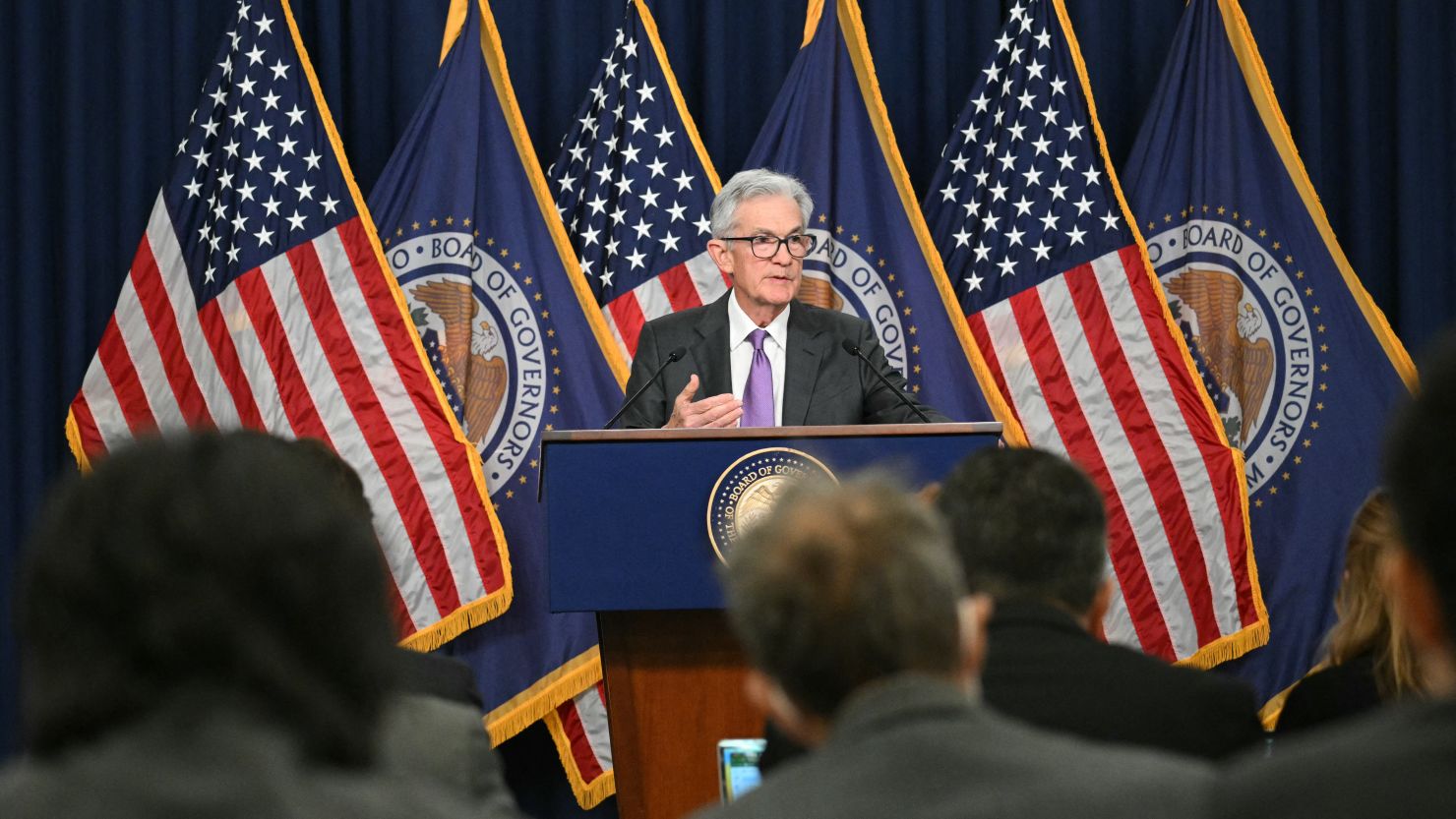
A Seeking Alpha article [1] published on December 7, 2025, previews the upcoming December 10, 2025 FOMC meeting, forecasting a “massive market regime shift” that could drive 30-year Treasury yields toward 7%. The article emphasizes market focus should extend beyond the widely expected 25 bps rate cut to two underappreciated factors: FOMC dissent levels and the updated dot plot. However, December 7 market reactions reveal a disconnect with this bearish prediction: rate-sensitive AGNC Investment Corp. (a mortgage REIT) closed up 1.24% [0] near its 52-week high, and silver prices hit a record high [2]—both reflecting investor optimism for rate cuts. Market expectations (85-90% chance of a December 25 bps cut, with two additional 2026 cuts bringing rates to 3.0-3.25% [3]) contrast sharply with the article’s yield surge forecast. Late November’s 30-year mortgage rate (~6.23% [3]) implies current 30-year Treasury yields are approximately 5.5-6%, meaning a move to 7% would represent a sharp increase with broad economic implications: higher borrowing costs for consumers (mortgages, auto loans) and businesses, downward pressure on rate-sensitive sectors (utilities, long-duration tech stocks, REITs), and reduced demand in the housing market due to elevated mortgage rates.
- Market Sentiment Disconnect: The market’s current pricing of rate cuts (AGNC up, silver at record highs) suggests limited immediate concern about the article’s 7% yield prediction [0, 2, 3].
- Underappreciated FOMC Signals: The article correctly identifies FOMC dissent and the dot plot as critical drivers of long-end yield movements—higher dissent or fewer projected 2026 cuts could trigger a sentiment shift [1].
- Prediction Mechanism Gap: The article lacks explicit explanation for how long-end yields could rise toward 7% despite an expected rate cut, creating uncertainty about the validity of its forecast [1].
- Vulnerability of Rate-Sensitive Assets: Rate-sensitive assets like AGNC remain exposed to shifts in long-term yield expectations, even amid near-term bullish sentiment driven by rate cut bets [0, 3].
- Risks: Higher-than-expected FOMC dissent, a dot plot signaling fewer 2026 rate cuts, or signs of re-accelerating inflation could validate the article’s prediction of 7% 30-year yields [1], pressuring rate-sensitive sectors and increasing borrowing costs for consumers and businesses [3].
- Opportunities: If the FOMC delivers the expected 25 bps rate cut and the dot plot confirms two additional 2026 cuts, current bullish sentiment for rate-sensitive assets (AGNC, silver) may persist, supporting their near-term performance [3].
- Core Event: A Seeking Alpha article predicts an FOMC-driven market regime shift with 30-year Treasury yields heading to 7% [1].
- December 7 Market Reactions: AGNC closed 1.24% higher (near 52-week high), silver prices hit a record high [0, 2].
- Rate Cut Expectations: 85-90% chance of a 25 bps December cut, with two more 2026 cuts bringing rates to 3.0-3.25% [3].
- Key Unknowns: Actual FOMC meeting outcomes (dissent levels, updated dot plot), exact 30-year Treasury yield as of December 7, 2025 (implied ~5.5-6% from late November mortgage rates [3]).
- Potential Impact: 7% 30-year yields would increase borrowing costs, pressure rate-sensitive sectors, and reduce housing market demand [1, 3].
Insights are generated using AI models and historical data for informational purposes only. They do not constitute investment advice or recommendations. Past performance is not indicative of future results.