
ECB’s Rehn Highlights Euro Zone Inflation Downside Risks and Urges Ukraine Funding Action
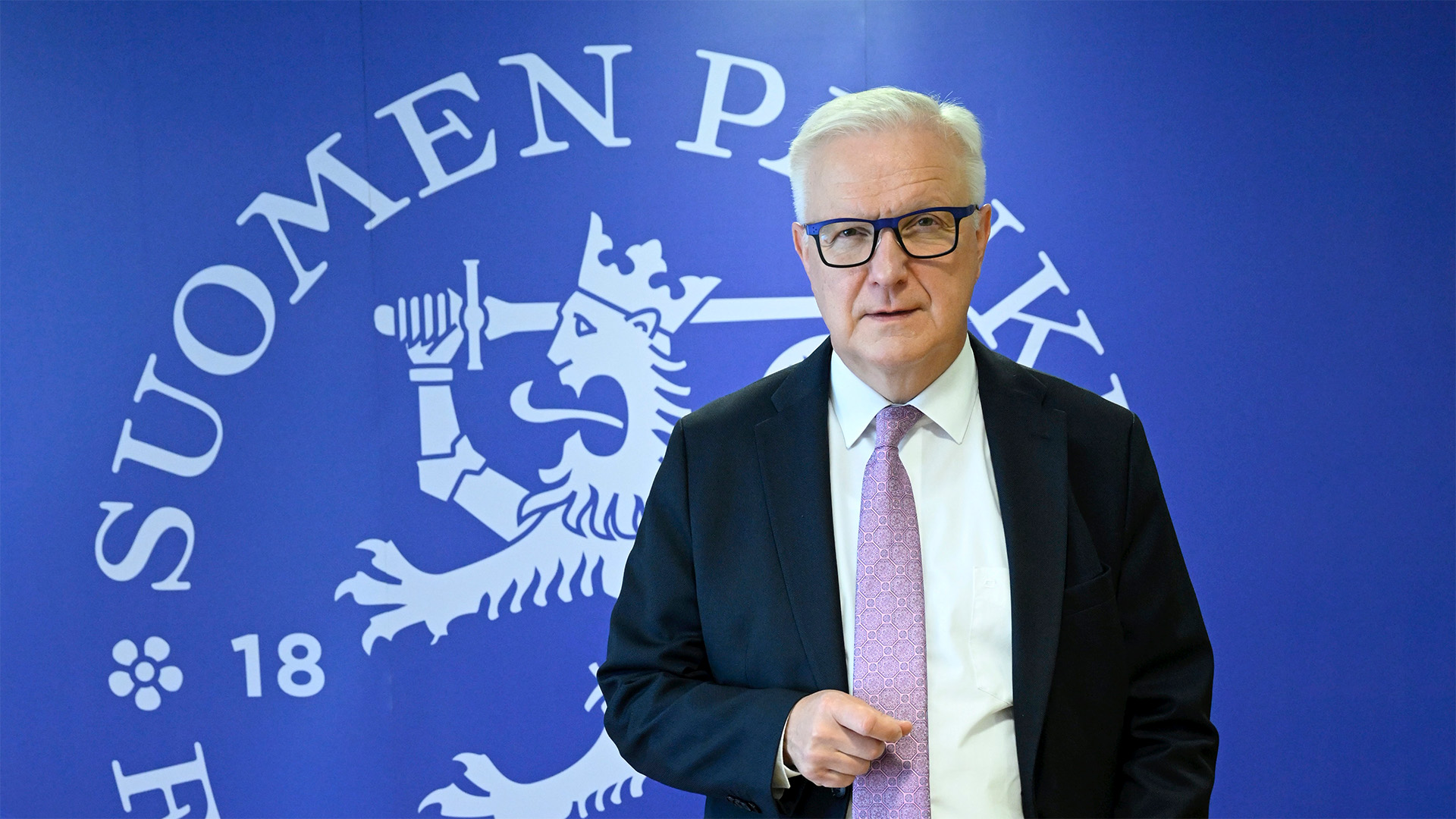
On December 6, 2025, European Central Bank (ECB) Governing Council member and Bank of Finland Governor Olli Rehn stated that the euro zone faces medium-term downside inflation risks despite inflation returning near the ECB’s 2% target [1][6]. The euro zone has seen inflation decline sharply from its 10.6% October 2022 peak to approximately 2% by October 2025 (November 2025 data showed a slight rise to 2.2%) [4], with the ECB cutting rates from a record high of 4% to current levels and noting the easing cycle is near its end [4]. Rehn identified specific deflationary pressures: relatively low energy prices, euro appreciation (which reduces import costs), and expectations of slowing inflation in services and wages [6].
Concurrently, Rehn urged EU leaders to resolve the Ukraine funding impasse. The EU has proposed using ~€210 billion in frozen Russian assets (the majority held at Belgian securities depository Euroclear) to fund Ukraine’s economic and defense needs through a “reparations loan” [3]. However, Belgium opposes the plan due to concerns about legal risks (e.g., Russian lawsuits) and potential harm to euro confidence [2]. Rehn endorses a European Commission proposal under Article 122 (the EU’s emergency clause) to bypass ordinary legislative hurdles and accelerate the funding plan [1][6]. EU leaders will discuss the scheme at a Brussels summit on December 18, 2025 [2].
- Cross-Domain Monetary and Market Impacts: Downside inflation risks may pressure the ECB to maintain or further cut interest rates to avoid deflation [4]. This could lower sovereign bond yields [0] and compress bank net interest margins. Euro appreciation linked to low inflation expectations could harm export-oriented sectors (e.g., German manufacturing) but benefit importers [5].
- Precedent-Setting EU Governance: The Article 122 proposal, if adopted, would expand the EU’s emergency powers, setting a new model for rapid decision-making in geopolitical crises [1][2].
- Global Sanctions Framework Shift: The potential use of frozen Russian assets for Ukraine funding would establish a precedent, potentially altering global norms for economic statecraft and financial sanctions [3].
- Deflationary Pressures: Persistently low inflation could reduce corporate pricing power and hinder economic momentum [6].
- Legal and Reputational Risks: Euroclear faces increased regulatory scrutiny and potential Russian lawsuits if the funding plan proceeds [2][3].
- Euro Confidence Concerns: The plan could erode market trust in euro-denominated assets if perceived as a breach of asset protection norms [2].
- Stimulative Monetary Policy: Lower ECB rates could support economic growth by reducing borrowing costs [4].
- Ukraine Support Resolution: Resolving the funding stalemate would provide critical long-term resources for Ukraine’s recovery and defense [2][3].
- Event: ECB’s Rehn highlights medium-term euro zone inflation downside risks and urges EU action on Ukraine funding via frozen Russian assets.
- Context: Euro zone inflation near the ECB’s 2% target; ongoing ECB rate-cutting cycle; Ukraine funding impasse due to Belgian opposition.
- Impacts: Potential ECB rate adjustments, lower sovereign bond yields, challenges for export sectors, EU governance precedent, global sanctions framework shift, and legal risks for Euroclear. No specific investment recommendations are provided.
Note: This analysis is for informational purposes only and does not constitute investment advice.
Insights are generated using AI models and historical data for informational purposes only. They do not constitute investment advice or recommendations. Past performance is not indicative of future results.