
Analysis of Opening Range Breakout (ORB) Trading Strategy Context and Effectiveness
Unlock More Features
Login to access AI-powered analysis, deep research reports and more advanced features
About us: Ginlix AI is the AI Investment Copilot powered by real data, bridging advanced AI with professional financial databases to provide verifiable, truth-based answers. Please use the chat box below to ask any financial question.
This analysis is based on a 2025-12-05 UTC Reddit discussion content in the Ginlix Analytical Database [0], supported by external trading research. The discussion critiques the widespread presentation of ORB as a standalone signal, emphasizing three core factors that determine its effectiveness:
- ORB as an Execution Method: ORB identifies price breakouts from the initial session range but lacks directional context. Higher timeframe analysis (daily/4-hour) is essential to confirm trend alignment, avoiding counter-trend breakouts which fail 30-50% of the time [1].
- Filtered vs. Unfiltered ORB: Filtered ORB uses criteria like volume >1.5x SMA or price above the 200-day EMA to reduce false signals. Backtests show filtered strategies have 12-34% higher accuracy, though over-filtering can limit profitability [4][5]. Unfiltered ORB requires strict R:R rules (e.g., 1:4) to offset lower win rates (30-40%) [6].
- Volatility Regime Determination: Volatility regimes are identified by comparing current ATR to historical values, alongside volume spikes and price action [7][8]. ORB performs best in high volatility (breakouts extend 2-3x ATR) and fails in low volatility [7][9].
- Contextual Dependence: ORB’s reputation for inconsistency stems from inadequate context (e.g., no higher timeframe trend checks). Trading tools like TradingView’s Breakout Indicator [3] emphasize multi-timeframe confluence to improve ORB success rates.
- Filtering Balance: Traders must balance filter strictness to avoid reducing trade frequency to unprofitable levels while minimizing false signals. A preprint on entropy filtering [4] provides a data-driven framework for this balance.
- Regime Adaptation: Most strategies fail over time without volatility regime identification. Volume and ATR relative to historical data are reliable indicators for adapting ORB to current market conditions [8][10].
- Risks: Retail traders relying on simplistic influencer ORB tutorials face high false breakout rates, leading to significant losses. Over-filtering ORB strategies can also result in missed profitable opportunities due to overly restrictive criteria.
- Opportunities: The discussion’s six contextual factors (structural integrity, volatility regime, momentum behavior, energy build-up, consensus, environmental stability) offer a framework for developing robust ORB systems. Traders can leverage ATR and volume to identify high-probability regimes [9][10].
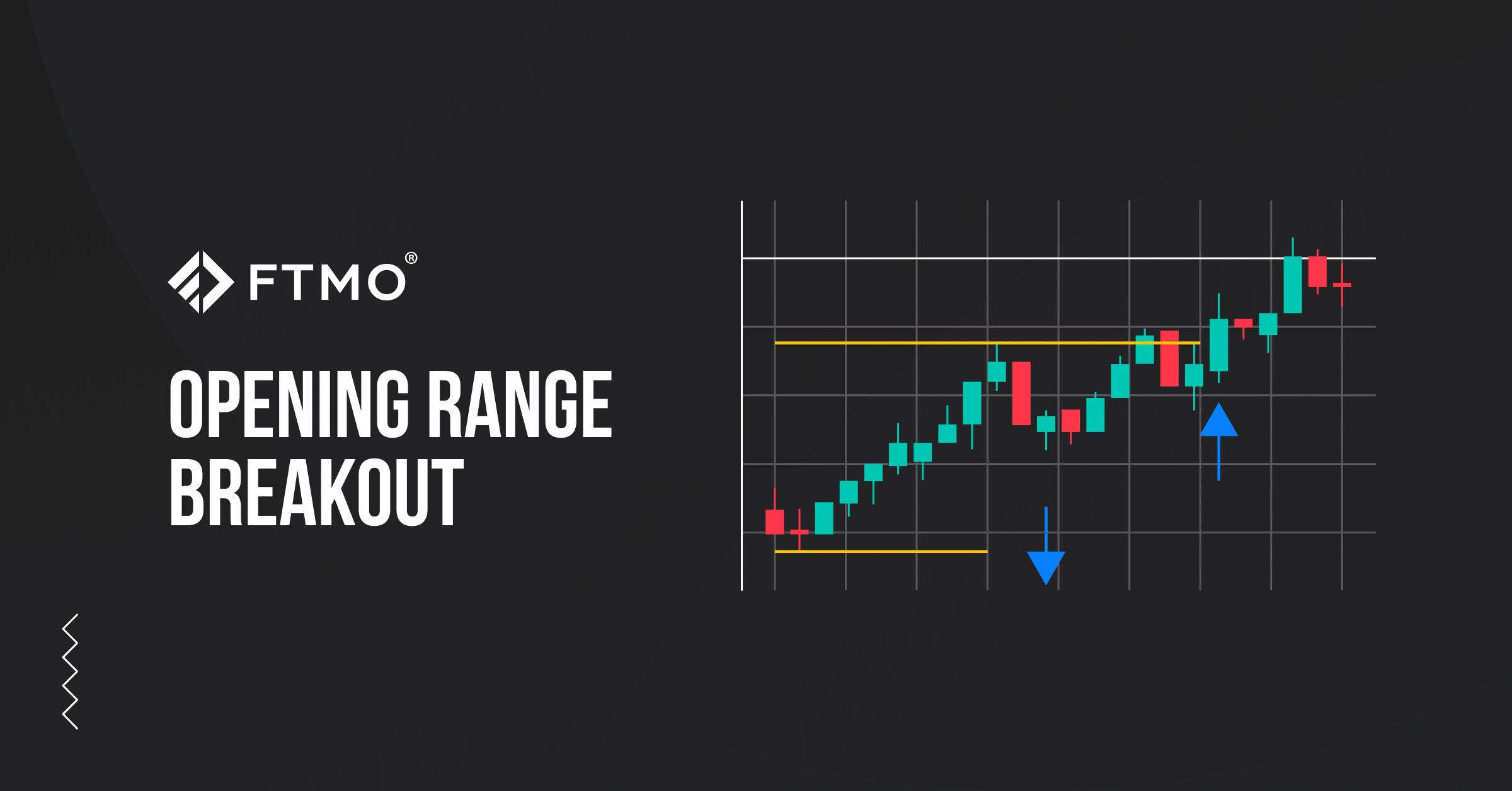
- ORB Definition: Opening Range = initial 5-60 minutes of trading; Breakout = price moves above/below this range [1][2].
- Critical Context: Higher timeframe trend alignment, volatility regime, and volume confirmation are essential for ORB success.
- Best Practices: Filtered ORB with 1:2+ R:R (for unfiltered) reduces risk and improves profitability.
- Caveats: Avoid over-filtering and simplistic tutorials; prioritize multi-timeframe analysis and volatility regime detection.
Insights are generated using AI models and historical data for informational purposes only. They do not constitute investment advice or recommendations. Past performance is not indicative of future results.
About us: Ginlix AI is the AI Investment Copilot powered by real data, bridging advanced AI with professional financial databases to provide verifiable, truth-based answers. Please use the chat box below to ask any financial question.