
IQM Quantum Computers Integrates NVIDIA NVQLink for Scalable Quantum Error Correction
Unlock More Features
Login to access AI-powered analysis, deep research reports and more advanced features
About us: Ginlix AI is the AI Investment Copilot powered by real data, bridging advanced AI with professional financial databases to provide verifiable, truth-based answers. Please use the chat box below to ask any financial question.
Related Stocks
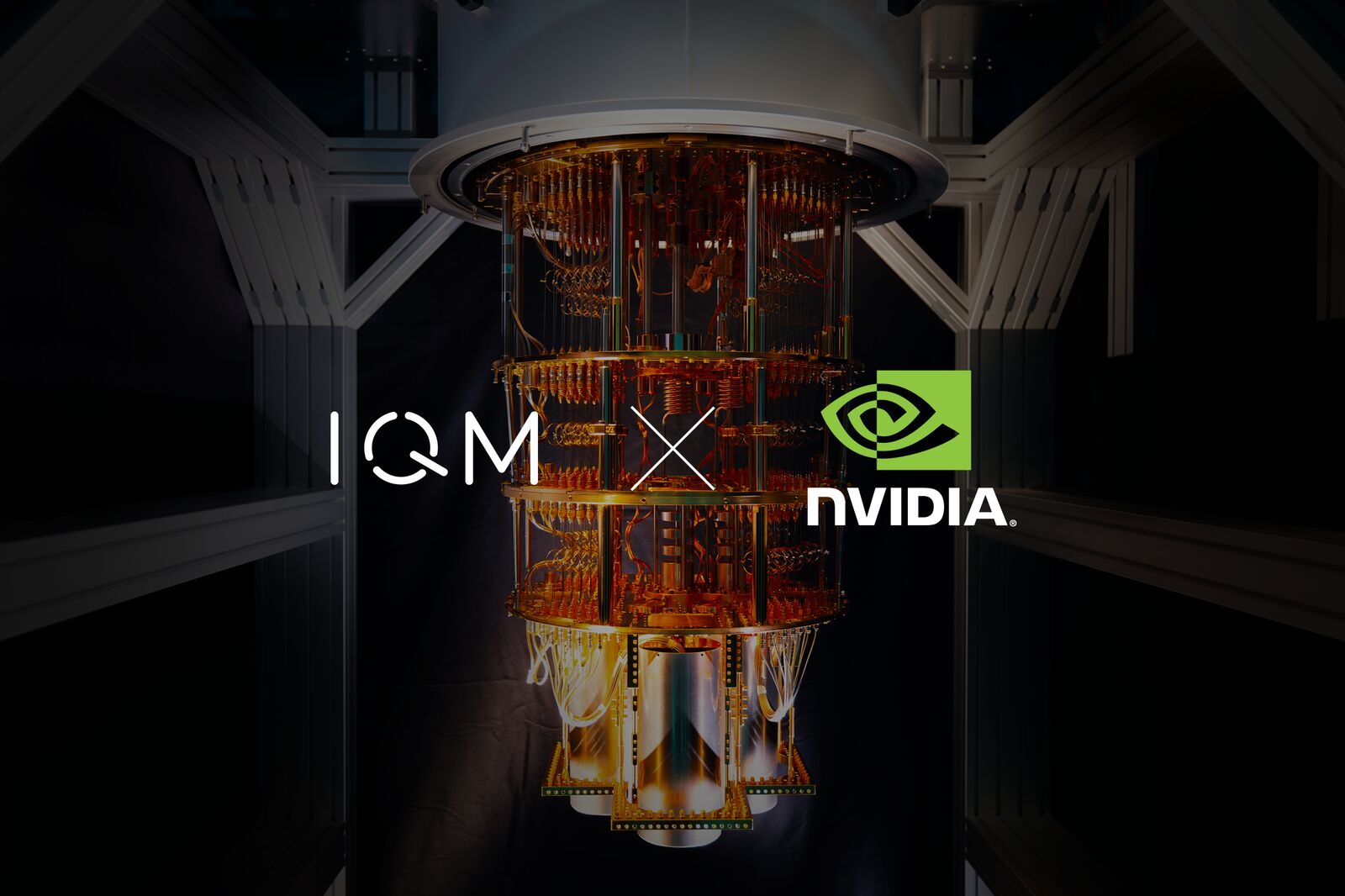
This analysis is based on the Business Wire press release [1] published on October 28, 2025, announcing IQM Quantum Computers’ collaboration with NVIDIA to integrate NVQLink technology for scalable quantum error correction.
The partnership between IQM Quantum Computers and NVIDIA represents a significant technological advancement in the quantum computing industry, addressing one of the most critical barriers to practical quantum applications: error correction at scale. IQM, a European leader in superconducting quantum computers with over 300 employees and global presence [0], will integrate NVIDIA’s NVQLink platform into its quantum systems. NVQLink is an open and interoperable platform integrated with NVIDIA CUDA-Q that provides low-latency, high-throughput connectivity between quantum hardware and AI supercomputing infrastructure [1].
The integration creates a hybrid quantum-classical computing paradigm where quantum processors work in conjunction with GPU-accelerated classical computing resources [0]. This approach enables real-time quantum error correction algorithms to run on classical hardware while processing quantum data, addressing the substantial overhead required for effective error correction in quantum systems [0].
The IQM-NVIDIA NVQLink integration represents a strategically significant development combining superconducting quantum hardware expertise with GPU computing infrastructure. The partnership targets scalable quantum error correction through hybrid quantum-classical computing, positioning IQM within the rapidly growing quantum computing market. While the collaboration addresses critical technical barriers and leverages strong European positioning, success will depend on effective technical execution, competitive differentiation within the NVQLink ecosystem, and timing of commercial quantum computing adoption. The quantum computing market’s projected growth to $57 billion by 2035 suggests significant opportunities, though technical and competitive challenges remain substantial [0].
Insights are generated using AI models and historical data for informational purposes only. They do not constitute investment advice or recommendations. Past performance is not indicative of future results.
About us: Ginlix AI is the AI Investment Copilot powered by real data, bridging advanced AI with professional financial databases to provide verifiable, truth-based answers. Please use the chat box below to ask any financial question.