
Former CEA Chair Furman Opposes December Fed Rate Cut Amid High Market Pricing Expectations
Unlock More Features
Login to access AI-powered analysis, deep research reports and more advanced features
About us: Ginlix AI is the AI Investment Copilot powered by real data, bridging advanced AI with professional financial databases to provide verifiable, truth-based answers. Please use the chat box below to ask any financial question.
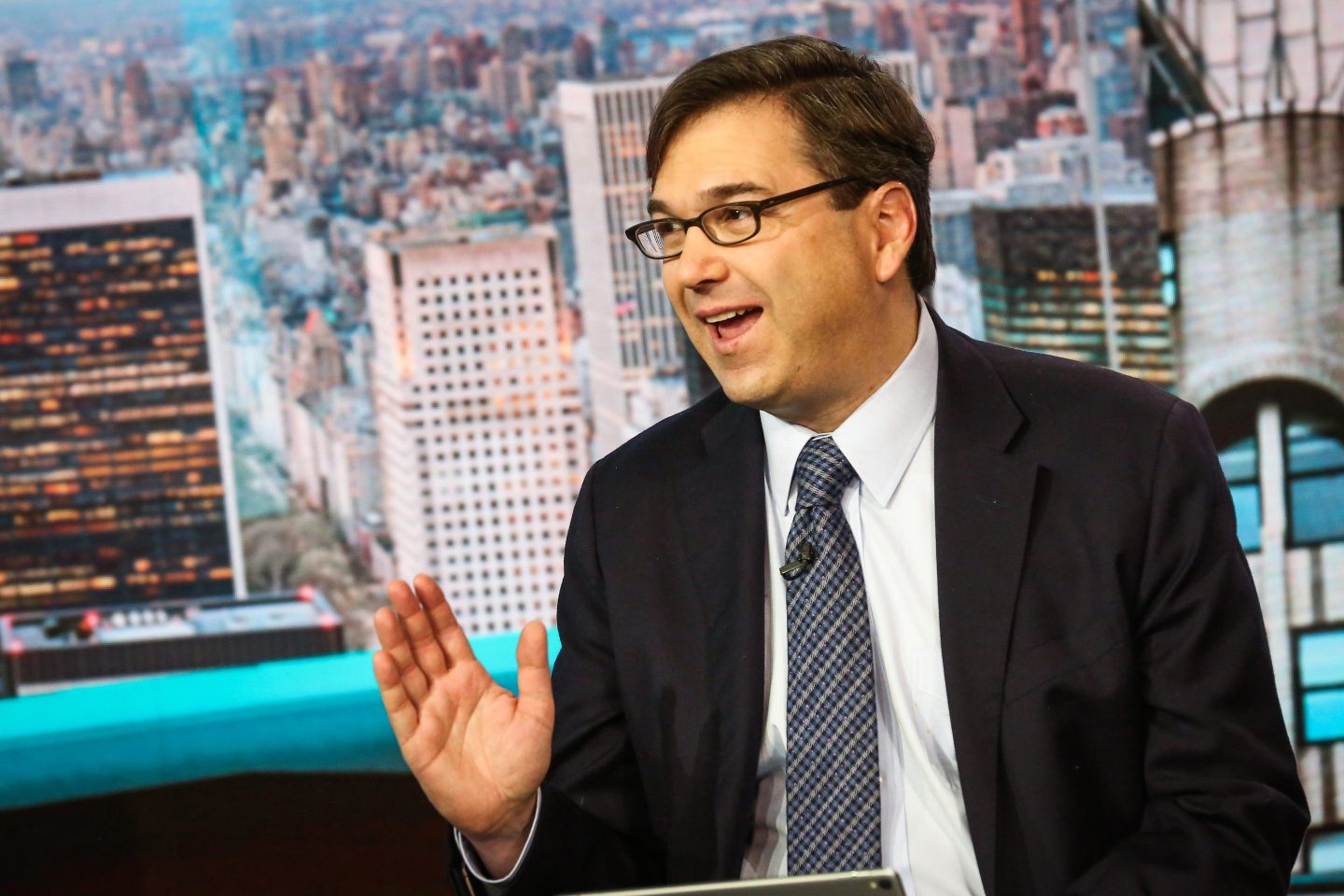
This analysis is based on the December 4, 2025 CNBC segment featuring former Council of Economic Advisers (CEA) chair Jason Furman arguing against a December Federal Reserve rate cut [1]. The pre-event context is critical: On December 3, a weaker-than-expected ADP private payrolls report (-32,000 jobs) caused a surge in market expectations for a 25-basis-point rate cut at the Fed’s December 9–10 meeting, with the CME FedWatch Tool showing ~89% probability [2][3]. This news led to a strong market rally, with the Dow Jones Industrial Average gaining over 400 points (+1.08%), the S&P 500 rising +0.51%, and the NASDAQ Composite up +0.59% [0].
Following Furman’s appearance, U.S. equities pulled back modestly from their December 3 highs: the Dow fell -0.07%, S&P 500 -0.23%, and NASDAQ -0.27% [0]. Despite this reaction, CME FedWatch probabilities remained stable at ~89% for a December cut [4], indicating Furman’s arguments did not immediately shift market sentiment. Notably, a full transcript of Furman’s specific reasoning (e.g., inflation concerns, labor market nuances) was unavailable at the time of analysis, creating an information gap [1].
- Disconnect Between Expert Commentary and Market Pricing: Furman’s opposition to a rate cut did not move CME FedWatch probabilities, highlighting the market’s strong conviction in a December cut following the ADP data [2][4].
- Asymmetric Risk Profile: With ~89% of the rate cut already priced in, there is minimal upside for equities if the Fed delivers as expected. However, a “hold” decision (aligning with Furman’s view) could trigger volatility, particularly for rate-sensitive sectors like real estate and utilities that benefited from the December 3 rally [2].
- Critical Upcoming Catalysts: The delayed Personal Consumption Expenditures (PCE) Index (Fed’s preferred inflation gauge) on December 5 will likely influence final Fed decisions, while the December 10 statement, dot plot, and Chair Powell’s press conference will shape 2026 rate expectations [4].
- Downside Risks: A Fed “hold” decision would be a downside surprise, strengthening the U.S. dollar (which had declined nine consecutive sessions due to cut expectations [5]) and reducing momentum in precious metals (gold above $4,200, silver at a record ~$59 [3]).
- Upside Considerations: If Furman’s arguments (once revealed) highlight unaccounted-for economic strengths, a no-cut decision could stabilize long-term inflation expectations, supporting sustained market health—though this remains speculative due to the information gap [1].
- Catalyst Risk: The upcoming PCE data on December 5 could either reinforce or reverse rate cut expectations, introducing short-term volatility [4].
This event highlights the tension between expert commentary and market pricing regarding the Fed’s December rate decision. Key takeaways include:
- The ADP payrolls report was a major driver of rate cut expectations and the December 3 rally [0][2].
- Furman’s arguments did not immediately shift market sentiment, but a Fed “hold” could trigger significant downside [0][4].
- Upcoming data (PCE, Fed meeting outcomes) are critical for near-term market direction [4].
- The absence of Furman’s full reasoning creates an information gap that warrants further investigation [1].
Insights are generated using AI models and historical data for informational purposes only. They do not constitute investment advice or recommendations. Past performance is not indicative of future results.
About us: Ginlix AI is the AI Investment Copilot powered by real data, bridging advanced AI with professional financial databases to provide verifiable, truth-based answers. Please use the chat box below to ask any financial question.