
BNY Strategist Highlights K-Shaped Economy Risk, Client Shift From Consumer Stocks
Unlock More Features
Login to access AI-powered analysis, deep research reports and more advanced features
About us: Ginlix AI is the AI Investment Copilot powered by real data, bridging advanced AI with professional financial databases to provide verifiable, truth-based answers. Please use the chat box below to ask any financial question.
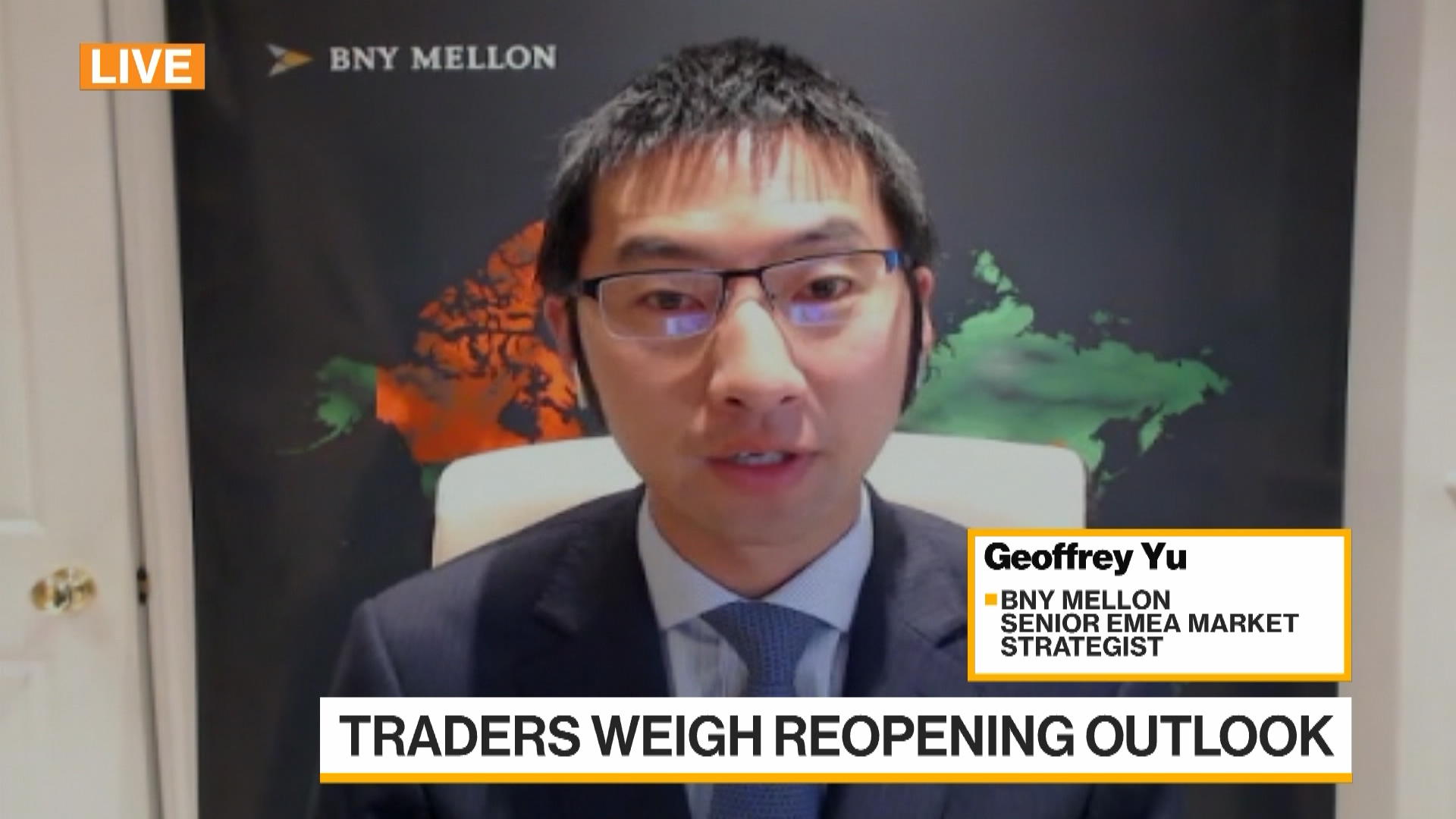
This analysis is based on a Bloomberg Television interview [2][3] where BNY Mellon strategist Geoffrey Yu discussed investors’ growing concern about a K-shaped US economy. A K-shaped economy describes divergent outcomes: high-income consumers maintain or increase spending power, while lower- and middle-income groups face deteriorating financial conditions.
Yu noted that BNY clients are reducing exposure to US consumer-related stocks, including discretionary staples like food production [2][3]. However, as of 2025-12-03 11:11 UTC, Consumer Cyclical (+1.68873%) and Consumer Defensive (+0.84915%) sectors showed positive short-term performance [0], likely due to other factors (e.g., holiday shopping optimism) rather than immediate reaction to Yu’s recent comments. The prior day’s market indices (S&P 500, NASDAQ, Dow Jones) exhibited mixed minor movements, with no observable shift linked to the K-shaped economy risk [0].
Broader economic data supports the K-shaped risk narrative: A Federal Reserve Bank of Boston study found high-income households driving consumption growth, while lower/middle-income groups increased credit card debt and reduced spending [5]. The Fed’s Beige Book also noted “early signs of strain on middle-income consumers” [4], confirming the widening divide.
-
Timing Gap in Market Reaction: Short-term consumer sector gains contrast with long-term institutional positioning shifts, indicating the market may not have fully priced in Yu’s comments yet, given the event’s recent occurrence.
-
Holiday Shopping Trends Align with K-Shaped Risk: Forbes [5] reported holiday shopping trends showing wealthier households maintaining spending habits (supported by stock market returns) while lower/middle-income consumers focus on essentials and deals, mirroring the K-shaped economy dynamics.
-
Sector Divergence Potential: If the K-shaped trend intensifies, high-end/luxury goods, AI-related “Magnificent 7” stocks, and defensive sectors (healthcare, utilities) may outperform, while mass-market consumer staples and discretionary goods could underperform.
- Divergent Consumer Performance: Companies relying on broad consumer spending (e.g., food production, mid-tier retail) may face declining revenues if lower/middle-income spending continues to weaken [4][5].
- Institutional Positioning Shift: A broader reduction in institutional exposure to consumer-related stocks could put downward pressure on these sectors over time [2][3].
- Monetary Policy Uncertainty: The Fed’s response to the K-shaped economy (e.g., rate cuts to support lower-income households) could impact stock valuations differently across sectors [0].
- High-End/Luxury Goods: Stocks catering to high-income consumers may benefit from sustained spending [5].
- Defensive Sectors: Healthcare and utilities could attract safe-haven flows if K-shaped risk intensifies [0].
- AI and Tech Leaders: “Magnificent 7” stocks may continue to perform if supported by high-income consumer demand and economic resilience [0].
- Event: BNY Mellon strategist Geoffrey Yu discussed K-shaped US economy risk, noting client reduction in consumer-related stock exposure [2][3].
- Economic Context: Fed Boston study and Beige Book confirm diverging consumer spending between income groups [4][5].
- Short-Term Market Performance: Consumer Cyclical and Defensive sectors showed gains as of 2025-12-03, with no immediate reaction to Yu’s comments [0].
- Information Gaps: Missing details on the magnitude of client exposure reduction, consensus among strategists, and latest consumer spending data (October/November 2025) [0].
Decision-makers should monitor consumer spending data breakdowns, institutional flow data, and Fed commentary to track K-shaped economy developments.
Insights are generated using AI models and historical data for informational purposes only. They do not constitute investment advice or recommendations. Past performance is not indicative of future results.
About us: Ginlix AI is the AI Investment Copilot powered by real data, bridging advanced AI with professional financial databases to provide verifiable, truth-based answers. Please use the chat box below to ask any financial question.