
Fed Leadership Assessment Amid Record Government Shutdown: Market Impact Analysis
Unlock More Features
Login to access AI-powered analysis, deep research reports and more advanced features
About us: Ginlix AI is the AI Investment Copilot powered by real data, bridging advanced AI with professional financial databases to provide verifiable, truth-based answers. Please use the chat box below to ask any financial question.
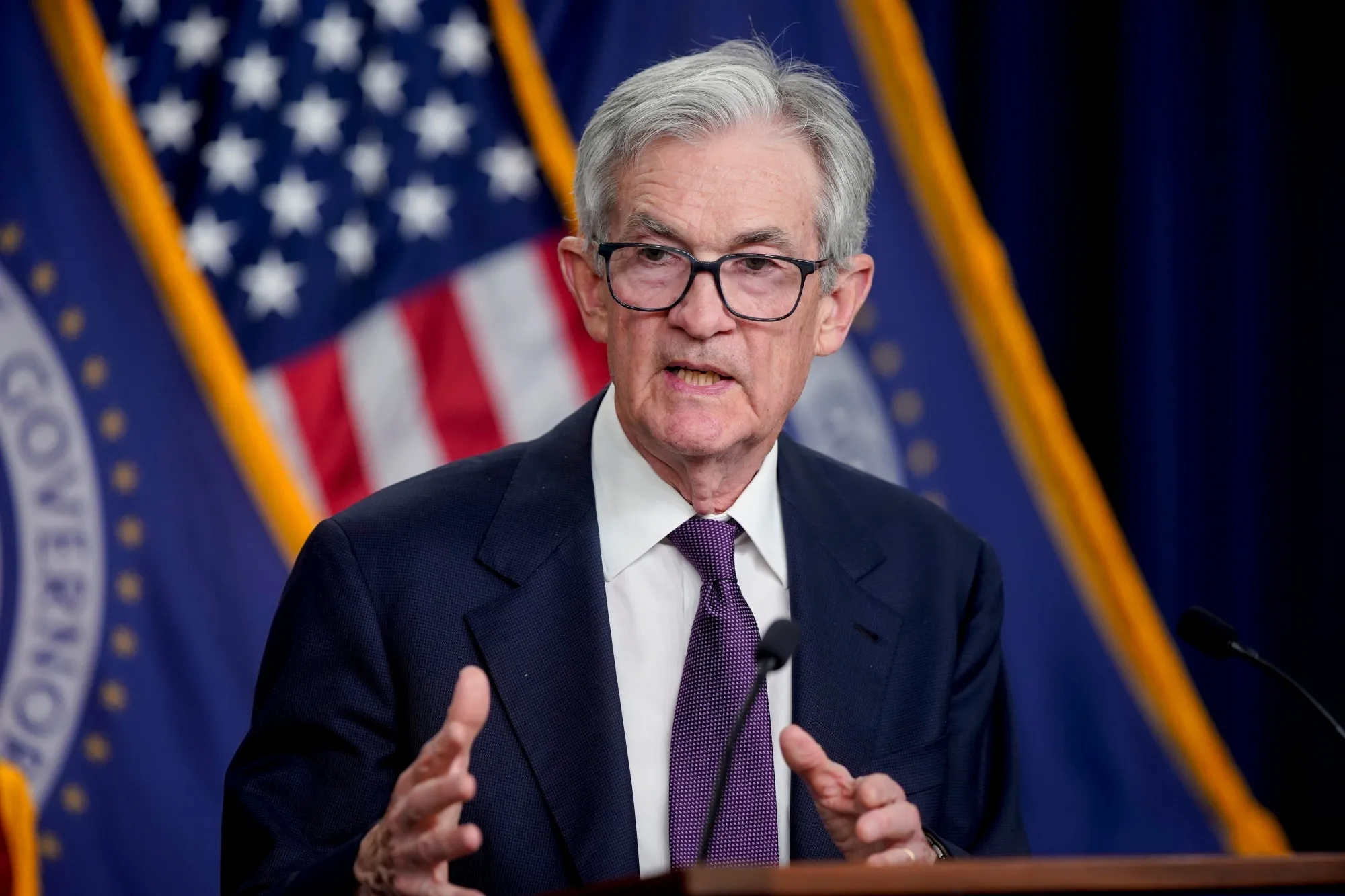
This analysis is based on the Bloomberg Television interview featuring Richard Clarida [1], published on November 4, 2025, during which the former Federal Reserve Vice Chairman defended current Fed Chair Jerome Powell’s leadership amid an unprecedented government shutdown crisis.
The markets demonstrated clear risk aversion on November 4, with major U.S. indices declining across the board [0]. The S&P 500 fell 0.25% to 6,771.55, while the NASDAQ Composite dropped 0.47% to 23,348.64. The Russell 2000 showed the steepest decline at -0.83%, reflecting heightened concerns about small-cap companies during the shutdown [0]. Sector performance revealed defensive positioning, with Consumer Defensive stocks (+0.64%) and Basic Materials (+0.32%) outperforming, while Technology (-0.49%) and Financial Services (-0.74%) underperformed [0].
The 35-day shutdown has matched the longest in U.S. history, creating severe economic consequences [2]. Approximately 42 million Americans lost SNAP benefits averaging $180 monthly, while federal workers including law enforcement, military personnel, and air traffic controllers missed paychecks [2]. The travel sector has been particularly affected, with over 3.2 million passengers experiencing delays or cancellations [2]. The Congressional Budget Office projects an additional $11 billion economic cost if the shutdown persists for another week [2].
The shutdown presents unique challenges for Federal Reserve policy-making. Limited government reporting has restricted access to crucial economic data, creating what analysts describe as “flying blind” conditions for monetary policy decisions [2]. Clarida’s defense of Powell’s leadership carries significant weight given his tenure as Fed Vice Chairman (2018-2022) and his previous warnings about Supreme Court cases that could “make Fed independence null and void” [3].
This shutdown differs significantly from historical precedents, featuring Democratic opposition to funding measures rather than typical Republican-initiated shutdowns [2]. The House has been out of session since September 19, with limited resolution efforts despite reports of potential bipartisan progress [2]. This political stalemate coincides with broader concerns about institutional stability, including Trump’s calls to abolish the Senate filibuster and ongoing Supreme Court considerations affecting central bank autonomy [2][3].
The defensive sector rotation indicates sophisticated market awareness of shutdown risks. Investors are positioning for prolonged uncertainty, favoring consumer staples and basic materials while avoiding growth sectors sensitive to economic slowdown [0]. This pattern suggests market participants anticipate extended disruption and potential systemic stress from federal benefit interruptions.
The shutdown’s impact on economic reporting creates a fundamental challenge for the Fed’s data-dependent policy framework. With government statistics delayed or unavailable, private sector data sources may gain increased influence in market analysis and policy considerations [2]. This shift could alter the traditional relationship between government data releases and market expectations.
The analysis reveals several elevated risk factors that warrant attention:
-
Constitutional Uncertainty: Potential Supreme Court rulings on Fed independence combined with calls to eliminate the Senate filibuster could trigger institutional crisis [2][3]
-
Economic Data Limitations: The shutdown’s impact on government statistics creates significant blind spots for monetary policy decision-making [2]
-
Systemic Financial Stress: Extended federal worker pay delays and SNAP benefit interruptions could cascade through household finances and consumer spending [2]
-
Market Structure Vulnerabilities: Prolonged shutdown raises concerns about regulatory oversight gaps and delayed implementation of financial regulations
Key developments to watch include Senate negotiation breakthroughs, Fed communication strategies regarding data limitations, private sector data releases, and political signals from administration actions [2]. Any resolution progress could trigger rapid market adjustments given current defensive positioning.
The November 4, 2025 market environment reflects heightened uncertainty from the record government shutdown, with investors adopting defensive strategies while monitoring Fed leadership stability. Richard Clarida’s defense of Jerome Powell’s control of the Federal Reserve provides insider perspective amid questions about central bank independence [1]. The shutdown’s economic impact extends beyond immediate market volatility to affect 42 million Americans through SNAP benefit interruptions and disrupt travel for millions more [2]. Market data shows clear risk aversion, with defensive sectors outperforming while technology and financial services decline [0]. The Federal Reserve faces operational challenges from limited economic data access, potentially altering traditional policy-making frameworks [2]. Political dynamics suggest this shutdown differs from historical precedents, with implications for institutional stability and market functioning [2][3].
Insights are generated using AI models and historical data for informational purposes only. They do not constitute investment advice or recommendations. Past performance is not indicative of future results.
About us: Ginlix AI is the AI Investment Copilot powered by real data, bridging advanced AI with professional financial databases to provide verifiable, truth-based answers. Please use the chat box below to ask any financial question.