
Major Financial Firms Expand Texas Operations in Historic Geographic Shift
Unlock More Features
Login to access AI-powered analysis, deep research reports and more advanced features
About us: Ginlix AI is the AI Investment Copilot powered by real data, bridging advanced AI with professional financial databases to provide verifiable, truth-based answers. Please use the chat box below to ask any financial question.
Related Stocks
This analysis is based on the Fox Business report [1] published on November 4, 2025, which documents the significant expansion of major financial services firms in Texas, marking a historic shift from traditional Wall Street dominance.
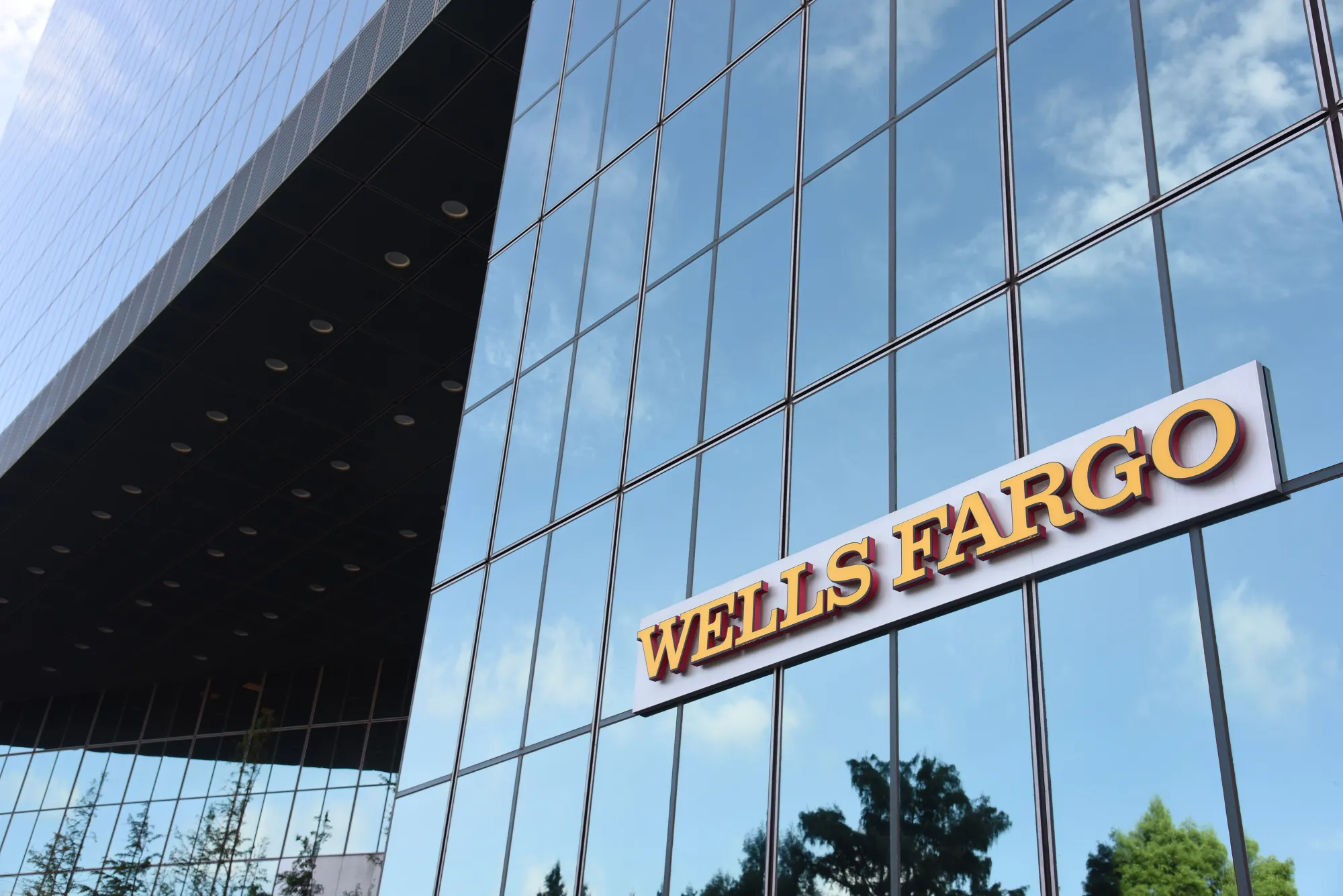
The financial services industry is undergoing a fundamental geographic transformation as major Wall Street firms collectively invest billions in Texas operations. Goldman Sachs is constructing a $500 million, 800,000-square-foot Dallas campus scheduled for 2028 completion, housing over 5,000 employees [1][2]. JPMorgan Chase now employs 31,000 workers in Texas (surpassing its 24,000 NYC workforce), with 18,000 concentrated in Dallas-Fort Worth [1][3]. Wells Fargo recently opened a new 22-acre campus with two 10-story buildings accommodating 4,500 workers, while Bank of America is constructing a 30-story Dallas tower expected in 2027 [1].
The migration extends beyond traditional banking to include critical trading infrastructure. The New York Stock Exchange has relocated its electronic exchange to Dallas from Chicago, while Nasdaq plans a regional headquarters in the city [2]. The emerging Texas Stock Exchange has attracted investments from Citadel Securities and BlackRock Inc. [4], further solidifying Texas’s position as a major financial hub.
The geographic shift in financial services represents a fundamental restructuring driven by technological enablement, economic incentives, and changing workforce preferences. Major firms are investing billions in Texas infrastructure, with JPMorgan Chase’s Texas workforce now exceeding its NYC presence by 7,000 employees [3]. While New York will likely remain a crucial financial center, the emergence of Texas as a major hub signals a more distributed future for the industry, with significant implications for employment patterns, tax revenues, and competitive dynamics across both regions [1][3][6].
Insights are generated using AI models and historical data for informational purposes only. They do not constitute investment advice or recommendations. Past performance is not indicative of future results.
About us: Ginlix AI is the AI Investment Copilot powered by real data, bridging advanced AI with professional financial databases to provide verifiable, truth-based answers. Please use the chat box below to ask any financial question.