
Analysis of Long-Term Profitable Trading: Myth or Reality?
Unlock More Features
Login to access AI-powered analysis, deep research reports and more advanced features
About us: Ginlix AI is the AI Investment Copilot powered by real data, bridging advanced AI with professional financial databases to provide verifiable, truth-based answers. Please use the chat box below to ask any financial question.
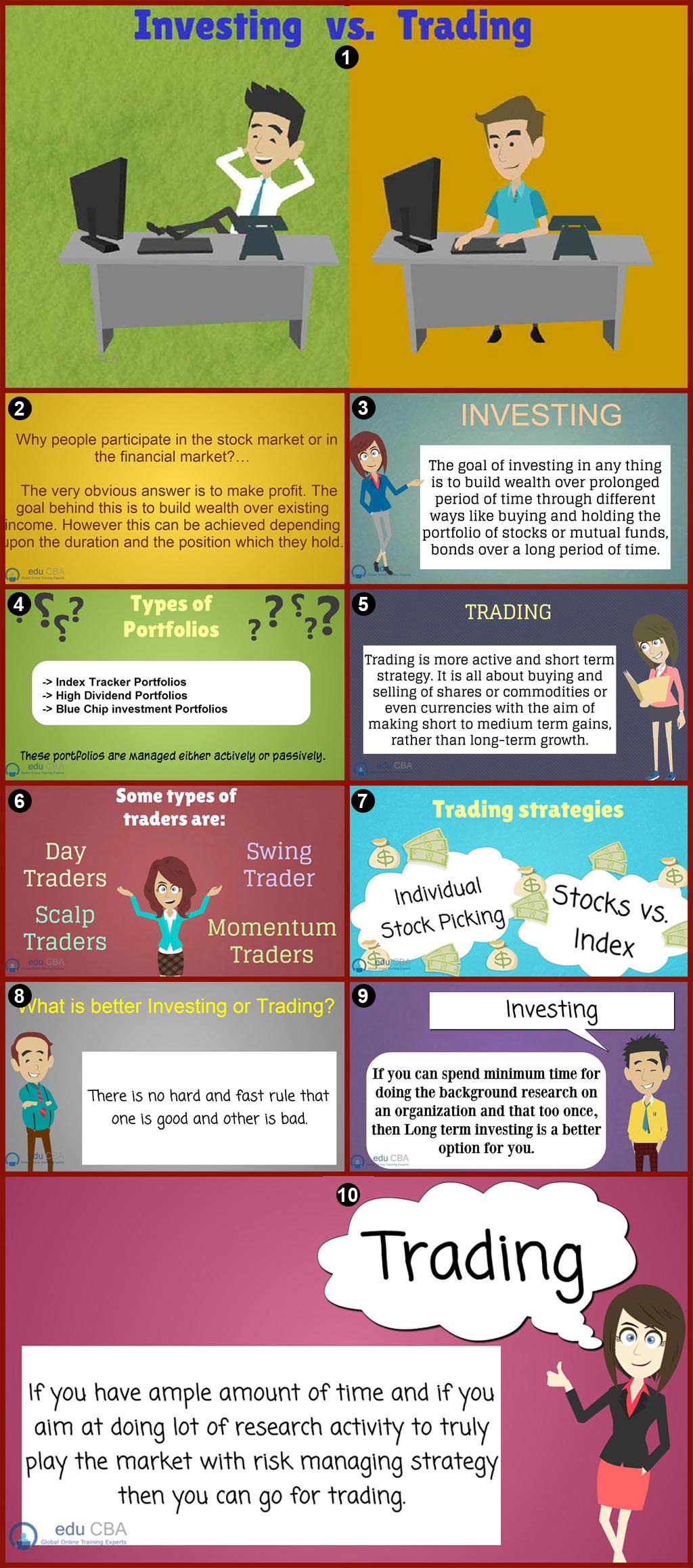
This analysis synthesizes data from a Reddit discussion [1] and academic/industry sources to evaluate long-term profitable trading. Key findings include extremely low success rates: only 1% of day traders maintain consistent profitability over 5+ years [2], while prop shop data shows just 0.1% of traders secure live accounts with consistent payouts [1]. The critical distinction between trading and investing (defined by Investopedia as short-term vs long-term approaches [6]) explains divergent success rates: long-term investing has a 73% success rate for holdings over 1 year [2], versus 1% for trading. Anecdotal evidence from Reddit users highlights the years of practice required to achieve consistency—one user took 4 years to be profitable for 7 months [1], aligning with prop firm data that attributes failures to poor risk management (oversizing, overtrading) rather than strategy flaws [3].
- Definition Clarity: Confusion between trading and investing leads to misinterpretation of success rates; long-term investing is far more accessible for most individuals [6].
- Discipline Over Strategy: Prop firm failures often stem from risk management gaps, not strategy ineffectiveness [3].
- Time Frame Impact: Success rates improve drastically with longer holding periods, emphasizing the importance of time horizon in profitability [2].
- Risks for Traders: High failure rates (80-95% range [2,4]) and years of required practice pose significant barriers to long-term trading success.
- Opportunities for Investors: Long-term investing offers a higher probability of success (73% [2]) for those with a patient, disciplined approach.
Long-term profitable trading is rare, with 1% of day traders achieving consistency over 5+ years [2]. The 99% failure rate claim is common but varies (80-95%) based on definitions [2,4]. Distinguishing between trading and investing is critical for setting realistic expectations. Discipline and risk management are key to any profitable approach, while long-term investing remains a more accessible path for most.
Insights are generated using AI models and historical data for informational purposes only. They do not constitute investment advice or recommendations. Past performance is not indicative of future results.
About us: Ginlix AI is the AI Investment Copilot powered by real data, bridging advanced AI with professional financial databases to provide verifiable, truth-based answers. Please use the chat box below to ask any financial question.