
Analysis of Reddit Trading Strategy Discussion: Personalization, Behavioral Finance, and Index Investing
Unlock More Features
Login to access AI-powered analysis, deep research reports and more advanced features
About us: Ginlix AI is the AI Investment Copilot powered by real data, bridging advanced AI with professional financial databases to provide verifiable, truth-based answers. Please use the chat box below to ask any financial question.
Related Stocks
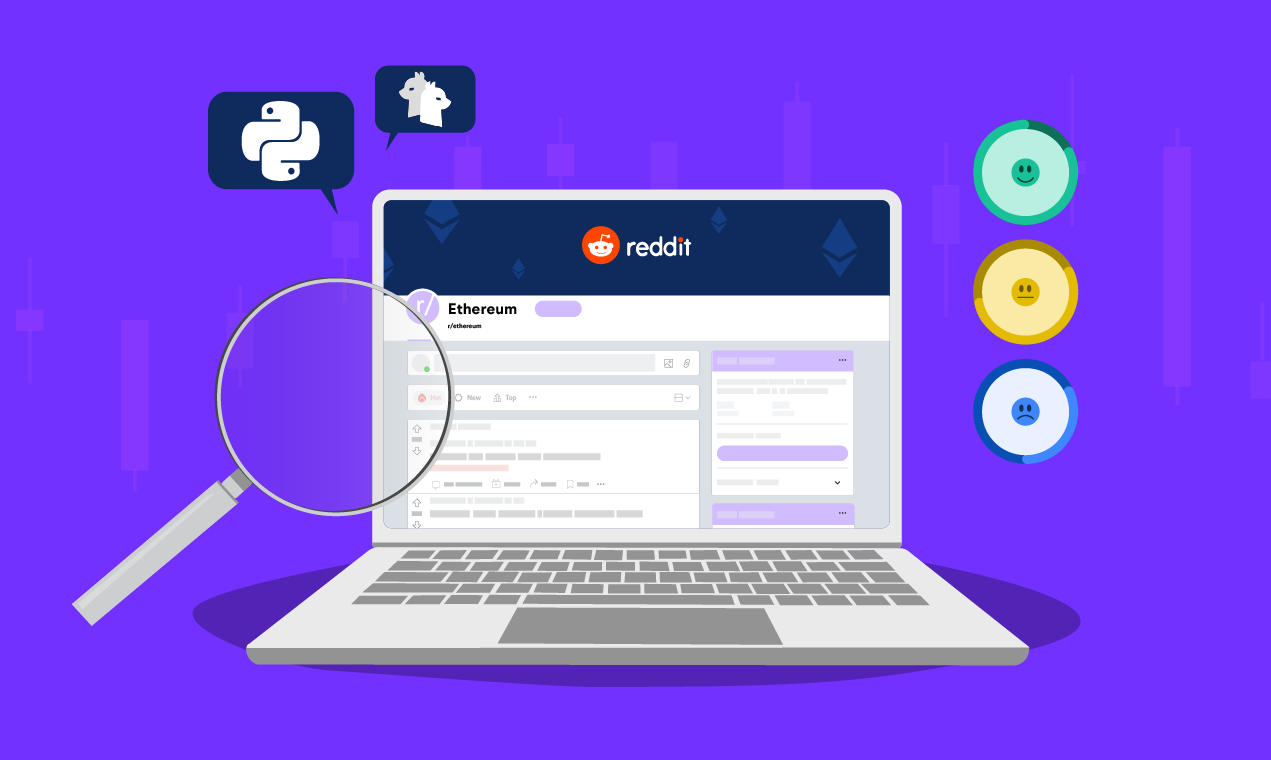
This analysis examines a Reddit thread where traders discuss how they developed their strategies. Key themes include personalized strategy development, the role of loss and reflection in learning, the negative impact of excitement-seeking behavior on trading outcomes, and the effectiveness of long-term index fund investing (specifically Vanguard S&P 500 ETF, VOO). The discussion emphasizes that successful strategies are tailored to individual personalities rather than copied, and that consistent, disciplined approaches (like index investing) yield better long-term results than active trading driven by emotions.
- Personalized strategy development: Traders build effective strategies by amalgamating concepts from others and adjusting them to their personality and style [0].
- Excitement-seeking behavior leads to losses: Trading for excitement (dopamine) increases the risk of losses due to emotional decision-making [0,5].
- Long-term index investing (VOO) is a proven wealth-building strategy: VOO has delivered consistent long-term returns, with a 10-year annualized return of ~14% and a since-inception return of 727.65% [1,2].
- Loss and reflection are essential for strategy improvement: Traders refine their strategies by learning from losses and reflecting on mistakes [0,4].
- Overtrading driven by boredom/excitement harms performance: Constantly seeking trades to avoid boredom leads to poor decision-making and unnecessary losses [5].
The Reddit thread highlights that the “perfect strategy” is one built for the individual, not copied [0]. This aligns with behavioral finance principles, which emphasize that trading success depends on aligning strategies with one’s risk tolerance and psychological profile [5]. Traders who adapt concepts to their personality are more likely to stick to their strategy during market volatility, reducing impulsive decisions [6].
The user’s comment about excitement leading to losses is supported by behavioral finance research. Loss aversion (the tendency to prefer avoiding losses over equivalent gains) makes traders hold losing positions longer than rational, while overtrading (driven by excitement) increases transaction costs and reduces returns [4,5]. Kahneman and Tversky’s prospect theory explains this asymmetric response to gains and losses, where losses feel twice as painful as gains feel pleasurable [6].
Vanguard’s data shows VOO has delivered exceptional long-term returns: 290.54% over 10 years and 727.65% since inception (2010) [1]. Morningstar’s analysis confirms VOO outperforms its category average across all timeframes (1-year:12.45% vs category 9.26%; 10-year:14.13% vs category12.65%) [2]. The Lazy Portfolio ETF site notes that VOO has a 10.49% compound annual return over 30 years, with 65% of months being positive [3]. These figures validate the Reddit user’s claim that VOO is a proven wealth-building strategy.
The thread emphasizes that loss and reflection are key to strategy development [0]. Investopedia notes that losses can be valuable learning experiences if approached rationally, helping traders identify flaws in their strategy and improve decision-making [4]. This aligns with the concept of “learning by doing” in behavioral finance, where experiential learning from losses leads to more disciplined trading [5].
- Discipline over excitement: Understanding that excitement-seeking leads to losses can help traders adopt more structured approaches (e.g., setting trading rules, avoiding overtrading) [5].
- Personalization: The need for tailored strategies means traders should focus on aligning their approach with their risk tolerance and psychological profile rather than chasing “perfect” strategies from others [0,6].
- Long-term investing: VOO’s performance data provides concrete evidence that index funds are a reliable option for wealth building, especially for traders who lack the time or expertise for active trading [1,2].
- Index fund adoption: The data supports including low-cost index funds like VOO in a diversified portfolio to capture market returns over time [3].
- Psychological awareness: Recognizing loss aversion and overtrading tendencies can help investors stay disciplined during market downturns [4].
- VOO Performance Highlights:
- 10-year annualized return: ~14% [2]
- Since inception (2010) return:727.65% [1]
- 30-year compound annual return:10.49% [3]
- 65% of months are positive [3]
- Behavioral Finance Key Concepts:
- Loss aversion: Losses feel twice as painful as gains [6]
- Overtrading: Driven by excitement/boredom, increases losses [5]
- Strategy Development Principles:
- Personalize strategies to your personality [0]
- Learn from losses and reflect on mistakes [0,4]
- Lack of quantitative data: No specific statistics on how many traders lose due to excitement-seeking behavior (only theoretical concepts from behavioral finance sources).
- Limited active strategy details: The thread mentions personalized strategies but does not provide specific examples of how traders built their active strategies (beyond general steps like observation and testing).
- No comparison data: No data on how active traders’ performance compares to index fund investors in the thread.
- Missing longitudinal data: No long-term tracking of traders who adopted personalized strategies to measure their success rate.
Insights are generated using AI models and historical data for informational purposes only. They do not constitute investment advice or recommendations. Past performance is not indicative of future results.
About us: Ginlix AI is the AI Investment Copilot powered by real data, bridging advanced AI with professional financial databases to provide verifiable, truth-based answers. Please use the chat box below to ask any financial question.