
Currency Devaluation Survival Guide: Egyptian Case Study Reveals Wealth Preservation Strategies
Unlock More Features
Login to access AI-powered analysis, deep research reports and more advanced features
About us: Ginlix AI is the AI Investment Copilot powered by real data, bridging advanced AI with professional financial databases to provide verifiable, truth-based answers. Please use the chat box below to ask any financial question.
The Egyptian investor’s firsthand account provides practical insights from surviving multiple currency crises:
- Wealth Destruction: The EGP experienced four major devaluations from 2016-2024, with the currency losing approximately 411% of its value against the USD[1]
- Successful Strategies: The investor avoided cash hoarding and successfully allocated to:
- Fixed-payment USD-denominated real estate
- Physical gold and precious metals
- Stable foreign currency reserves
- Regional service business generating foreign currency income
- USD Concerns: The investor now applies similar caution to USD holdings, suggesting diversification into other reserve currencies, precious metals, income-generating property, debt reduction, and equities[2]
Community commentary revealed additional perspectives:
- Bitcoin/crypto mentioned as alternative cash hedge (~10% allocation suggested by some users)
- Real estate risks highlighted, with one user noting potential 70% losses and extended recovery periods
- Commodity futures suggested for diversification uncorrelated to tech sector volatility
- Skepticism expressed about Bitcoin’s original value proposition due to government co-option
Historical analysis of emerging market currency crises provides quantitative validation:
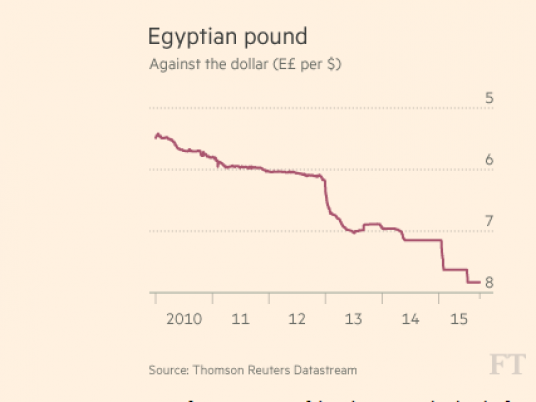
- EGP Devaluation Timeline:
- November 2016: 48% drop (8.8 to ~13 EGP/USD)
- March 2022: 16% drop (15.7 to 18.2 EGP/USD)
- October 2022: 67% drop (~18 to 30 EGP/USD)
- March 2024: Devaluation to over 50 EGP/USD[1]
- Gold Performance: Precious metals delivered exceptional returns during currency crises - 121.5% in Turkey and 109.1% in Argentina in 2024 alone[3]
- Central Bank Behavior: 76% of central banks expect to increase gold reserves over the next five years, indicating institutional confidence in precious metals as crisis protection[4]
- Asset Class Effectiveness: Historical data shows gold as the most reliable wealth preservation tool, followed by foreign currency diversification and real assets. Equities demonstrate mixed performance during severe liquidity crunches[3]
The convergence of Reddit experiential insights and historical research reveals several critical investment implications:
- Precious Metals (Primary Hedge): 10-20% portfolio allocation recommended
- Foreign Currency Diversification: Multiple reserve currencies to mitigate single-currency risk
- Income-Generating Real Assets: Particularly with foreign currency-denominated payments
- Selective Equities: Focus on companies with foreign currency revenue streams
- Precious Metals Entry Point: Current gold prices may represent strategic entry before potential currency instability
- Foreign Currency Diversification: Opportunities in non-USD reserve currencies (EUR, JPY, CHF, CNY)
- International Real Estate: Properties with foreign currency rental income streams
- Capital Controls: Foreign currency holdings vulnerable to government restrictions during severe crises[3]
- Real Estate Illiquidity: Property values can decline 70%+ and remain depressed for extended periods
- Crypto Volatility: While mentioned as potential hedge, cryptocurrencies face regulatory uncertainty and adoption challenges
- Debt Reduction: Fixed-rate debt becomes more valuable during currency debasement
- Geographic Diversification: Following capital to economically stable regions (US, potentially China, select emerging markets)
- Business Income: Foreign currency-generating businesses provide natural currency hedge
The Egyptian experience serves as a real-world stress test of wealth preservation strategies, offering valuable lessons for investors concerned about potential currency debasement in both emerging and developed markets.
Insights are generated using AI models and historical data for informational purposes only. They do not constitute investment advice or recommendations. Past performance is not indicative of future results.
About us: Ginlix AI is the AI Investment Copilot powered by real data, bridging advanced AI with professional financial databases to provide verifiable, truth-based answers. Please use the chat box below to ask any financial question.