
Analysis Report: Goldman Sachs' Waldron on Tariff Margin Impact (2025-11-22)
Unlock More Features
Login to access AI-powered analysis, deep research reports and more advanced features
About us: Ginlix AI is the AI Investment Copilot powered by real data, bridging advanced AI with professional financial databases to provide verifiable, truth-based answers. Please use the chat box below to ask any financial question.
Related Stocks
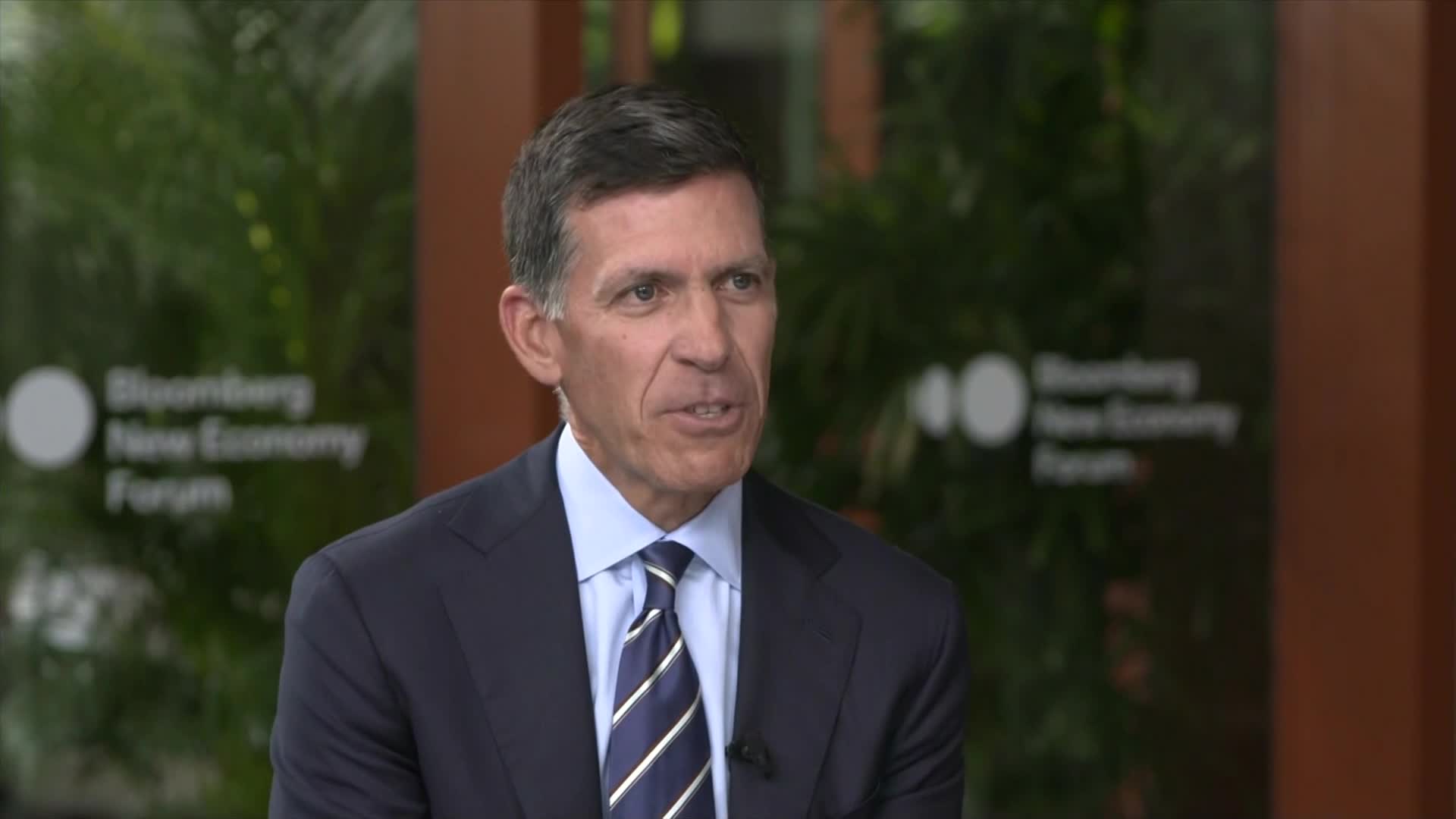
On November 22, 2025, at the Bloomberg New Economy Forum in Singapore, Goldman Sachs President and COO John Waldron stated that tariffs are being absorbed in the value chain via company margins rather than fully passed on to consumers. The comment was reported in a YouTube short [original event URL: https://www.youtube.com/shorts/_LFDOs9WpaU] and referenced in Bloomberg’s live forum coverage [1].
- Goldman Sachs (GS):Minimal direct impact—GS stock closed at $774.03 on November 22, 2025, up just 0.04% from the previous day [2]. This suggests the comment was viewed as a macroeconomic observation rather than GS-specific news.
- Sector Performance:Financial Services (GS’s sector) rose 0.78% on November 22, while Consumer Cyclical (a sector heavily exposed to tariffs) gained 1.37% [3]. However, individual companies like Williams-Sonoma (WSM) saw stock declines (3.39% on November 19) due to explicit tariff margin concerns [6].
Waldron’s comment aligns with real-world examples: Williams-Sonoma CEO Laura Alber noted tariffs will hit Q4 margins more than Q3, as “a bigger percentage of our inventory is now tariffed as the cost rolls through the balance sheet” [6]. This confirms that tariff costs are compressing margins for import-reliant companies, as Waldron described.
-
Margin Impact Metrics:
- Williams-Sonoma expects Q4 tariff impacts to exceed Q3 levels due to inventory roll-through [6].
- The company is mitigating via vendor renegotiations, domestic manufacturing expansion (e.g., upholstered furniture in Mississippi/North Carolina), and targeted price increases [6].
-
Stock Price Movements:
- GS: +0.04% (November 22, 2025) [2].
- WSM: -3.39% (November 19, 2025) post-earnings, driven by tariff margin concerns [6].
-
Sector Trends:
- Consumer Cyclical (WSM’s sector) was up 1.37% on November 22, but this masks company-specific margin risks [3].
- Broader Margin Exposure:We lack data on how many other companies (beyond WSM) are reporting similar tariff-driven margin compression.
- GS’s Direct Exposure:No information on GS’s own exposure to tariff-related risks (e.g., through its investment banking or asset management clients).
- Tariff Policy Clarity:The event did not mention future tariff policy changes, which are critical for long-term planning.
- Consumer Benefit:Waldron’s comment suggests consumers may avoid full tariff pass-through (lower inflation risk).
- Company Risk:Margin compression could lead to earnings misses in Q4 for import-reliant sectors (consumer cyclical, manufacturing).
- Margin Compression:Companies with high imported inventory (like WSM) face material margin risks in Q4 2025 [6]. Users should be aware that this could lead to earnings downgrades for consumer cyclical and manufacturing stocks.
- Mitigation Challenges:Vendor renegotiations and domestic manufacturing expansion take time—companies may struggle to offset tariff costs in the short term.
- Q4 Earnings Reports:Focus on margin trends in consumer cyclical, manufacturing, and retail sectors.
- Tariff Policy Updates:Any changes to tariff rates or product coverage will impact margin forecasts.
- Mitigation Strategy Success:Track how effectively companies are reducing import reliance (e.g., domestic manufacturing growth) or passing costs to consumers.
Insights are generated using AI models and historical data for informational purposes only. They do not constitute investment advice or recommendations. Past performance is not indicative of future results.
About us: Ginlix AI is the AI Investment Copilot powered by real data, bridging advanced AI with professional financial databases to provide verifiable, truth-based answers. Please use the chat box below to ask any financial question.