
CFPB Dismantling Creates Consumer Protection Gap as Financial Stocks Rise
Unlock More Features
Login to access AI-powered analysis, deep research reports and more advanced features
About us: Ginlix AI is the AI Investment Copilot powered by real data, bridging advanced AI with professional financial databases to provide verifiable, truth-based answers. Please use the chat box below to ask any financial question.
Related Stocks
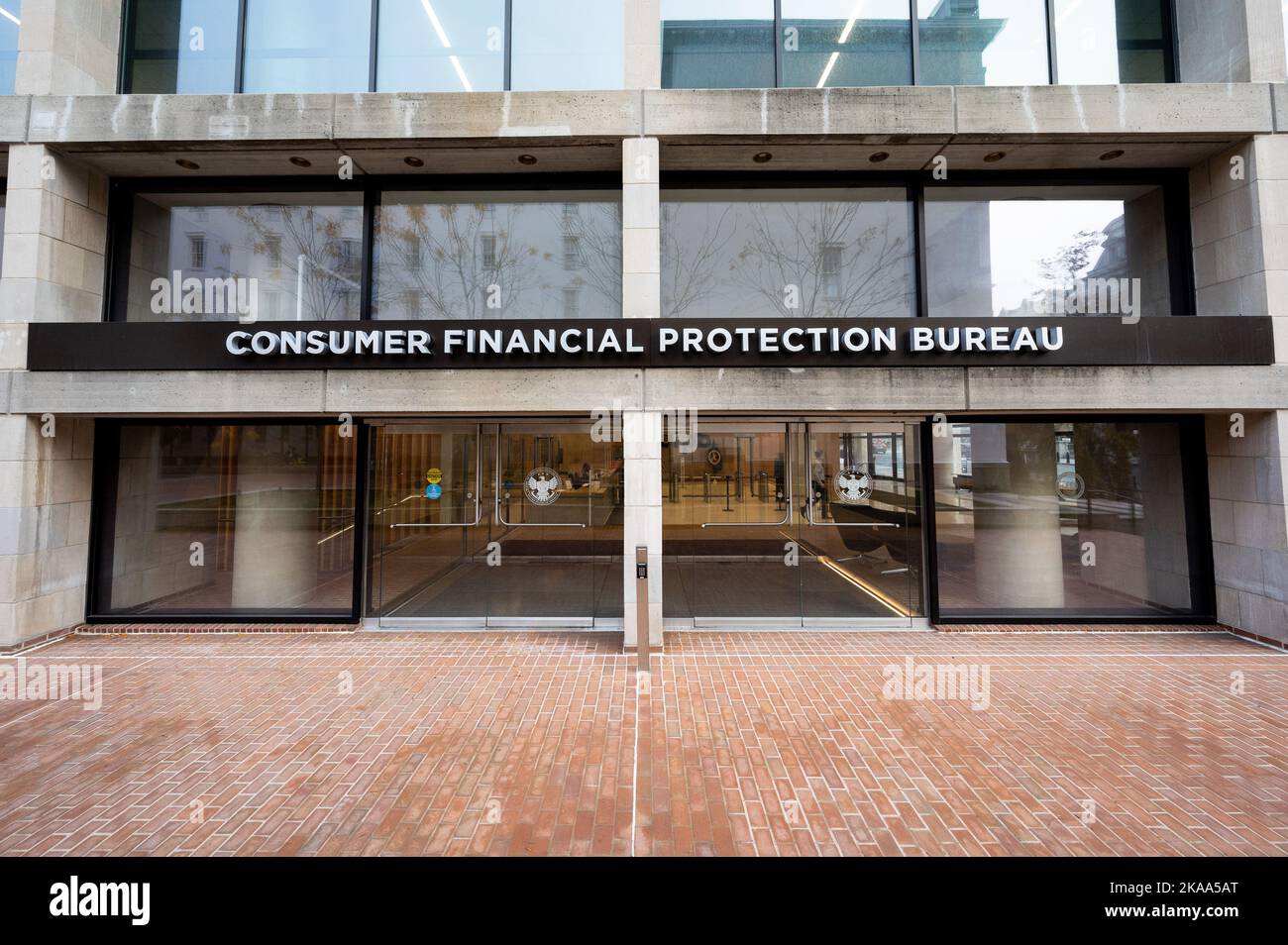
This analysis is based on the Forbes report [1] published on November 3, 2025, detailing the Trump administration’s systematic dismantling of the Consumer Financial Protection Bureau (CFPB).
The Trump administration has executed a comprehensive rollback of consumer financial protections, with Acting CFPB Director Russell Vought announcing plans to shut down the entire agency within 2-3 months [1]. This regulatory dismantling has already reversed 22 CFPB enforcement actions, preventing at least $120 million in consumer relief payments, with another $240 million potentially affected [1]. The CFPB’s supervisory workforce of nearly 500 examiners has been largely idle since February 2025, creating significant oversight gaps across the financial services sector [1].
Financial markets responded positively to the reduced regulatory burden. The Financial Services sector gained 1.38% on November 3, 2025 [0]. Major banks showed particular strength: JPMorgan Chase (+0.54% to $311.12), Bank of America (+0.79% to $53.45), and Wells Fargo (+1.14% to $86.97) all posted gains [0]. Digital payment company PayPal also rose (+1.97% to $69.27) [0], while credit bureau Equifax showed slight weakness (-0.19% to $211.10) [0].
The regulatory rollback creates specific beneficiaries across the financial ecosystem. Major banks gained from the dismissal of a significant lawsuit regarding Zelle fraud prevention [1]. Credit bureaus (Equifax, Experian, TransUnion) now face lighter oversight after previous CFPB fines for credit report errors [1]. Non-bank financial institutions and fintech companies not regulated by other federal agencies also benefit from reduced compliance pressure [1].
The timing of this regulatory dismantling is particularly concerning given current consumer financial stress indicators. Credit card and auto loan delinquencies have risen to 12-year highs [1]. Subprime auto loan defaults reached 10.3% in September 2025, approaching the Financial Crisis-era peak of 10.5% [1]. Student loan delinquencies have surged above 20-year highs following the expiration of pandemic relief programs [1].
The CFPB’s enforcement history demonstrates the agency’s role in protecting consumers from systematic abuses. Notable cases include Toyota Motor Credit’s $48 million consumer restitution order for lying about mandatory auto insurance products and Navy Federal Credit Union’s $80 million overdraft fee restitution, both now terminated [1]. These reversals eliminate crucial deterrents against predatory practices.
The regulatory void creates specific high-risk areas for consumers. Auto lending, particularly subprime lenders targeting vulnerable populations, faces reduced oversight [1]. Credit reporting accuracy, already problematic with previous CFPB enforcement actions against major bureaus, may deteriorate further [1]. Digital payment platforms and student loan servicers also face reduced supervision [1].
The analysis reveals several risk factors that warrant attention. The dismantling of consumer financial protections occurs during a period of significant economic stress for households. Historical patterns suggest that reduced regulatory oversight typically leads to increased predatory practices targeting the most financially vulnerable populations [1]. The combination of rising delinquencies and reduced oversight creates a perfect storm for consumer financial harm.
While financial services stocks benefited from reduced regulatory compliance costs [0], this may represent short-term gains with longer-term risks. Companies taking advantage of the regulatory void may face increased consumer litigation, reputational damage, and potential future regulatory reversals under different administrations [1].
Decision-makers should track several key indicators: consumer complaint data and resolution effectiveness from the CFPB database, state attorneys general and financial regulators’ enforcement activities to fill the regulatory void, correlations between reduced oversight and increased consumer financial distress, and industry behavioral changes in lending practices and fee structures [1].
The CFPB dismantling represents a fundamental shift in consumer financial protection, with immediate market reactions favoring financial institutions [0]. The agency’s supervisory workforce of nearly 500 examiners has been largely idle, with examinations apparently ceased since February 2025 [1]. Auto lender supervision could be reduced from 63 companies to just 5 [1]. State regulators are attempting to fill the void, but their effectiveness and resources remain uncertain [1]. The $120 million in prevented consumer relief and $240 million in potentially affected relief payments represent just the beginning of potential consumer harm as the regulatory framework collapses [1].
Insights are generated using AI models and historical data for informational purposes only. They do not constitute investment advice or recommendations. Past performance is not indicative of future results.
About us: Ginlix AI is the AI Investment Copilot powered by real data, bridging advanced AI with professional financial databases to provide verifiable, truth-based answers. Please use the chat box below to ask any financial question.