
Fed Divisions and Trump's Rate Cut Expectations: Impact on Policy and Markets
Unlock More Features
Login to access AI-powered analysis, deep research reports and more advanced features
About us: Ginlix AI is the AI Investment Copilot powered by real data, bridging advanced AI with professional financial databases to provide verifiable, truth-based answers. Please use the chat box below to ask any financial question.
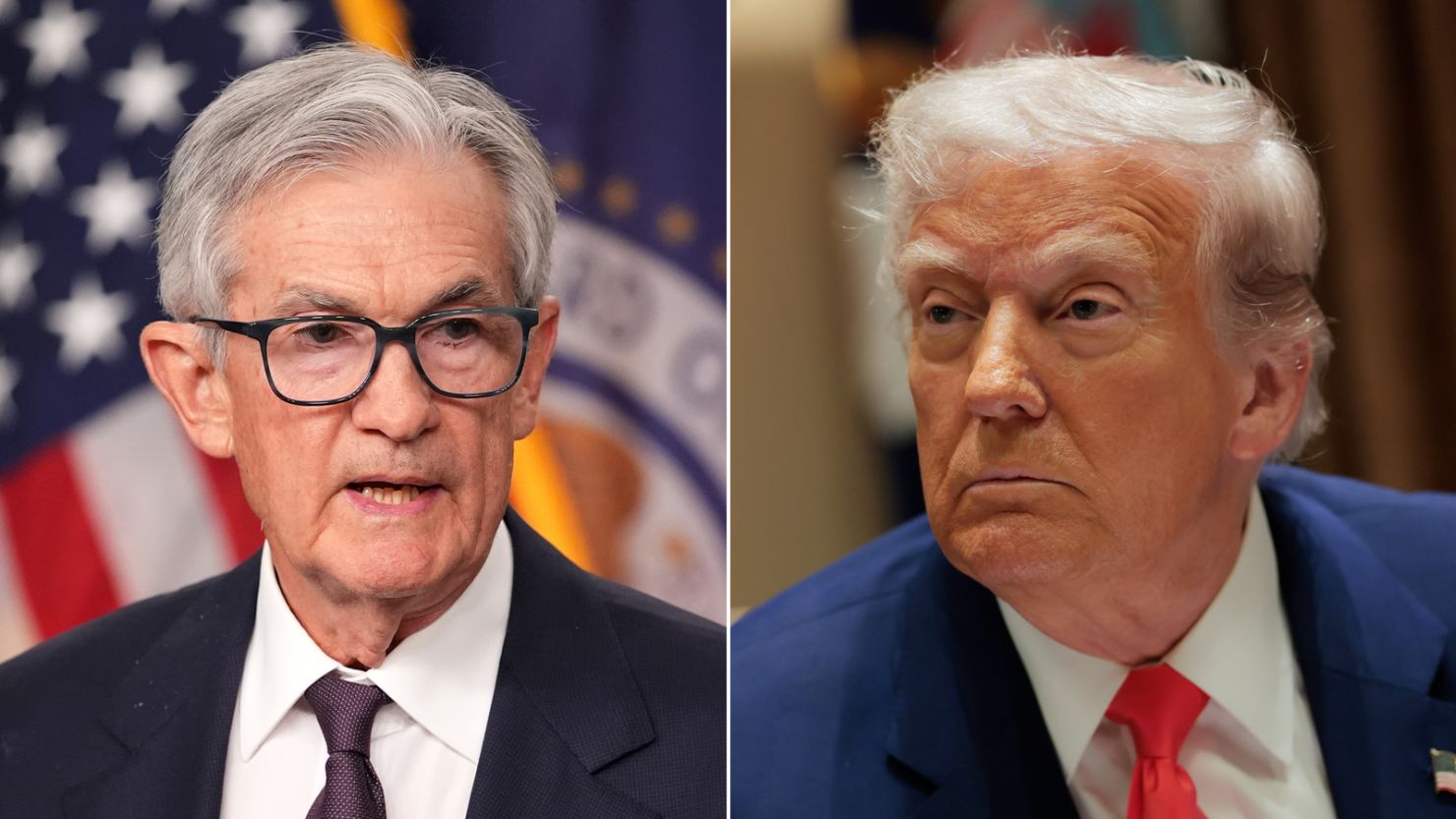
The event centers on a November 21, 2025, Wall Street Journal article highlighting two key dynamics: (1) U.S. President Donald Trump’s expectation of lower interest rates once he appoints a new Federal Reserve (Fed) chair in mid-May 2026, and (2) rising internal opposition within the Fed to a December 2025 rate cut. This division threatens decades of Fed policy consensus and reflects tensions between political pressure and central bank independence. Related context includes Trump’s public criticism of current Fed Chair Jerome Powell, attempts to reshape the Fed board, and a market shift from expecting a December cut to anticipating no change.
- Trump’s Expectations & Criticism: Trump anticipates lower rates under a new Fed chair and has renewed personal attacks on Powell (e.g., claiming he has “mental problems”) while pushing for immediate rate cuts ([2], [3]).
- Fed Divisions: Two Fed officials—Susan Collins (Boston Fed) and Raphael Bostic (Atlanta Fed)—explicitly oppose a December rate cut ([3], [4]). October meeting minutes show broader disagreement on the timing of future cuts ([1]).
- Market Shift: Investors have reversed expectations from 90% odds of a December cut to expecting the Fed to keep rates unchanged ([3]).
- Trump’s Fed Reshaping: Trump is attempting to remove Fed Governor Lisa Cook and has nominated a pro-rate-cut White House adviser to the Federal Open Market Committee (FOMC) ([2]).
- Powell’s Term: Powell’s term ends mid-May 2026, allowing Trump to appoint a replacement ([2]).
The opposition to a December cut stems from concerns about premature easing triggering inflation resurgence ([3]). Fed Chair Powell emphasized that a December cut is not a “foregone conclusion,” aligning with data-driven caution ([4]).
Trump’s aggressive tactics (personal attacks, board reshaping) challenge the Fed’s traditional independence ([2], [3]). The WSJ notes that internal opposition “shows the limits of a leadership change”—even with a new chair, policy shifts may not be as rapid as Trump expects, given entrenched divisions ([0], [3]).
Powell’s mid-May 2026 term end means Trump’s ability to influence policy immediately is limited. Current divisions indicate the Fed prioritizes economic data (e.g., inflation trends) over political pressure ([1], [4]).
The shift in Fed expectations has likely stabilized or slightly raised bond yields, while equity markets may have adjusted to reduced rate-cut optimism ([3]).
Trump’s attempts to reshape the Fed board risk eroding public trust in the central bank’s independence—a cornerstone of effective monetary policy ([2], [3]). The Fed’s resistance to political pressure may preserve its credibility but escalate political friction ([0], [2]).
Delaying rate cuts could anchor inflation expectations but may slow economic growth in the short term. Conversely, premature cuts (as Trump demands) risk reigniting inflation ([3], [4]).
- Fed Opponents to December Cut: Susan Collins (Boston Fed), Raphael Bostic (Atlanta Fed) ([3], [4]).
- Trump’s Fed Chair Shortlist: Kevin Hassett (White House adviser), Christopher Waller (Fed board member), Kevin Warsh (former Fed member) ([3]).
- Market Consensus Shift: From 90% expectation of December cut to no change ([3]).
- Nomura’s Forecast: No rate cut until March 2026 ([3]).
- Powell’s Term End: Mid-May 2026 ([2]).
- Exact number of Fed officials opposing a December cut (only two named publicly).
- Detailed inflation/economic data driving the Fed’s caution (e.g., recent CPI figures).
- Exact timeline for Trump’s Fed chair nomination (expected before year-end but no specific date).
- Full extent of internal Fed deliberations on rate policy (October minutes hint at disagreement but lack specifics).
- Potential economic scenarios if the Fed delays cuts vs. acceding to Trump’s demands.
All sources are Tier 1 (WSJ) or Tier 2 (Politico, CBS Austin, Yahoo Finance) credibility. Lower-tier sources were not used. Information gaps are explicitly noted to avoid overinterpretation.
Insights are generated using AI models and historical data for informational purposes only. They do not constitute investment advice or recommendations. Past performance is not indicative of future results.
About us: Ginlix AI is the AI Investment Copilot powered by real data, bridging advanced AI with professional financial databases to provide verifiable, truth-based answers. Please use the chat box below to ask any financial question.