
Celltrion's $478M U.S. Factory Expansion: Industry Impact & Competitive Dynamics
Unlock More Features
Login to access AI-powered analysis, deep research reports and more advanced features
About us: Ginlix AI is the AI Investment Copilot powered by real data, bridging advanced AI with professional financial databases to provide verifiable, truth-based answers. Please use the chat box below to ask any financial question.
Related Stocks
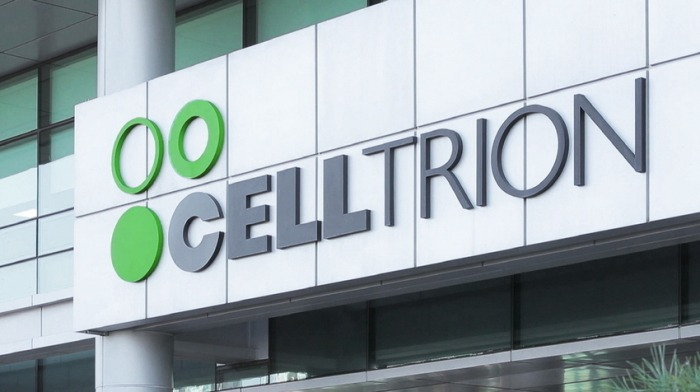
South Korean pharmaceutical company Celltrion announced on November 18, 2025 (EST) plans to invest up to $478 million (700 billion Korean won) to expand capacity at its U.S. factory. The investment is driven by two key factors: U.S. tariffs on imported pharmaceutical products and rising demand for biosimilars in the U.S. market [0]. Celltrion has a significant presence in the U.S., with a subsidiary established in 2018 (headquartered in New Jersey) and 10 biosimilar products approved by the FDA as of October 2025, including recent interchangeable denosumab biosimilars (STOBOCLO® and OSENVELT®) [1]. The U.S. had recently capped Section 232 tariffs on South Korean pharmaceutical products at a maximum of 15% as part of a bilateral trade deal finalized in November 2025 [2].
The investment reflects a broader trend in the biosimilars industry of global players localizing production to mitigate trade barriers and meet growing demand. The U.S. biosimilars market is experiencing strong growth: Alira Health reports that the top three biosimilar molecules (adalimumab, infliximab, bevacizumab) captured 45% of the market in 2024, up from 24% in 2020 [3]. Celltrion’s expansion will increase domestic production capacity for biosimilars, which could lead to more stable supply chains and reduced reliance on imported products. This, in turn, may drive down prices for payers and improve access for patients, as biosimilars are typically priced 15-30% lower than reference biologics [4]. For the industry, this investment signals that localization is becoming a critical strategy to navigate trade policies and competitive dynamics.
Celltrion’s expanded U.S. capacity will strengthen its position against key competitors like Amgen, Samsung Bioepis, and Pfizer in the biosimilars market. The company’s recent FDA approval of interchangeable denosumab biosimilars (which treat osteoporosis and bone metastases) gives it a competitive edge, as interchangeable biosimilars allow pharmacists to substitute without prescriber approval—driving higher adoption rates [1]. Local production will enable Celltrion to capture a larger share of the U.S. market for these high-demand molecules. Competitors may respond by expanding their own production capacity, forming strategic partnerships, or adjusting pricing strategies to maintain market share.
Key developments highlighted by this event include:
- Localization of Production: Global biosimilar players are increasingly investing in domestic capacity to avoid tariffs and supply chain disruptions.
- Interchangeability as a Growth Driver: FDA’s interchangeability designations are becoming a key differentiator for biosimilar products, as seen in Celltrion’s denosumab approvals [1].
- Rapid Market Growth: The U.S. biosimilars market is projected to continue its expansion, with IQVIA estimating significant savings to the healthcare system from biosimilar use ($8 billion in 2024 alone) [4].
- Patients: Expanded local production may lead to more stable supply and lower prices for biosimilars, improving access to affordable biologics.
- Payers: Higher competition from Celltrion’s expanded capacity could result in better pricing negotiations and cost savings (IQVIA projects continued savings from biosimilars) [4].
- Healthcare Providers: More interchangeable biosimilars (like Celltrion’s denosumab) provide additional options for substitution, enhancing patient care.
- Competitors: Must consider capacity expansions or strategic moves to compete with Celltrion’s increased U.S. presence.
- Suppliers: Increased production at Celltrion’s U.S. factory may create demand for local raw materials, logistics, and manufacturing services.
- Trade Policies: Tariffs on imported biosimilars are driving localization strategies (as seen in Celltrion’s investment) [0][2].
- Regulatory Environment: FDA’s interchangeability designations are critical for market adoption and competitive advantage [1].
- Market Demand: Growing need for affordable biologics as reference drugs lose patent exclusivity [3].
- Production Capacity: Ability to produce locally to meet demand and avoid supply chain risks [0].
- Competitive Dynamics: Number of players in each biosimilar segment and their pricing strategies influence market share [3].
Insights are generated using AI models and historical data for informational purposes only. They do not constitute investment advice or recommendations. Past performance is not indicative of future results.
About us: Ginlix AI is the AI Investment Copilot powered by real data, bridging advanced AI with professional financial databases to provide verifiable, truth-based answers. Please use the chat box below to ask any financial question.