
Analysis of 401k Diversification Options: S&P500 vs. Other Large-Cap Alternatives for 30-Year-Olds
Unlock More Features
Login to access AI-powered analysis, deep research reports and more advanced features
About us: Ginlix AI is the AI Investment Copilot powered by real data, bridging advanced AI with professional financial databases to provide verifiable, truth-based answers. Please use the chat box below to ask any financial question.
Related Stocks
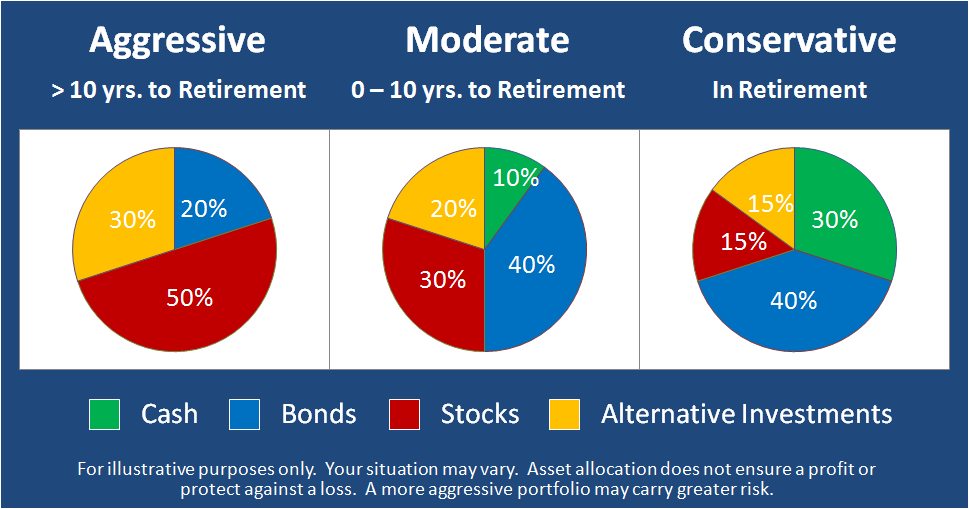
A 30-year-old investor with a 401k fully allocated to an S&P500 index fund (15% YTD gain) faces a decision between maintaining their current position or diversifying into other large-cap options. For their age, aggressive stock-heavy portfolios (80-90% stocks) are recommended due to a long retirement horizon [2][3]. The S&P500 has historical average returns of ~10% yearly [4] but is currently highly concentrated—with the “Magnificent Seven” tech stocks accounting for over 35% of the index and the top ~50 stocks dominating (a level not seen since 1965) [6][7]. This concentration introduces non-diversifiable risk, as a decline in these top stocks could disproportionately impact returns [7].
- Concentration vs. Growth: While the S&P500’s concentration has driven strong recent returns, it also increases vulnerability to sector-specific downturns [6][7]. For a 30-year-old, balancing growth with reduced concentration risk is critical for long-term stability.
- Alternative Large-Cap Options: Equal-weight S&P500 indices offer a way to reduce concentration while maintaining large-cap exposure—they have a 20-year track record of outperforming active funds [5]. Large-cap growth funds like JPMorgan OLGAX (16.8% 10-year average return) provide exposure to a broader set of growth stocks [8].
- Geographic Diversification: Adding international large-cap exposure (as per T. Rowe Price’s model: 60% US large-cap,25% developed international) can further diversify portfolios without sacrificing growth potential [9].
- Risks: Staying 100% S&P500 exposes the investor to higher volatility if the index’s top holdings decline [7]. While concentration alone does not predict crashes [7], it increases the impact of any downturn in those stocks.
- Opportunities: Diversifying into equal-weight indices or international large-cap can reduce concentration risk while potentially maintaining or exceeding S&P500 returns [5][8][9]. The investor’s long horizon allows them to capitalize on these diversified growth opportunities.
The investor’s current allocation aligns with age-appropriate aggressive strategies, but concentration risk in the S&P500 warrants consideration of diversification. Valid options include equal-weight S&P500 indices, large-cap growth funds, and international large-cap exposure. The decision should be based on the investor’s specific 401k plan offerings, risk tolerance, and long-term goals. This analysis provides objective context to support informed decision-making, and the investor should consult a financial advisor for personalized guidance.
Insights are generated using AI models and historical data for informational purposes only. They do not constitute investment advice or recommendations. Past performance is not indicative of future results.
About us: Ginlix AI is the AI Investment Copilot powered by real data, bridging advanced AI with professional financial databases to provide verifiable, truth-based answers. Please use the chat box below to ask any financial question.