
U.S. Energy Sector Growth Analysis: LNG Exports, Data Centers & Grid Modernization
Unlock More Features
Login to access AI-powered analysis, deep research reports and more advanced features
About us: Ginlix AI is the AI Investment Copilot powered by real data, bridging advanced AI with professional financial databases to provide verifiable, truth-based answers. Please use the chat box below to ask any financial question.
Related Stocks
On November 17, 2025, Seeking Alpha published an article titled “Powering Up: Energy Reality On The Ground And Investment” highlighting three key drivers of U.S. energy production and demand growth: liquefied natural gas (LNG) exports, data center expansion, and grid modernization. The article notes Texas and shale basins as critical growth supports and states that major utilities plan over $1 trillion in grid upgrades through 2029. It also references takeaways from a November 13 Federal Reserve Bank energy conference in Denver covering the Dallas and Kansas City districts [0].
On November 17, 2025, the Energy sector (+3.12%) and Utilities sector (+2.15%) were the top performers in the U.S. stock market, reflecting investor optimism about the trends highlighted in the article [1].
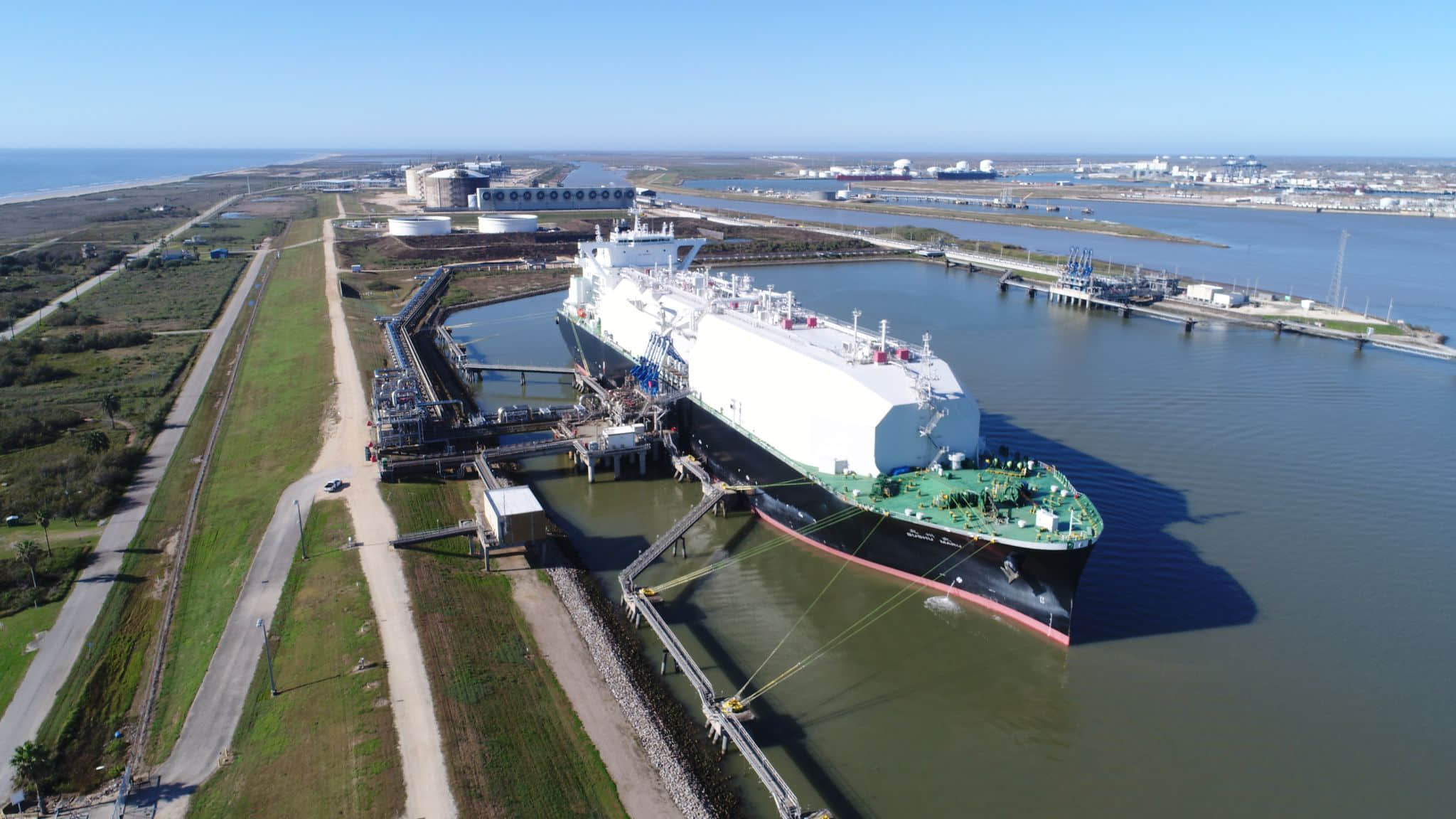
The U.S. became the first country to export 10 million tonnes of LNG in a single month (October 2025), with year-to-date exports up 22% [2]. The Energy Information Administration (EIA) projects U.S. LNG export capacity could more than double by 2029, adding an estimated 13.9 billion cubic feet per day (Bcf/d) [2].
BloombergNEF forecasts U.S. data center power demand will double by 2035 (from 35 GW to 78 GW). S&P Global estimates U.S. data centers will require 22% more grid-based power by the end of 2025 [3]. This demand is driving up electricity costs: in the PJM market, data centers accounted for $9.3 billion of the 2025-26 capacity bill, leading to higher residential bills [3].
In Q2 2025, 48 states took grid modernization actions, including energy storage procurement mandates and microgrid deployment rules [4]. Utilities increased capital expenditures by 12.6% in 2024 (S&P Global, January 2025). The 2025-30 period presents $1.4 trillion in energy infrastructure opportunities, including grid modernization [4].
- Major Utilities: Firms like NextEra Energy (NEE), Duke Energy (DUK), and Southern Company (SO) (mentioned in the article) are leading grid modernization investments, potentially gaining market share through improved reliability and renewable integration [0].
- Midstream Firms: Enterprise Products Partners (EPD) and Energy Transfer (ET) benefit from expanding LNG export infrastructure [0].
- Data Center Operators: Face increasing competition for grid capacity, leading to higher energy costs and location constraints [3].
- Grid Tech Entrants: Companies offering AI-driven grid management, storage solutions, and microgrid technologies may find opportunities as utilities seek modernization tools [4].
- Regulatory Trends: States are mandating energy storage procurement and implementing microgrid deployment rules [4].
- AI Integration: Utilities are using AI for grid management and predictive maintenance (Deloitte 2026 Outlook) [4].
- Workforce Challenges: 76% of employers in the grid modernization sector report difficulty filling roles, particularly for AI and battery storage expertise [4].
- Climate Resilience: Post Texas winter storm (2021) and California wildfires, utilities are accelerating investments in grid hardening and redundancy [4].
- Utilities: Need to balance capital investments in grid upgrades with ratepayer affordability and regulatory compliance [4].
- Investors: Energy and Utilities sectors show strong performance, but long-term returns depend on successful execution of modernization projects and regulatory approval for rate increases [1, 0].
- Consumers: Potential for higher electricity bills due to data center demand and grid modernization costs [3].
- Policy Makers: Focus on energy storage mandates, microgrid rules, and workforce development to support grid modernization [4].
- Workforce: Training programs for AI, battery storage, and smart grid technologies are critical to meet demand [4].
- LNG Export Growth: Capacity expansions and global demand will drive midstream and energy production sectors [2].
- Data Center Demand: Increasing power needs will impact utilities, grid operators, and consumers [3].
- Grid Modernization Investments: Utilities must allocate capital to upgrades while managing regulatory and ratepayer expectations [4].
- Regulatory Environment: State-level mandates for storage and microgrids will shape investment decisions [4].
- Workforce Availability: Shortages could delay modernization projects and increase costs [4].
- Climate Resilience: Extreme weather events require ongoing investments in grid hardening [4].
Insights are generated using AI models and historical data for informational purposes only. They do not constitute investment advice or recommendations. Past performance is not indicative of future results.
About us: Ginlix AI is the AI Investment Copilot powered by real data, bridging advanced AI with professional financial databases to provide verifiable, truth-based answers. Please use the chat box below to ask any financial question.