
White House Tariff Rollback Analysis: Food Product Exemptions and Market Implications
Unlock More Features
Login to access AI-powered analysis, deep research reports and more advanced features
About us: Ginlix AI is the AI Investment Copilot powered by real data, bridging advanced AI with professional financial databases to provide verifiable, truth-based answers. Please use the chat box below to ask any financial question.
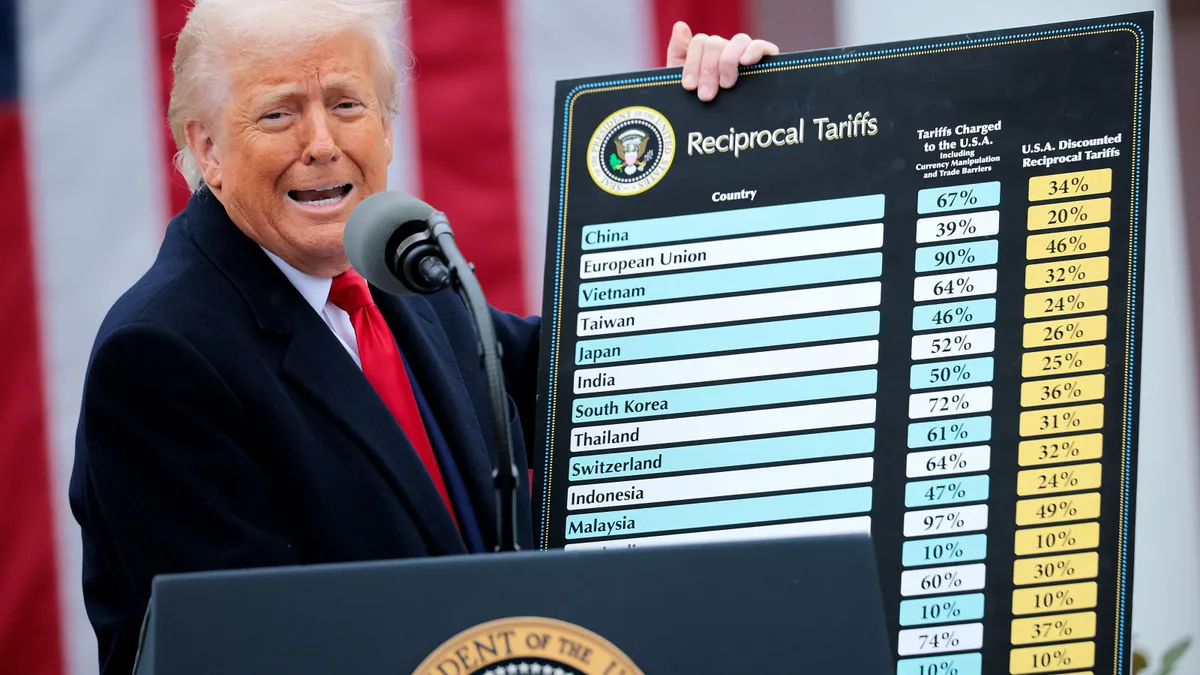
This analysis is based on the CNBC report [4] published on November 14, 2025, covering the White House announcement of tariff rollbacks on food products. The Trump administration issued an executive order exempting dozens of food items including coffee, beef, bananas, tea, tropical fruits, fruit juices, cocoa, spices, oranges, and tomatoes from reciprocal tariff policies [1][3][4]. The policy took effect retroactively at midnight November 13, 2025, representing the most significant reversal of the administration’s trade policy to date [4].
The tariff rollback directly addresses mounting political pressure over rising grocery prices and consumer affordability concerns [4]. This marks a substantial departure from previous administration statements that tariffs would not increase consumer costs, creating potential credibility challenges for future trade policy announcements [3][4]. The retroactive implementation date (midnight November 13) may introduce logistical complications for importers and customs processing systems [1].
The exemptions create a bifurcated impact across industries:
- Food importers and distributors facing immediate cost reductions
- Consumers potentially benefiting from lower grocery prices
- Latin American agricultural exporters gaining improved market access
- EU and UK spirits industry excluded from exemptions, facing competitive disadvantages
- U.S. agricultural producers competing with now-cheaper imported alternatives
- Other manufacturing sectors not included in the food product exemptions [4]
The timing suggests political motivation rather than purely economic considerations, following poor Republican performance in recent elections and polling showing two-thirds of voters believe Trump hasn’t fulfilled inflation promises [2][4]. This policy shift may indicate increased sensitivity to consumer price pressures and could precedent further tariff rollbacks in other politically sensitive sectors.
The abrupt reversal contradicts the administration’s previous stance on tariff impacts, potentially undermining credibility for future trade policy announcements [3][4]. This inconsistency may create uncertainty for businesses planning long-term supply chain strategies and investment decisions.
While intended to reduce costs, the retroactive implementation may create short-term supply chain disruptions as importers and customs authorities adjust to the new exemption framework [1]. Companies will need to rapidly update compliance procedures and pricing models.
The effectiveness of tariff rollbacks in reducing consumer prices remains uncertain. Price transmission mechanisms may be delayed or incomplete, with benefits potentially captured by intermediaries rather than passed to consumers [4].
The White House tariff rollback on food products represents a significant policy shift with immediate market implications. The exemptions cover major agricultural categories including coffee, beef, bananas, tea, tropical fruits, fruit juices, cocoa, spices, oranges, and tomatoes [1][3][4]. The retroactive effective date of November 13, 2025, creates both opportunities for cost reduction and challenges for implementation logistics [1].
The policy appears politically motivated, responding to consumer price pressures and electoral concerns rather than purely economic considerations [2][4]. This suggests potential for further policy adjustments in other sectors facing similar political pressure.
Businesses should monitor price transmission effects, supply chain adaptations, and potential additional tariff rollbacks while assessing competitive implications of the selective exemption structure. The policy inconsistency with previous administration statements warrants careful consideration for long-term strategic planning [3][4].
Insights are generated using AI models and historical data for informational purposes only. They do not constitute investment advice or recommendations. Past performance is not indicative of future results.
About us: Ginlix AI is the AI Investment Copilot powered by real data, bridging advanced AI with professional financial databases to provide verifiable, truth-based answers. Please use the chat box below to ask any financial question.