
Korean Fried Chicken Short Disaster: $472K Loss from Jensen Huang's Viral Dinner
Unlock More Features
Login to access AI-powered analysis, deep research reports and more advanced features
About us: Ginlix AI is the AI Investment Copilot powered by real data, bridging advanced AI with professional financial databases to provide verifiable, truth-based answers. Please use the chat box below to ask any financial question.
Related Stocks
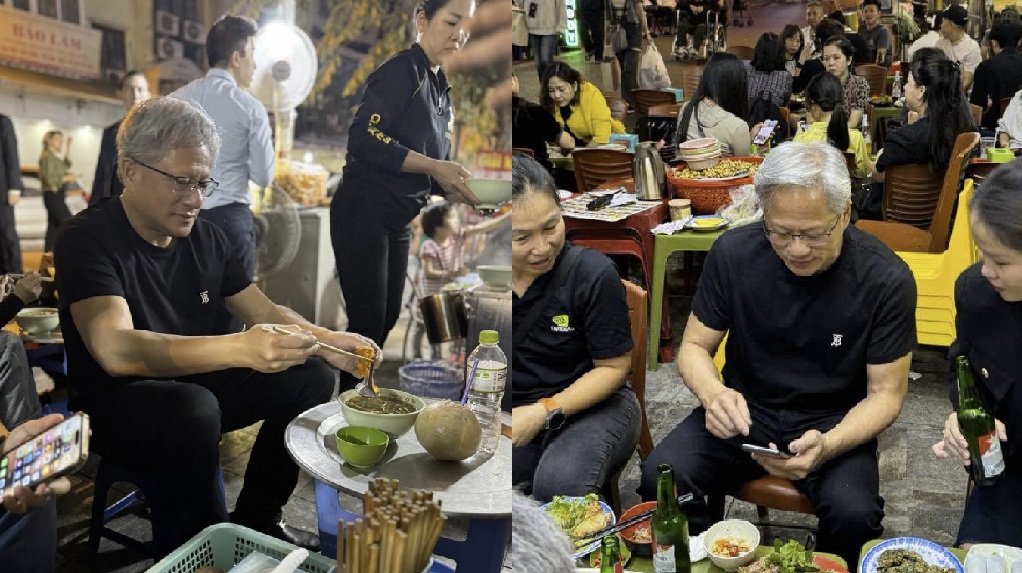
Reddit users on r/wallstreetbets and related investing forums have been discussing a dramatic loss scenario involving Korean fried chicken stocks. The original poster claims a $472,000 loss from shorting these stocks, triggered after Jensen Huang’s viral Korean fried chicken outing sent those stocks soaring 20-30% higher, resulting in a margin call1.
Key Reddit insights include:
- Multiple users confirm the Korean fried chicken stock surge did occur, with comments like “Jensen can pump anything”[1]
- South Korean users argue that chicken’s cultural significance and global K-boom made the short thesis fundamentally flawed[1]
- Users highlight Korea has the world’s highest per-capita fried chicken consumption and strong “chimaek” (chicken and beer) culture[1]
- Many question the post’s authenticity, noting similarities to the “ornamental gourd” meme format, while others mock the thesis as “Betting against Fried Chicken is always going to be a non-starter”[1]
The research confirms the core market event described in the Reddit post. In November 2024, Jensen Huang dined with Samsung Electronics Chairman Lee Jae-yong and Hyundai Motor Executive Chair Euisun Chung at Kkanbu Chicken restaurant in Seoul, creating what investors called the “Huang effect”[2][3][4].
Key market impacts:
- Kyochon F&B(the only publicly traded Korean fried chicken company on Korea Exchange) surged nearly 20%[4]
- Cherrybro Co.(poultry supplier) hit daily trading limits with 30% increase[4]
- Neuromeka(fried chicken robot maker) also saw significant gains[4]
- The event occurred during Nvidia’s $400 billion market cap increase over five days[3]
The viral dinner exemplified market irrationality during the AI bubble period, where celebrity influence overwhelmed fundamental analysis[2][4].
The Reddit post and research findings align on the core market event - Jensen Huang’s viral dinner did trigger significant Korean fried chicken stock surges. However, the $472,000 loss claim appears to be from an individual retail trader, while the actual market impact was broader and affected multiple companies.
The incident reveals several important market dynamics:
- Cultural significance matters: Korean users correctly identified that betting against fried chicken in Korea ignored fundamental cultural and consumption patterns[1]
- Celebrity influence: High-profile endorsements can create short-term momentum that overwhelms fundamental analysis[2][4]
- Market irrationality: The event occurred during heightened AI bubble speculation, contributing to exaggerated market reactions[2]
- Celebrity-driven stock surges can create sharp reversals when momentum fades
- Shorting culturally significant consumer brands carries inherent risks
- Margin calls can force liquidation at unfavorable prices during volatile periods
- Identifying culturally significant brands before celebrity endorsements can provide upside
- Understanding local consumption patterns (like Korea’s chimaek culture) can inform better investment theses
- Volatility around celebrity events may create trading opportunities for risk-tolerant investors
Insights are generated using AI models and historical data for informational purposes only. They do not constitute investment advice or recommendations. Past performance is not indicative of future results.
About us: Ginlix AI is the AI Investment Copilot powered by real data, bridging advanced AI with professional financial databases to provide verifiable, truth-based answers. Please use the chat box below to ask any financial question.